
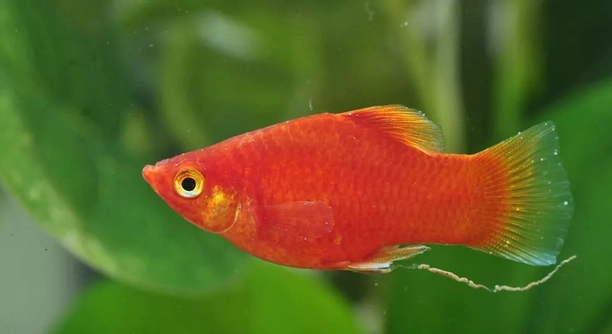
Many people enjoy keeping platys in their home aquariums because of their bright colors and peaceful nature. Sometimes, platys may seem to ignore other fish in the tank. This behavior can be puzzling for new or experienced fishkeepers alike.
Platies may ignore other fish due to factors like stress, tank size, water quality, or individual temperament. Social dynamics and compatibility with tank mates also play important roles in their interactions. Environmental and health conditions often influence their behavior.
Understanding why your platy acts this way can help improve its well-being and harmony in the tank. Paying attention to the environment and fish behavior will provide better insight into this common issue.
Understanding Platy Social Behavior
Platys are generally social fish that prefer living in groups. However, their behavior toward other fish depends on their personality and the tank environment. Some platys are naturally shy or prefer to keep to themselves, while others are more outgoing. If the tank is too small or crowded, platys may feel stressed and withdraw from interaction. Water conditions, such as temperature and cleanliness, also affect how active and social they are. A platy in good health is more likely to engage with its tank mates, while a stressed or sick platy may isolate itself. Understanding these social behaviors can help create a balanced aquarium where platys feel comfortable.
Stress and tank size are common reasons for a platy ignoring others.
Creating a stable environment with appropriate space and clean water encourages social interaction. Regular observation helps spot signs of stress early, allowing quick adjustments to improve the fish’s behavior and health. Keeping compatible species together reduces tension and supports peaceful coexistence.
The Role of Tank Mates
Choosing the right tank mates is key to ensuring your platy feels secure. Platys usually get along well with other peaceful fish of similar size. Aggressive or very active fish can intimidate platys, causing them to avoid interaction. Compatibility between species matters because it influences the tank’s social balance. If your platy ignores others, the presence of dominant or aggressive fish might be the reason. Observing how your fish behave around different tank mates can reveal important clues.
A platy’s reaction to other fish depends largely on how compatible those species are.
Aggression or bullying from tank mates can make platys retreat to hiding spots or stay isolated. On the other hand, peaceful companions help them feel safe and promote natural social behavior. Adjusting the mix of fish or adding hiding places can reduce stress and encourage interaction. Paying attention to these social factors improves the overall harmony and health of your aquarium.
Health and Well-being
A platy that ignores other fish may be unwell or stressed. Illness often causes fish to isolate themselves and reduce activity. Stress from poor water quality or sudden changes can also impact their behavior.
Maintaining clean water with regular changes and proper filtration is essential for a platy’s health. Testing water parameters like ammonia, nitrite, and pH helps catch problems early. Stress weakens their immune system, making them more vulnerable to disease. If a platy shows signs of hiding, loss of appetite, or sluggishness, it’s important to check for illness. Quarantining sick fish and treating them promptly improves recovery chances. Healthy fish tend to be more active and interact better with their tank mates.
Ensuring proper nutrition supports a platy’s well-being as well. Feeding a balanced diet with quality flakes, pellets, and occasional live or frozen foods provides essential vitamins. Overfeeding should be avoided because it pollutes the water and can cause health issues. When your platy is healthy and comfortable, it’s more likely to engage socially and explore its environment.
Environmental Factors
Lighting and tank decorations influence how platys behave. Bright lights or lack of hiding places may cause them to feel exposed and less social. Providing plants, caves, or other shelters allows platys to feel secure.
Proper temperature control is crucial. Platys thrive in water between 70°F and 78°F (21°C–26°C). Temperatures outside this range can cause stress and lethargy. Stable conditions reduce anxiety and encourage natural behaviors. Keeping the tank peaceful and avoiding sudden loud noises also helps maintain a calm environment. Adjusting the physical and environmental setup often improves interactions among your fish and encourages your platy to be more active and social.
Temperament Differences
Not all platys have the same personality. Some are naturally more reserved or independent, which can make them seem uninterested in other fish. This behavior is normal and varies between individual fish.
Platys that appear to ignore others might simply prefer solitude or quieter spaces within the tank. Allowing space for each fish to find their comfort zone helps reduce stress and unwanted conflict.
Feeding Habits and Interaction
Feeding time often brings out social behavior in platys. If a platy ignores other fish outside feeding times, it may be less motivated to interact. Food is a strong stimulant for many fish to become active and social.
During feeding, platys usually swim together and show more interest in their surroundings. If a platy remains isolated even at feeding time, it could indicate stress or illness. Monitoring feeding response can give clues about your fish’s overall health and social needs.
Tank Maintenance
Regular tank maintenance is critical to keep platys healthy and active. Cleaning the tank and monitoring water quality supports a stable environment where fish feel safe and comfortable.
FAQ
Why is my platy ignoring new fish in the tank?
New fish can cause stress or uncertainty for platys. They may need time to adjust to unfamiliar tank mates. Sometimes, platys will keep their distance until they feel safe. Introducing new fish slowly and providing plenty of hiding spots helps reduce tension and encourages interaction over time.
Can stress cause a platy to isolate itself?
Yes, stress is a common reason platys avoid other fish. Changes in water quality, temperature, or tank environment can cause stress. Loud noises or aggressive tank mates also contribute. When stressed, platys may hide or become less active. Keeping the tank stable and peaceful helps prevent stress.
How does tank size affect platy behavior?
A small or overcrowded tank limits swimming space and increases competition for resources. Platys in cramped conditions often feel stressed and may ignore others. Providing enough space (at least 10 gallons for a small group) helps them move freely and reduces tension, promoting better social behavior.
Are certain fish better companions for platys?
Platys do best with peaceful fish that are similar in size and temperament. Good companions include mollies, guppies, and tetras. Aggressive or territorial fish can intimidate platys, causing them to avoid interaction. Matching species helps maintain harmony and encourages social behavior.
Could health issues make my platy avoid other fish?
Yes, illness or injury can cause a platy to isolate itself. Sick fish often reduce activity and stay hidden. Symptoms like clamped fins, faded colors, or lack of appetite indicate health problems. Prompt treatment and good water quality improve recovery and encourage normal behavior.
What role does diet play in social behavior?
A balanced diet keeps platys healthy and active. Poor nutrition can lead to lethargy and disinterest in other fish. Offering a mix of flakes, pellets, and occasional live or frozen food provides energy for swimming and interacting. Avoid overfeeding to maintain water quality and health.
How can I encourage my platy to interact more?
Improving tank conditions is key. Ensure water parameters are stable and provide plants or decorations for shelter. Adding compatible tank mates and feeding regularly helps stimulate social behavior. Patience is important; some platys take time to become comfortable and engage with others.
Is it normal for platys to be shy sometimes?
Yes, platys vary in personality. Some are naturally shy or cautious, especially in new environments. This is normal and does not always indicate a problem. Giving shy fish time and a calm environment helps them gradually become more confident and interactive.
Can sudden changes in the tank cause my platy to ignore others?
Sudden changes like moving decorations, water temperature shifts, or adding new fish can stress platys. This stress may cause them to hide or avoid others. Minimizing sudden changes and allowing time for adjustment helps maintain a peaceful tank atmosphere.
How often should I check water quality to keep my platy comfortable?
Regular testing is important. Checking water parameters weekly ensures conditions stay within safe ranges. Keeping ammonia and nitrite at zero and stable pH levels reduces stress and health risks. Clean water supports active, social fish that interact well with tank mates.
Platys are generally friendly and social fish, but sometimes they may ignore other fish in the tank. This behavior can happen for many reasons, including stress, health, environment, or simply their personality. It is important to remember that each platy is unique and may react differently to its surroundings. Some platys are more shy or independent, which means they might prefer spending time alone or in quiet spaces within the aquarium. Recognizing these natural differences helps set realistic expectations for their behavior.
Taking care of your platy’s environment is one of the best ways to encourage social interaction. Clean water, proper tank size, and stable temperature all play a big role in keeping your fish comfortable and active. Providing enough hiding places and peaceful tank mates also helps reduce stress and makes your platy feel safe. When platys feel secure and healthy, they are more likely to swim around, explore, and interact with others. Observing their behavior regularly will give you clues about how they are doing and whether any changes are needed to improve their well-being.
Sometimes, ignoring other fish is not a problem but simply part of your platy’s personality or current mood. However, if your fish suddenly becomes withdrawn or shows signs of illness, it is important to act quickly. Checking water quality, feeding habits, and tank conditions can help identify issues early. Overall, patience and attention to detail go a long way in supporting your platy’s health and happiness. Creating a calm and balanced environment will allow your fish to thrive and display their natural social behaviors.

Hello,
If you enjoy the content that we create, please consider saying a "Thank You!" by leaving a tip.
Every little bit helps us continue crafting quality advice that supports the health, happiness, and well-being of pets around the world, for pets of all shapes, sizes, and species.
We really appreciate the kindness and support that you show us!