
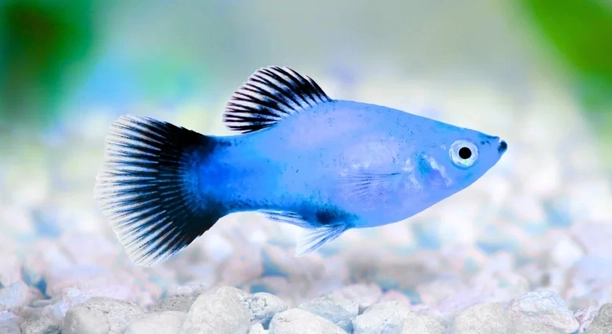
Platies are popular freshwater fish known for their vibrant colors and peaceful nature. Many owners notice these fish often swimming near the aquarium heater. Understanding why they prefer this spot can help maintain their health and comfort.
Platies swim near the heater primarily because they seek warmer water temperatures. Warmer water helps regulate their metabolism, supports digestion, and improves overall activity levels. Consistent warmth near the heater creates an ideal environment for their wellbeing.
Knowing the reasons behind this behavior helps improve tank conditions and ensures your platies stay happy and healthy in their aquatic home.
Warmth and Metabolism
Platies are cold-blooded animals, meaning their body temperature depends on their environment. When the water is warmer, their metabolism speeds up, helping them digest food more efficiently and stay active. In colder water, their metabolism slows, making them less energetic. The heater creates a warm zone that platies find comfortable and safe. Swimming near it helps maintain their energy levels and supports bodily functions. Additionally, warmer water can stimulate their immune system, helping them fight off diseases. Platies may also feel less stressed near the heater, as consistent temperature reduces sudden changes that can cause discomfort. In aquariums without stable warmth, platies might cluster near the heater more frequently to avoid colder areas. This behavior is natural and shows they are seeking optimal conditions to thrive. Making sure the heater is functioning properly and set to the right temperature is important for their health.
Platies choose warm spots to keep their metabolism steady and avoid cold stress. This behavior is essential for their survival.
It’s important to monitor your aquarium’s temperature to ensure it stays within the ideal range for platies, usually between 72°F and 78°F. Sudden drops or spikes can cause health problems. A reliable heater with a thermostat helps maintain this balance, preventing your fish from needing to crowd the warm area too much. A well-distributed temperature in the tank keeps platies moving throughout, promoting exercise and reducing territorial disputes. Regular temperature checks can prevent issues before they affect your fish. Remember, comfort in their environment leads to healthier and more active platies.
Comfort and Safety
Platies often swim near the heater because they feel safe in that warm corner. The consistent temperature creates a calm environment.
The heater area offers a stable microclimate that reduces stress from temperature fluctuations. This sense of security encourages platies to relax and rest. In a tank with strong currents or rough decorations, the heater’s warm zone can be a peaceful refuge. It acts like a small haven where they can regain energy. Fish can be sensitive to changes, so having this steady warmth reduces their anxiety. This behavior is common in many aquarium fish species. Providing hiding spots near the heater can enhance this feeling of safety.
Besides warmth, the area near the heater may be less crowded, making it easier for platies to avoid competition. This space allows them to maintain social balance and avoid aggressive interactions. The steady environment promotes better health by lowering stress levels. Creating a tank layout that includes cozy spaces close to the heater helps platies feel comfortable and secure throughout the day.
Oxygen Levels Near the Heater
Heated water holds less oxygen than cooler water, which can affect platies’ swimming behavior. They might swim near the heater to find a balance between warmth and oxygen availability.
In aquariums, oxygen levels can vary with temperature changes. Warm water near the heater may have lower oxygen, so platies often swim slightly away from it to find better oxygen-rich areas. They try to stay close enough to enjoy warmth but move when they need more oxygen. Good water circulation and aeration help maintain oxygen levels throughout the tank. Adding air stones or filters with strong flow can improve oxygen distribution and keep platies comfortable near the heater and elsewhere.
Ensuring proper oxygen levels is key. A well-maintained tank avoids low oxygen stress, preventing platies from overcrowding near the heater. Balanced conditions promote healthy swimming and reduce lethargy.
Behavior and Social Interaction
Platies use the heater area as a common meeting spot for socializing and establishing territory. Warmth encourages activity and interaction.
Fish often choose warm spots to gather because these areas help them stay alert and energetic. Social behaviors like chasing, courting, or schooling happen more around the heater. It acts as a center for interaction due to the stable conditions. However, this can sometimes lead to minor conflicts or competition for space near the heater, especially in smaller tanks. Providing enough room and hiding places reduces stress and aggression. Observing how platies behave near the heater helps you understand their social dynamics and adjust the tank setup to keep them peaceful and active.
Feeding Habits Near the Heater
Platies often swim near the heater during feeding times. The warmth helps speed up digestion and keeps their energy levels high.
Warmer water near the heater stimulates their appetite, making them more active and eager to eat. This spot becomes a feeding favorite.
Health and Disease Prevention
Warm water supports the immune system and helps platies recover faster from illness. Staying near the heater can reduce stress, which lowers disease risk and aids healing.
Tank Setup and Heater Placement
The location of the heater influences platies’ swimming patterns. Placing the heater where water flow distributes heat evenly encourages fish to explore more areas.
Stress Reduction
Stable temperatures near the heater reduce stress in platies, promoting calm behavior and better health.
Why do platies prefer warmer water near the heater?
Platies are tropical fish that thrive in temperatures between 72°F and 78°F. Warmer water speeds up their metabolism, making digestion easier and helping them stay active. The heater provides a steady warm spot that feels comfortable, so platies naturally swim close to it. Cooler parts of the tank can slow them down and cause stress, so they seek warmth to maintain good health.
Is it harmful if platies stay too close to the heater all the time?
Staying near the heater itself isn’t harmful as long as the temperature is stable and within their ideal range. However, if the heater is set too high or creates hot spots, it could cause burns or stress. It’s important to have a reliable heater with a thermostat and good water circulation to avoid temperature extremes. If platies crowd the heater because the rest of the tank is too cold, it indicates uneven heating that should be fixed.
How can I ensure the tank temperature is comfortable for platies?
Use an aquarium thermometer to monitor the water temperature daily. Set your heater to maintain between 72°F and 78°F. Avoid sudden temperature changes by placing the heater where water flow spreads heat evenly. Performing regular partial water changes helps keep the temperature stable. Investing in a heater with a built-in thermostat and safety shutoff adds extra protection.
What if platies swim near the heater but seem lethargic or unhealthy?
If platies stay near the heater but appear sluggish or lose appetite, it might indicate illness or poor water quality. Warm water can sometimes mask early symptoms. Check water parameters like ammonia, nitrite, nitrate, and pH, and make sure filtration is working well. Poor water quality can stress fish even if the temperature is right. Consult a vet or fish expert if symptoms persist.
Do platies need hiding spots near the heater?
Yes, providing hiding places near the heater helps platies feel secure. Warmth combined with shelter creates a safe resting area. Plants, caves, or decorations placed nearby reduce stress and give fish a retreat from more active tank zones. This setup encourages natural behavior and keeps your platies calmer and healthier.
Can poor oxygen levels near the heater cause problems for platies?
Warm water holds less oxygen than cooler water, so oxygen levels near the heater can be lower. This may cause platies to swim away occasionally to breathe in better-oxygenated areas. Good aeration through air stones, filters, or surface agitation helps maintain oxygen levels and keeps fish comfortable throughout the tank.
Why do platies sometimes gather near the heater during feeding time?
Warm water stimulates their metabolism and appetite, making platies more eager to eat near the heater. The increased activity helps them digest food better. Feeding near the heater often becomes a routine spot where platies feel energized and social, which encourages healthy eating habits.
How does tank setup affect platies’ behavior near the heater?
The position of the heater in the tank impacts how platies use the space. When the heater is placed where water flow distributes heat evenly, fish are less likely to cluster in one spot. Good water circulation promotes swimming around the tank and balances temperature zones. A well-designed setup with hiding spots and open areas near the heater encourages natural movement and reduces stress.
Can platies get burned by the heater?
If a heater lacks proper insulation or has no protective casing, fish can get burned by direct contact. Most modern heaters come with a safety guard, but it’s important to check and ensure the heater is safe to use. Avoid placing the heater in spots where platies cannot easily swim away if they feel too hot.
What other signs should I watch for if platies are uncomfortable near the heater?
Watch for rapid gill movement, gasping at the surface, hiding constantly, or erratic swimming. These signs may indicate stress from temperature issues, low oxygen, or illness. Regular observation and maintenance help catch problems early before they worsen. Maintaining proper heater function and tank conditions keeps your platies thriving.
Platies are small, lively fish that thrive best when their environment meets their natural needs. One important factor is temperature. These fish naturally seek warmth to keep their bodies functioning well. The heater in an aquarium provides this warmth, creating a cozy spot where platies feel comfortable. By staying near the heater, they maintain a steady body temperature, which helps their metabolism, digestion, and overall health. It is normal behavior for platies to gather around the heater, especially if the rest of the tank is cooler or has uneven temperatures. Understanding this helps aquarium owners create better living conditions for their fish.
It is important to ensure the heater is working properly and set to the right temperature for platies, usually between 72°F and 78°F. A stable temperature reduces stress and helps prevent illness. If platies are crowded near the heater too often, it may signal that the rest of the tank is too cold or the water is not circulating well. Proper tank setup includes placing the heater where it can evenly warm the water and using filters or air stones to keep oxygen levels healthy throughout the tank. Adding plants or decorations near the heater can also provide safe hiding places for platies, making them feel secure while enjoying the warmth. Regular monitoring of temperature and water quality ensures the tank environment supports their health and activity.
Platies’ behavior near the heater is natural and shows their effort to find comfort in their environment. Paying attention to their swimming patterns and how much time they spend near the heater can help detect potential issues early. Whether it is adjusting the heater’s position, improving water flow, or cleaning the tank, small changes can make a big difference in their wellbeing. By providing stable warmth, clean water, and proper tank design, platies will remain active and healthy. Watching these little fish enjoy their cozy warm spot is a sign they are thriving, which is the goal for any fish keeper.

Hello,
If you enjoy the content that we create, please consider saying a "Thank You!" by leaving a tip.
Every little bit helps us continue crafting quality advice that supports the health, happiness, and well-being of pets around the world, for pets of all shapes, sizes, and species.
We really appreciate the kindness and support that you show us!