
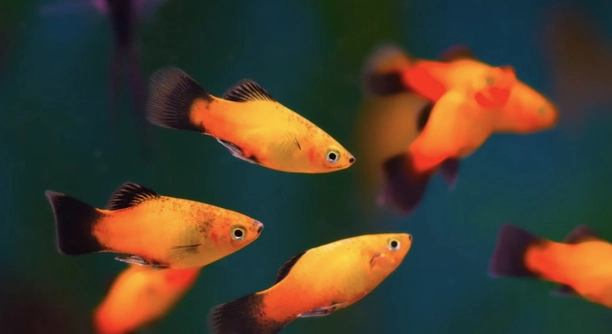
Do you ever find yourself wondering if your platies can thrive in a tank without a filter running all the time?
Platies can survive without a filter for short periods, but it is not ideal for their long-term health. Filters help maintain water quality, reduce waste buildup, and ensure oxygen levels stay stable in a controlled environment.
Learning how filtration affects platies will help you create a more stable tank and avoid common issues tied to poor water conditions.
Why Filtration Matters for Platies
A filter plays a key role in keeping a platy tank clean and balanced. It helps remove waste, leftover food, and toxins like ammonia that can build up quickly. Without a filter, these harmful substances stay in the water and can affect the health of your fish. Platies are hardy, but they still rely on good water conditions to stay active and disease-free. Even a small sponge filter can make a big difference in a small tank. Filtration also helps oxygenate the water, especially in tanks with limited surface movement. When the water moves, it exchanges gases better, which helps your fish breathe. A stable tank with a proper filter keeps things running smoothly and reduces the need for constant manual cleaning. While platies can manage in a filterless setup for a little while, they do best when their environment is kept stable and clean with the help of proper equipment.
Filters are not just about convenience—they’re essential for maintaining a healthy tank environment over time.
If you choose to skip a filter, be ready for more frequent water changes and careful monitoring. Without filtration, toxic waste can build up, even in a well-cycled tank. Regular cleaning becomes necessary to avoid stress and illness in your platies. Keeping a close eye on water parameters like ammonia and nitrite levels becomes even more important. You’ll also need to manage uneaten food and algae, which can grow faster without a filter’s help. A filter supports beneficial bacteria that naturally break down waste, making maintenance easier. If your tank has live plants, they may help a little, but they can’t fully replace what a filter does. For beginners or anyone who wants a stable and low-maintenance setup, using a filter is a safer and more reliable choice to support the health and behavior of your platies.
When a Filter Isn’t Available
In some cases, a filter may break or be unavailable for a while. During this time, there are still ways to support your platies and maintain their environment.
Without a filter, your first focus should be on regular water changes. A 25–30% water change every two days helps remove toxins and keep the water fresh. You should also avoid overfeeding, as leftover food decays and adds to the waste. Using an air stone can help move the water and increase oxygen, which your fish need to stay healthy. Adding live plants like hornwort or anacharis may also help by absorbing some waste and providing natural filtration support. Keep the tank lightly stocked, as fewer fish mean less waste. It’s important to test your water often to make sure it stays safe for your platies. If you notice signs of stress, such as rapid gill movement or loss of color, it may mean the water quality is dropping. In such cases, increase your maintenance or consider replacing the filter as soon as possible.
Risks of Not Using a Filter
Without a filter, waste builds up fast and can make the water unsafe. Ammonia, nitrites, and nitrates rise quickly, leading to stress, illness, or even death. Poor water quality also weakens the immune system and affects your platies’ appetite and behavior.
One of the biggest risks is an ammonia spike. Even a small amount can be harmful. Platies exposed to high ammonia may gasp for air, lose color, or stop eating. Nitrite is just as dangerous, affecting how oxygen is carried in their blood. Nitrate, though less toxic, builds up over time and weakens the fish. These conditions are harder to control without a filter, especially in smaller tanks. Regular water testing becomes essential. You’ll also need to remove debris manually and clean the tank often. Without that support, platies become more vulnerable to fin rot, ich, and other common infections triggered by dirty water.
Even if your platies seem fine at first, long-term exposure to unstable water conditions takes a toll. They may become less active, lose interest in food, or show signs of stress more frequently. Over time, this affects their growth and lifespan. Breeding behavior can stop, and younger fish may not survive. It becomes harder to maintain a balanced tank, especially if you add more fish later. A filter helps build a steady, self-supporting cycle that reduces these risks. It houses beneficial bacteria that process waste, which is hard to maintain manually. Skipping a filter is possible, but the risks grow quickly without extra effort and constant attention. It becomes more work than it’s worth for most fish keepers.
Signs Your Platies Are Struggling
Platies show clear signs when their environment is off. You might notice them swimming near the surface or resting more than usual. Faded colors, clamped fins, and rapid gill movement can all mean poor water conditions are stressing them.
Another common sign is loss of appetite. If your platies start ignoring food or eat less than usual, it often signals a problem in the tank. Excessive hiding, darting around, or unusual behavior may also point to discomfort or stress caused by unfiltered water. Cloudy water or strong odors are warning signs that waste is building up and the tank isn’t staying clean. Disease outbreaks like ich or fin rot tend to spread more quickly in tanks without filtration. These symptoms are easy to miss if you’re not checking regularly. Keeping a close eye on your platies helps you catch problems early, especially when there’s no filter helping to keep the environment stable.
How to Improve Water Quality Without a Filter
Do smaller water changes every two days to help keep toxins low. This routine helps remove waste and keeps your platies healthier in the absence of a filter.
Add live plants like hornwort or water wisteria. These plants absorb some waste and help improve water quality naturally while offering shelter.
Best Practices for a Low-Tech Setup
Use a larger tank when possible, as it helps dilute waste more effectively. Avoid overfeeding, since uneaten food quickly pollutes the water. Keep the tank lightly stocked to reduce strain on water conditions. Test water parameters weekly to catch ammonia or nitrite spikes early. An air stone or bubbler can improve oxygen levels and circulation. Clean the substrate regularly using a siphon to remove trapped debris. Provide hiding spots using plants or decorations to reduce stress. Monitor your platies daily for behavior or appearance changes. Without a filter, consistency and observation become essential. Staying on top of care keeps the environment safer and more stable.
Final Thoughts on Filter-Free Tanks
A filter-free setup is possible, but it requires more work. Careful maintenance and attention to detail help your platies stay healthy.
FAQ
Can platies survive without a filter long term?
Platies can survive for a short time without a filter, but it is not recommended for the long term. Without filtration, waste builds up quickly, which can harm your fish. Over time, the water quality worsens, causing stress and health problems. Filters help maintain a stable and clean environment that supports platies’ well-being. Without one, you must do frequent water changes and keep a very close eye on water parameters to prevent toxic buildup.
How often should I change the water if I don’t use a filter?
If your tank doesn’t have a filter, changing about 25–30% of the water every two days is a good practice. This helps remove harmful waste like ammonia and nitrites that naturally accumulate. Skipping or delaying water changes can quickly lead to dangerous water conditions. You also need to clean the substrate and remove leftover food regularly to avoid pollution.
Can live plants replace a filter?
Live plants help improve water quality by absorbing some waste and providing oxygen. However, they can’t fully replace a filter. Plants work best as part of a low-tech setup, but you still need regular water changes and proper tank care. Relying only on plants puts more pressure on you to keep the tank clean and maintain stable water conditions.
What are signs of poor water quality in my platy tank?
Look for signs like gasping at the surface, faded colors, clamped fins, and rapid gill movement. Loss of appetite or hiding more than usual are also common signs of stress caused by poor water quality. Cloudy water or strong odors mean waste is building up. Early detection helps prevent serious health issues.
Is it harder to care for platies without a filter?
Yes, keeping platies without a filter requires more frequent maintenance and monitoring. You must do more water changes, clean the tank often, and test water parameters regularly. It demands extra attention to keep the environment safe and comfortable for your fish.
What equipment helps if I don’t have a filter?
An air stone or bubbler helps improve oxygen levels and water circulation. A siphon is useful for cleaning the substrate to remove waste. A reliable water test kit is important for monitoring ammonia, nitrite, and nitrate levels.
Can overfeeding cause problems in an unfiltered tank?
Yes, overfeeding is a major issue because uneaten food quickly decomposes and pollutes the water. In a tank without a filter, leftover food can lead to toxic buildup and algae growth. Feeding your platies small amounts and removing excess food helps keep water quality stable.
How many platies can I keep without a filter?
Keep the tank lightly stocked, especially without filtration. Fewer fish produce less waste, which is easier to manage. A good rule is no more than one inch of fish per gallon, but even less is safer when there’s no filter.
Can I use a sponge filter instead of a power filter?
Yes, sponge filters are a great low-tech option. They provide biological filtration and gentle water movement, which helps keep the tank clean without strong currents. Sponge filters are easy to maintain and safe for small fish like platies.
What happens if ammonia levels get too high?
High ammonia is very toxic and can cause gill damage, breathing problems, and death. Even small amounts are harmful to platies. Regular water testing and water changes are key to preventing dangerous ammonia spikes.
Are platies hardy fish if water conditions slip?
Platies are generally hardy but still vulnerable to poor water quality. They can tolerate minor fluctuations, but long-term exposure to bad conditions weakens their immune system and makes them prone to disease.
Can I use water conditioners to help without a filter?
Water conditioners can neutralize chlorine and detoxify ammonia temporarily. They are useful but not a replacement for proper filtration and maintenance. Conditioning helps reduce stress during water changes or emergencies.
Is a bigger tank better without a filter?
Yes, larger tanks dilute waste better and tend to be more stable in water parameters. If you want to run a tank without a filter, choosing a bigger tank can reduce the risk of rapid toxic buildup and make maintenance easier.
How important is testing water parameters without a filter?
Testing is very important. Without a filter, waste can accumulate quickly and quietly. Regular tests for ammonia, nitrites, and nitrates help catch problems early before they affect your fish’s health.
Can platies breed successfully without a filter?
Breeding is possible but more challenging without a filter. Poor water quality stresses adults and fry, reducing survival rates. Extra care and frequent water changes are needed to create a safe environment for young fish.
What’s the best advice for beginners without a filter?
If you don’t use a filter, focus on small water changes, avoid overfeeding, keep the tank lightly stocked, and test water often. Add live plants and use gentle aeration like an air stone. Being consistent and observant is key to success.
Final Thoughts
Platies can live without a filter for short periods, but maintaining their health becomes more challenging without proper filtration. Filters play a crucial role in keeping the water clean by removing waste and toxins that naturally build up in the tank. Without a filter, these harmful substances can reach unsafe levels quickly, which can stress your fish and lead to illness. While it’s possible to care for platies without one, it requires more effort and attention from you. Frequent water changes, careful feeding, and regular monitoring of water quality become essential to keep your fish safe and comfortable.
Choosing not to use a filter means you must stay on top of tank maintenance more than usual. You will need to do water changes regularly—usually every couple of days—to remove the waste that accumulates. Overfeeding must be avoided since leftover food decomposes and adds to pollution in the tank. Live plants can help improve water quality somewhat by absorbing nitrates and providing oxygen, but they cannot replace the role of a filter entirely. Adding an air stone or bubbler can help increase oxygen levels in the water, which supports fish health. Overall, a filter simplifies tank care and creates a more stable environment that benefits your platies in the long run.
If you are committed to a filter-free setup, be prepared to observe your fish closely and respond quickly to any signs of distress. Platies often show signs when water quality drops, such as reduced appetite, faded colors, or unusual swimming behavior. Keeping the tank clean and maintaining stable water conditions will help your platies live healthier lives. For most hobbyists, using a filter is the safer, less stressful choice. It reduces the risks associated with poor water quality and lowers the workload of constant tank care. Whether you choose to use a filter or not, understanding the needs of your platies and maintaining a balanced environment is key to their well-being.

Hello,
If you enjoy the content that we create, please consider saying a "Thank You!" by leaving a tip.
Every little bit helps us continue crafting quality advice that supports the health, happiness, and well-being of pets around the world, for pets of all shapes, sizes, and species.
We really appreciate the kindness and support that you show us!