
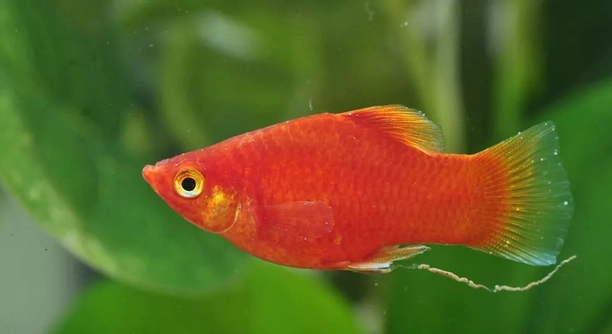
Many platies are peaceful, colorful fish that brighten home aquariums. Sometimes, they may gasp near the surface, which can worry fish owners. Understanding why this happens helps keep your platy healthy and comfortable in its tank.
Gasping near the surface in platies usually indicates low oxygen levels or poor water quality. Insufficient oxygen or high toxins in the water force the fish to seek air at the surface to breathe more easily, signaling an urgent need for tank care.
Recognizing these signs early is important to prevent health problems. This article will explain common causes and simple solutions to help your platy thrive.
Common Causes of Gasping in Platies
Platies may gasp near the water surface mainly because of low oxygen levels. When oxygen is low, fish struggle to breathe, so they swim upwards where oxygen is more available. Poor water quality also plays a role. High levels of ammonia, nitrites, or nitrates, often caused by infrequent water changes, can stress your platy. Additionally, overcrowding in the tank reduces oxygen and increases waste. Another factor is water temperature—warmer water holds less oxygen, which can make your fish uncomfortable. Proper filtration and aeration help maintain good oxygen levels. Watching your platy’s behavior regularly can help you spot gasping early and act before problems worsen. Small changes like cleaning the tank and checking equipment can make a big difference in keeping your platy healthy.
Low oxygen and poor water conditions are the most common reasons your platy gasps near the surface. These factors should be checked first.
Knowing these causes allows you to take quick action. Adjusting water quality and tank setup can stop the gasping and improve your platy’s well-being.
How to Improve Oxygen Levels in the Tank
Keeping the water well-oxygenated is key to your platy’s health. Aeration devices like air stones or bubble wands increase oxygen by moving water and creating surface agitation. Regular water changes also refresh oxygen content and remove harmful chemicals. Avoid overfeeding because leftover food can rot and reduce water quality. Ensure your tank is not overcrowded, as too many fish consume oxygen quickly. Adding live plants can help oxygenate water naturally during daylight. Monitoring water temperature is important; cooler water holds more oxygen. A good filtration system supports both clean water and oxygen circulation. By maintaining these conditions, you create a stable environment where your platy can breathe easily and thrive.
Improving oxygen levels is essential and can be done with simple steps like adding aeration and regular tank maintenance.
Implementing these strategies will greatly reduce surface gasping and support your platy’s long-term health. These efforts create a safer and more comfortable habitat for your fish to live happily.
Signs of Poor Water Quality
Cloudy water, strong odors, and algae growth often indicate poor water quality. These conditions stress platies and cause gasping at the surface. Regular testing helps detect problems early.
Testing water regularly for ammonia, nitrite, and nitrate levels is important. Ammonia and nitrites are toxic even at low levels, and nitrates, while less harmful, can build up over time and affect fish health. Water that is not changed frequently allows these toxins to accumulate. Even if the water looks clear, harmful chemicals may still be present. Using a reliable test kit lets you monitor these levels and maintain a healthy environment. Keeping these toxins low reduces stress on your platy and prevents gasping behavior.
In addition to chemical testing, checking the pH and hardness of the water can help. Platies prefer a pH between 6.8 and 8.0, with moderate hardness. Water outside this range can cause discomfort and stress. Stabilizing these factors creates a more comfortable tank environment. Proper filtration and regular cleaning remove waste and debris that degrade water quality. Together, these steps keep your platy safe and less likely to gasp at the surface.
Importance of Tank Size and Population
A small tank or overcrowding lowers oxygen and increases waste quickly. Platies need enough space to swim and healthy water to thrive.
Each platy requires about two gallons of water to have enough room and oxygen. Overcrowding leads to competition for oxygen and causes water quality to decline faster. This can stress your fish and result in gasping near the surface. A larger tank with fewer fish helps maintain better oxygen levels and reduces waste buildup. Proper stocking also makes cleaning easier and keeps water conditions more stable.
Having fewer fish per tank volume reduces stress and keeps the oxygen balanced. Even if the water looks clean, overcrowded tanks can create hidden dangers. Regularly check how many fish you have compared to the tank size. Adjusting the number or upgrading to a bigger tank can improve your platy’s health significantly. This simple change helps prevent surface gasping and creates a better environment overall.
Effects of Water Temperature
Warmer water holds less oxygen, which can cause your platy to gasp near the surface. Keeping the temperature stable helps maintain good oxygen levels.
Platies do best between 72°F and 78°F. Temperatures outside this range can stress them and reduce oxygen availability. Use a reliable heater and thermometer to keep the water steady.
How Stress Impacts Gasping Behavior
Stress weakens a platy’s immune system and increases oxygen needs. Stress can come from sudden changes, aggressive tank mates, or poor water conditions. Reducing stress helps prevent gasping.
Role of Filtration in Maintaining Water Quality
Good filtration removes waste and keeps water clean, supporting oxygen levels. Filters also help circulate water, increasing oxygen exchange at the surface. Regular filter maintenance is key to keeping your platy healthy.
Why is my platy gasping even though the water looks clean?
Clear water does not always mean healthy water. Harmful chemicals like ammonia or nitrites can be present even if the water looks perfect. These toxins stress fish and reduce oxygen availability. Testing water regularly with a kit is the best way to be sure your tank is safe for your platy.
How often should I change the water to prevent gasping?
A good rule is to change 20-30% of the water every week. This helps remove waste and toxins that build up over time. Regular water changes keep oxygen levels stable and reduce stress for your fish. Avoid changing all the water at once, as this can shock your platy.
Can overfeeding cause my platy to gasp near the surface?
Yes, overfeeding leaves uneaten food that decomposes and pollutes the water. This reduces oxygen and releases harmful substances. Feeding small amounts once or twice a day is enough. Remove leftover food to keep the water clean and oxygen-rich.
Is tank size really important for preventing gasping?
Absolutely. Small tanks hold less oxygen and become polluted faster. Each platy needs about two gallons of water. Overcrowding causes competition for oxygen and poor water quality, leading to gasping. A larger tank with fewer fish supports better health.
Does temperature affect how much my platy gasps?
Yes, warmer water holds less oxygen. If the temperature rises above 78°F, your platy may struggle to breathe. Keep the water between 72°F and 78°F. Use a heater with a thermostat to avoid sudden temperature changes that stress the fish.
Can live plants help reduce gasping behavior?
Live plants produce oxygen during the day, which can improve water quality and oxygen levels. They also absorb some toxins. However, at night plants consume oxygen, so balance is important. Adding a few healthy plants can support a stable environment for your platy.
How does filtration affect my platy’s breathing?
A good filter removes waste and circulates water, increasing oxygen exchange at the surface. Without proper filtration, toxins build up and oxygen drops. Clean your filter regularly to keep it working well and maintain healthy water conditions.
Why do some platies gasp only occasionally?
Occasional gasping might happen after feeding or during high activity when oxygen demand increases. It can also occur during short drops in oxygen levels. If gasping becomes frequent or constant, it signals a problem with water quality or tank conditions.
Can stress cause gasping even if the water is fine?
Yes, stress weakens your platy’s immune system and increases its oxygen needs. Causes include aggressive tank mates, sudden changes, or poor tank setup. Reducing stress by providing hiding spots and stable conditions helps your fish breathe easier.
What should I do if my platy is gasping frequently?
Test the water immediately for oxygen, ammonia, nitrites, and nitrates. Perform a partial water change if needed and check tank temperature. Ensure good filtration and aeration. Reduce feeding and consider if the tank is overcrowded. Acting fast prevents health problems.
Is it normal for baby platies to gasp more than adults?
Young platies may gasp more because they are smaller and have higher metabolism rates. They also need cleaner water and stable conditions to grow. Keep an eye on them and maintain excellent water quality to support their development.
Can adding air stones fix gasping problems?
Air stones help increase oxygen by moving water and creating bubbles. They are a simple way to improve oxygen levels, especially in tanks with poor surface movement. However, they do not fix underlying water quality issues, so regular maintenance is still necessary.
How do I know if my platy is gasping or just eating at the surface?
Gasping usually involves rapid, heavy breathing near the surface and staying there for extended periods. Eating at the surface is quick and deliberate. Watching your platy’s behavior carefully helps distinguish between the two.
Are certain tank setups better for preventing gasping?
Tanks with good filtration, aeration, stable temperature, and enough space reduce gasping risks. Using live plants and regular water changes also help. Avoid overcrowding and keep the tank clean to create the best conditions for your platy.
Can changing water too often cause gasping?
Frequent or large water changes can shock your fish, causing stress and gasping. Stick to small, regular water changes around 20-30% weekly. This maintains stability while improving water quality.
What signs besides gasping should I watch for in my platy?
Look for lethargy, clamped fins, loss of appetite, or unusual swimming. These signs, along with gasping, often mean poor water quality or illness. Early detection and care improve your fish’s chances of recovery.
Final thoughts are important when it comes to understanding why your platy is gasping near the surface. Gasping is often a sign that something in the tank needs attention. Most commonly, it points to low oxygen levels or poor water quality. These issues are usually easy to fix with regular maintenance and simple adjustments. Being aware of the causes and how to respond helps you keep your platy healthy and comfortable. Paying attention to your fish’s behavior early can prevent bigger problems down the line.
Maintaining a clean tank with stable conditions is the best way to avoid gasping. This means regular water changes, testing water quality, and making sure your tank is not overcrowded. Proper filtration and aeration are also key factors. Keeping the temperature steady and within the recommended range for platies supports good oxygen levels and reduces stress. Small changes, like removing leftover food and adding live plants, can improve the environment. These steps work together to create a safe home where your platy can thrive.
Watching your platy’s behavior is one of the easiest ways to notice when something is wrong. Gasping is a clear sign that the fish is struggling to get enough oxygen. It should never be ignored. Taking action early with testing, cleaning, and adjusting the tank setup can help your fish recover quickly. Over time, maintaining a healthy tank will reduce the chances of gasping and other health issues. Keeping your platy happy and healthy is achievable with simple care and attention.

Hello,
If you enjoy the content that we create, please consider saying a "Thank You!" by leaving a tip.
Every little bit helps us continue crafting quality advice that supports the health, happiness, and well-being of pets around the world, for pets of all shapes, sizes, and species.
We really appreciate the kindness and support that you show us!