
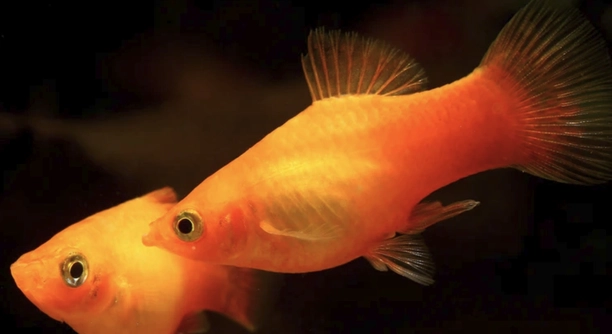
Platies are popular small fish often kept in home aquariums. Many fish owners enjoy their bright colors and easy care. Some wonder if platies can live comfortably in brackish water instead of just freshwater.
Platies can tolerate slightly brackish water but do best in freshwater environments. Their physiology is not adapted to high salt levels, so prolonged exposure to brackish conditions may cause stress or health issues. Careful monitoring is essential if brackish water is used.
Understanding the limits of platies’ habitat preferences helps ensure their health and happiness. Knowing how they respond to different water conditions is key for any aquarium setup.
What Is Brackish Water?
Brackish water is a mix of fresh and saltwater. It usually happens where rivers meet the sea, creating water that has more salt than freshwater but less than seawater. The salt level in brackish water can change depending on tides and rainfall. Many fish and plants have adapted to live in this type of water, but it’s different from the pure freshwater most aquarium fish prefer. Platies, for example, are mostly freshwater fish. Their bodies are used to lower salt levels, so moving them to brackish water requires care. The right balance is important to keep them healthy and avoid stress or illness. Some fish can survive in slightly brackish water, but platies do best in freshwater. When setting up a tank, understanding brackish water helps you decide if it’s suitable for your fish and what adjustments you may need to make.
Brackish water is not the same as seawater and is less salty, but still has some salt content.
Platies can survive in mildly brackish water for a short time if introduced slowly and carefully. Sudden changes in water conditions can shock them. Keeping the salinity low and stable is key. Frequent water testing helps make sure the environment stays safe. If you want to try brackish water, it’s best to research the exact salt levels and keep a close eye on your fish. Healthy plants and good filtration can also help maintain water quality. Watching for signs of stress like sluggish swimming or loss of color is important. Most platies prefer freshwater because it matches their natural habitat, but gentle adjustment might work for short periods.
How to Introduce Platies to Brackish Water
Introducing platies to brackish water should be done slowly to avoid stressing them. Start by mixing a small amount of salt into the freshwater tank, increasing the salinity gradually over days or weeks. This gives the fish time to adjust. Use aquarium salt made for fish, as it is safe and balanced. Monitor your platies closely during this period for any changes in behavior or health. If they show signs of distress, it’s better to lower the salt level or return to freshwater. Proper filtration is also important since salt can affect beneficial bacteria in the tank. Regular water testing with a salinity meter or hydrometer helps keep the salt level stable. Avoid using sea salt or table salt, which can harm the fish. By carefully controlling the environment, platies have a better chance to tolerate slightly brackish conditions without serious problems. Maintaining a healthy tank setup with proper plants and hiding spots will help reduce stress on the fish as well.
Signs Platies Struggle in Brackish Water
Platies may show signs of stress if the water is too salty. They might swim slowly, hide more, or lose their bright colors. These signs indicate the environment isn’t suitable for them.
If platies are exposed to high salinity, their bodies can become stressed, affecting their immune system. Stress may lead to increased vulnerability to diseases or infections. You might notice them breathing heavily or staying near the surface. Sometimes, they stop eating or act lethargic. These behaviors suggest that the brackish water conditions are harming their health. It is important to test water parameters often to avoid these issues.
If you spot these signs, it’s best to lower the salt content slowly or move your platies back to freshwater. Quick changes can worsen their condition. Providing clean, stable water with low or no salt will help them recover. Keeping the tank clean and feeding a healthy diet supports their immune system during recovery.
Maintaining a Healthy Environment for Platies
Maintaining water quality is essential when keeping platies, especially in brackish conditions. Regular water changes and filtration prevent harmful buildup. Consistent monitoring ensures stability.
Good filtration removes waste and helps keep the water clear and safe for fish. Changing 20-25% of the water weekly keeps salt and toxins from building up. Use a reliable test kit to check salinity, pH, and ammonia levels. Stable conditions reduce stress and support fish health. Plants in the tank can absorb some waste and provide hiding places, which helps platies feel secure. Avoid overcrowding to reduce stress and maintain clean water. Feeding quality food in small amounts supports their well-being. Consistency in care is key to helping platies thrive, whether in freshwater or mildly brackish tanks.
Salt Levels Safe for Platies
Platies tolerate very low salt levels but not high concentrations. Keeping salinity below 5 ppt (parts per thousand) is generally safe. Higher salt levels can harm them quickly.
Gradual changes in salt content allow platies to adjust. Sudden jumps in salinity cause stress and health problems. Monitor water closely when introducing salt.
Feeding Platies in Brackish Water
Feeding platies a balanced diet is important for their health in any water condition. High-quality flakes or pellets with plant matter work well. Supplement with live or frozen foods for variety.
Common Mistakes to Avoid
Avoid adding too much salt too quickly. This shocks platies and can lead to death. Don’t mix sea salt or table salt; use aquarium salt only.
Tankmates for Platies
Choose peaceful fish that tolerate similar water conditions. Avoid aggressive or highly salt-tolerant species that may outcompete or stress platies.
FAQ
Can platies live in brackish water long-term?
Platies are primarily freshwater fish and do not thrive long-term in brackish water. While they can tolerate slightly brackish conditions for a short time, prolonged exposure to salt can cause stress and health problems. It’s best to keep platies in freshwater or very mild brackish water with close monitoring.
How do I gradually introduce platies to brackish water?
Start by adding small amounts of aquarium salt to the freshwater tank, increasing the salinity slowly over a week or two. Test water parameters daily and observe the fish for signs of stress. Moving too fast can shock them, so patience is key. Maintain stable salt levels once the desired concentration is reached.
What salt concentration is safe for platies?
Keeping salinity below 5 ppt (parts per thousand) is generally safe for platies. Most freshwater tanks have 0 ppt salt. Avoid exceeding this limit to prevent stress. Regularly test water with a hydrometer or salinity meter to maintain safe levels.
Can I use sea salt or table salt for brackish tanks?
No, sea salt and table salt contain additives and minerals harmful to fish. Always use aquarium salt designed for fish tanks. Aquarium salt is pure and helps maintain fish health while adjusting salinity safely.
What are signs that platies are stressed by brackish water?
Common signs include faded colors, lethargy, heavy breathing, hiding more than usual, and loss of appetite. These behaviors suggest the water conditions are not suitable. Lower the salt concentration gradually or move them back to freshwater if symptoms persist.
What should I feed platies in brackish water?
Feed a balanced diet of high-quality flakes or pellets with plant content. Supplement with live or frozen foods like brine shrimp or bloodworms for protein. Good nutrition supports their immune system, especially when adjusting to new water conditions.
Are there better fish options for brackish water tanks?
Yes, species like mollies, some gobies, and certain types of archerfish are better adapted to brackish water. If you want a brackish tank, consider these fish instead of platies for healthier, longer-lived pets.
Can plants survive in brackish water with platies?
Some plants tolerate low levels of salinity, but many common freshwater plants will struggle. Choose hardy species like Java fern or Anubias, which can handle mild brackish conditions. Plants help improve water quality and provide hiding spots.
How often should I change water in a brackish tank?
Change about 20-25% of the water weekly to keep salt levels stable and remove waste. Use water with the same salinity as the tank to avoid shocking fish. Consistent water changes prevent buildup of harmful substances.
Can platies reproduce in brackish water?
Platies rarely breed in brackish water. They prefer freshwater for spawning and raising fry. If breeding is your goal, keep them in a freshwater environment with good conditions for baby fish survival.
Platies are popular aquarium fish known for their bright colors and easy care. While they are mostly freshwater fish, some people wonder if they can live in brackish water, which has a mix of fresh and saltwater. It’s important to know that platies do not naturally live in salty water. Their bodies are designed to handle freshwater, so exposing them to brackish water can cause problems if not done carefully. If you want to try keeping platies in mildly salty water, you need to keep the salt level very low and increase it slowly to avoid stressing the fish. Monitoring water conditions and watching the fish closely is necessary to keep them healthy.
When platies are in water with too much salt, they can show signs of stress. These signs include losing color, swimming less, hiding more, and sometimes having trouble breathing. If you notice any of these, it means the salt level might be too high for them. In such cases, it’s best to lower the salt gradually or return the fish to freshwater. It’s also helpful to keep the tank clean, provide a good diet, and avoid sudden changes in water conditions. Healthy water and proper care give platies a better chance to live comfortably, whether in freshwater or slightly brackish tanks. Choosing the right salt level and giving them time to adjust is very important.
Overall, platies do best in freshwater tanks, but they can survive in very low brackish water if handled properly. However, long-term living in brackish water is not recommended because it can weaken their health over time. If you want a brackish water aquarium, it might be better to consider fish that are naturally suited for that environment. Always remember to test your water regularly, keep changes slow, and pay attention to your fish’s behavior. Taking these simple steps helps ensure that your platies stay happy and healthy in their tank.

Hello,
If you enjoy the content that we create, please consider saying a "Thank You!" by leaving a tip.
Every little bit helps us continue crafting quality advice that supports the health, happiness, and well-being of pets around the world, for pets of all shapes, sizes, and species.
We really appreciate the kindness and support that you show us!