
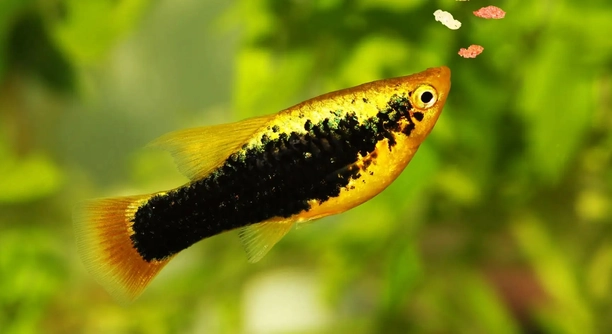
Is your platy fish often found resting near the heater in your aquarium? Many fish owners notice this behavior and wonder if it means something is wrong. Understanding why your platy prefers that warm spot can help you keep it healthy and comfortable.
Platies tend to stay near the heater because they seek warmer water temperatures, which support their metabolism and overall well-being. This behavior is a natural response to ensure optimal body function, especially in cooler tanks or during temperature fluctuations.
Knowing the reasons behind this habit will help you create a better environment for your platy and prevent possible health issues.
Why Platies Prefer Warm Water
Platies are tropical fish that thrive in warm water environments. When the tank temperature drops even slightly, they tend to move closer to the heater where the water is warmer. This behavior helps them maintain their body temperature and supports their natural metabolism. If the water is too cold, their activity levels drop, and they can become stressed or even sick. By staying near the heater, they are seeking a comfortable and stable environment. It’s important to keep the tank temperature consistent, usually between 72°F and 78°F, to meet their needs. Sudden changes in temperature can cause platies to behave unusually, such as hiding or hanging near the heater. Monitoring the heater regularly ensures it works properly and the water stays at the right temperature. This simple step can make a big difference in your fish’s health and happiness.
Maintaining a steady warm temperature helps platies stay active and healthy.
If your platy spends too much time near the heater, it could also be a sign that the rest of the tank water is cooler than ideal. This often happens if the heater is small or faulty, or the room temperature is low. To avoid this, use a reliable heater with an adjustable thermostat and check the tank temperature daily. You might also consider using a thermometer to ensure the temperature is even throughout the tank. Proper filtration and good water circulation help distribute heat evenly. Additionally, avoid placing the tank in drafty areas or near air conditioners, as these can lower the water temperature and cause your fish to seek warmth near the heater. Keeping a balanced temperature creates a comfortable environment for your platy to swim freely and stay healthy.
Signs of Stress in Platies Near the Heater
Spending too much time near the heater may also signal stress or discomfort in your platy.
Platies showing stress often have clamped fins, reduced appetite, or sluggish movements. Poor water quality, sudden temperature changes, or overcrowding can cause this stress. Make sure to test the water regularly for ammonia, nitrites, and nitrates, and perform water changes when needed. Check that the tank size is appropriate for the number of fish you have, as overcrowding increases stress. Additionally, monitor other fish for signs of aggression that may push your platy toward the heater for safety. Sometimes, illness or parasites cause fish to seek warmer water, so keep an eye out for unusual spots, discoloration, or rapid breathing. Addressing these issues quickly can improve your platy’s comfort and prevent health problems. Proper care and attention will help your fish feel secure and maintain a balanced behavior in the tank.
Adjusting the Heater for Better Comfort
Check that your heater is set to the correct temperature for platies, ideally between 72°F and 78°F. Avoid setting it too high, as overheating can harm your fish.
Using a reliable heater with an adjustable thermostat is essential. If your heater doesn’t have a thermostat, the water temperature can fluctuate widely, causing stress. Make sure the heater is fully submerged and positioned where water flows evenly around it. This helps distribute warmth throughout the tank instead of creating hot spots near the heater. Regularly test the water temperature in different parts of the tank to ensure even heating. If you notice cold spots, reposition the heater or add a small water circulation pump to improve flow and temperature balance. Proper setup helps your platy swim comfortably anywhere in the tank.
If your tank is large, consider using multiple heaters to maintain a consistent temperature. This prevents your platy from gathering only near one warm spot, encouraging natural swimming patterns and reducing stress.
Monitoring Your Platy’s Behavior
Keep an eye on how often your platy stays near the heater and if its behavior changes.
If the fish only visits the heater occasionally, it’s normal for warmth seeking. But constant hanging near the heater can mean discomfort or health issues. Watch for changes like loss of appetite, lethargy, or unusual swimming patterns. These signs indicate your platy might be stressed or sick. Also, observe if it interacts normally with other fish or isolates itself. Keeping a log of behavior changes helps you track progress if you adjust tank conditions or start treatments. Staying attentive to these details improves your fish’s well-being and allows timely care.
Common Tank Temperature Mistakes
Setting the heater too low or too high can cause problems for platies. A temperature below 70°F may make them sluggish, while above 80°F can stress them out.
Ignoring temperature fluctuations caused by room drafts or poor heater placement often leads to uneven tank warmth.
Using a Thermometer for Accuracy
A reliable aquarium thermometer is essential for tracking your tank’s temperature. It helps you detect changes early and avoid problems. Place the thermometer in a central spot away from the heater to get an accurate reading of the water temperature your platy experiences. Regular checks ensure the heater and thermostat work properly, preventing sudden temperature drops or spikes that cause fish stress. Monitoring the temperature closely keeps the environment stable and comfortable for your platy.
When to Replace the Heater
If your heater frequently malfunctions or cannot maintain a stable temperature, it’s time to replace it.
FAQ
Why does my platy hang near the heater but sometimes swim away quickly?
Platies seek warmth near the heater but may swim away if the temperature gets too hot or if they feel disturbed. They prefer a comfortable spot, so rapid movements could mean the water is unevenly heated or there’s stress from tank mates or environmental changes.
Can a heater cause harm if it’s too strong or weak?
Yes, an overly strong heater can overheat the tank, stressing or even harming your platy. A weak heater might not maintain the temperature, causing cold spots. Both situations can make your fish seek the warmest area near the heater, disrupting their natural behavior.
How often should I check the water temperature?
It’s best to check daily, especially if your tank is in a room with fluctuating temperatures. Regular checks help catch heater failures or changes caused by drafts or weather, keeping the water steady and safe for your platy.
What is the ideal temperature range for platies?
Platies do best between 72°F and 78°F (22°C to 26°C). Staying within this range supports their metabolism, immune system, and activity levels. Temperatures outside this range can cause stress or illness.
Why does my platy stay near the heater even when the temperature seems right?
Sometimes, platies seek heat for comfort or to recover from mild illness or stress. If your tank temperature is stable but your fish still lingers by the heater, check water quality, other fish behavior, or signs of sickness.
Could water quality issues make my platy hang near the heater?
Poor water quality can stress fish, making them seek warmer spots for comfort. High ammonia, nitrites, or nitrates can weaken your platy, so test water regularly and perform water changes as needed to keep conditions ideal.
How can I tell if my platy is stressed?
Signs include clamped fins, rapid gill movement, hiding often, loss of appetite, or unusual swimming patterns. Spending too much time near the heater is also a sign of discomfort or stress.
What should I do if my platy looks sick near the heater?
Test the water for toxins and temperature. Improve water quality with partial changes. Isolate the fish if others show aggression or signs of disease. Consult a vet or aquarium specialist for treatment if symptoms persist.
Is it normal for platies to gather near the heater in a large tank?
Not usually. In a well-heated large tank, platies should spread out. Gathering near the heater might mean temperature is uneven, or there’s an issue with water flow or quality in other areas of the tank.
How can I improve heat distribution in my tank?
Use a water circulation pump or filter that moves water evenly. Position the heater near the filter outlet to help spread warm water. Avoid placing the tank near windows or air conditioners that create cold spots.
Should I worry if my platy only stays near the heater at night?
Fish behavior changes with light and temperature. If the heater keeps the tank warmer at night, your platy might seek that warmth for comfort. As long as it’s healthy and active during the day, this is usually not a problem.
Can other tank conditions cause my platy to stay near the heater?
Yes, overcrowding, aggressive tank mates, or lack of hiding spots can push your platy to seek refuge near the heater. Ensuring a balanced community and enough space can reduce this behavior.
How long does it take for platies to adjust to a new heater?
Adjustment can take a few hours to a day. Sudden temperature changes should be avoided to reduce stress. Gradually raising the temperature helps platies adapt smoothly and prevents health issues.
What types of heaters work best for platy tanks?
Submersible heaters with built-in thermostats are ideal because they maintain stable temperatures. Avoid heaters without temperature control, as they risk overheating or underheating the tank.
Can lighting affect my platy’s behavior near the heater?
Yes, bright or uneven lighting can stress platies, causing them to seek shaded or warmer spots. Use gentle, evenly distributed lighting to create a comfortable environment.
Is it okay if my platy hangs near the heater sometimes?
Yes, occasional visits to the heater are normal as they seek warmth. Problems arise when your fish stays there constantly, which suggests environmental or health issues need attention.
Platies are tropical fish that need warm and stable water temperatures to stay healthy and active. When you notice your platy spending a lot of time near the heater, it usually means the fish is trying to find warmth. This is a common behavior and often points to temperature issues in the tank. Keeping the water between 72°F and 78°F is important because it supports their metabolism and overall well-being. If the tank is too cold, platies can become sluggish, stressed, or even sick. Watching your platy’s behavior around the heater can give you clues about how comfortable they are in their environment.
It’s important to make sure your aquarium heater is working correctly and set to the right temperature. A heater that is too strong can overheat the water, while one that is too weak may leave parts of the tank cooler than needed. Both cases can cause your platy to stay close to the heater, searching for the best temperature. Proper placement of the heater and good water circulation can help spread the heat evenly throughout the tank. Using a thermometer to check water temperature in different areas will help you keep a stable environment. Maintaining good water quality, checking for signs of stress, and ensuring your tank isn’t overcrowded will also improve your platy’s health.
If your platy continues to hang near the heater even when the water temperature is steady, it could mean other problems. Stress, illness, or poor water quality may cause your fish to seek warmth for comfort. Keep an eye out for unusual behavior like loss of appetite or slow movement. Regular water tests and tank maintenance are key to preventing problems. Providing a well-balanced tank setup with proper temperature, clean water, and peaceful tank mates helps your platy feel safe and comfortable. Paying attention to these details will support your fish’s health and make your aquarium a better place for them to thrive.

Hello,
If you enjoy the content that we create, please consider saying a "Thank You!" by leaving a tip.
Every little bit helps us continue crafting quality advice that supports the health, happiness, and well-being of pets around the world, for pets of all shapes, sizes, and species.
We really appreciate the kindness and support that you show us!