
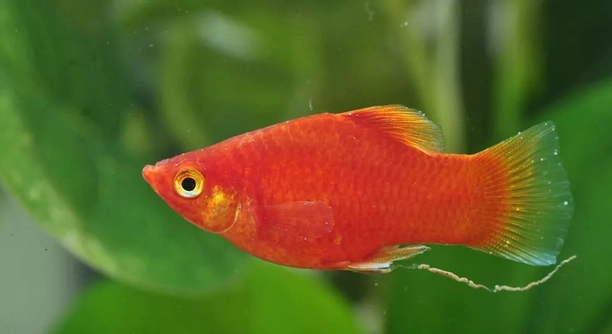
Platies are popular freshwater fish known for their bright colors and peaceful nature. Many aquarium enthusiasts enjoy keeping them as pets. Creating the right environment is key to their well-being and happiness.
Proper tank layout for platies involves providing ample swimming space, stable water conditions, and appropriate plants or hiding spots. These factors reduce stress, encourage natural behavior, and promote overall health in the fish population.
Learning simple layout tips can help you maintain a thriving platy community and enjoy their lively presence in your aquarium.
Choosing the Right Tank Size for Platies
A proper tank size is essential for platies to live comfortably. They need enough room to swim freely and grow. A minimum of 20 gallons is recommended for a small group of platies. Crowded tanks increase stress and the chance of disease. When tanks are too small, water quality can deteriorate faster, which harms the fish. It also limits their natural behavior, making them less active and less colorful. Adding more plants and decorations takes up space, so it’s important to consider that when choosing tank size. A larger tank helps maintain stable water parameters, which is vital for platies’ health. You also get more flexibility to add other compatible fish or decorations without overcrowding. Giving platies plenty of room supports their happiness and longevity.
A tank of at least 20 gallons offers platies a balanced environment with enough space and clean water for healthy living.
When picking a tank, remember that bigger is usually better for platies. It helps keep water stable and reduces stress. A spacious tank lets them swim and explore, showing off their natural behavior and bright colors. If you plan to keep several platies or add other fish, increase the tank size accordingly. Proper filtration and regular maintenance are easier in a larger tank, making the setup more manageable over time. Ultimately, giving platies enough space leads to happier, healthier fish.
Providing Plants and Hiding Spots
Platies appreciate having plants and places to hide. These give them comfort and reduce stress by mimicking their natural habitat. Live plants also improve water quality by absorbing nitrates and producing oxygen. Choose hardy plants like Java fern or Anubias that don’t require much light or special care. Avoid sharp decorations that could injure the fish.
Adding plants and hiding spots creates a peaceful and secure environment for platies. This encourages natural behavior such as exploring and resting. Fish feel safer with places to retreat when needed, reducing aggressive interactions. Floating plants can also help diffuse light, making the tank less stressful. These elements support the well-being of the entire tank community by balancing activity and calm. Overall, thoughtful decoration improves fish health and appearance.
Incorporating live plants and hiding spots in your platy tank adds both beauty and function. Live plants help maintain water quality by filtering harmful substances and providing oxygen. They offer shelter where shy or young platies can hide and feel safe. Decorations like caves or smooth rocks create additional secure areas. This setup prevents boredom and aggressive behavior by giving each fish its own space. Choosing the right plants and hiding places is simple and highly beneficial for maintaining a happy platy aquarium. It also makes the tank more attractive for you to enjoy.
Maintaining Stable Water Conditions
Stable water conditions are crucial for platies’ health. Sudden changes in temperature, pH, or ammonia levels can cause stress and illness. Consistency is key to keeping them happy and thriving.
Regular testing helps monitor water parameters like ammonia, nitrite, nitrate, pH, and temperature. Platies prefer a temperature between 72°F and 78°F and a pH near neutral, around 7.0. Avoid sudden temperature shifts by using a reliable heater and keeping the tank away from drafts or direct sunlight. Frequent water changes of about 25% weekly help keep nitrate levels low and maintain water clarity. Keeping the filter clean but not sterile ensures beneficial bacteria remain active, aiding in breaking down waste. Maintaining stable water chemistry prevents diseases and supports the fish’s immune system.
Consistency in water quality reduces stress and encourages natural behavior. Sudden changes can cause platies to hide, lose appetite, or become lethargic. By regularly monitoring and adjusting water parameters, you provide a comfortable environment. A well-maintained tank minimizes health risks and improves lifespan. It also reduces time spent treating avoidable issues. Remember, water stability supports all aspects of a platy’s life, from growth to breeding success.
Feeding and Nutrition Tips
Platies need a balanced diet to stay healthy. A mix of high-quality flakes, pellets, and occasional live or frozen foods works best. Feeding small amounts twice daily prevents overfeeding and keeps the tank clean.
Offering varied food ensures platies receive all necessary nutrients. High-quality flakes or pellets should be the staple, supplemented with protein-rich options like brine shrimp, bloodworms, or daphnia. Vegetables like blanched spinach or zucchini add fiber and vitamins. Avoid overfeeding, which can cause poor water quality and health issues. Feed only what they can eat in two to three minutes. Remove any uneaten food promptly to prevent decay. Proper nutrition enhances coloration, energy, and immune strength. A healthy diet encourages natural behaviors and supports breeding in community tanks.
Feeding habits directly impact tank cleanliness and fish well-being. Balanced nutrition supports growth and vibrant colors, while overfeeding increases waste and stress. Maintaining portion control and food variety leads to happier platies and a healthier aquarium.
Lighting and Temperature Control
Proper lighting helps platies maintain their natural rhythms and supports plant growth. Avoid harsh or overly bright lights, which can stress the fish. Use a timer to provide consistent day and night cycles.
Platies do well with moderate lighting for about 8 to 10 hours daily. Too much light can cause algae growth, while too little affects plant health and fish behavior.
Choosing Compatible Tank Mates
Platies are peaceful fish that thrive with other calm species. Avoid aggressive or much larger fish that may bully or eat them. Good tank mates include guppies, mollies, and small tetras.
Cleaning and Maintenance Routine
Regular cleaning prevents harmful buildup and keeps the tank healthy. Perform partial water changes weekly and clean decorations and the substrate as needed. Avoid over-cleaning the filter to preserve beneficial bacteria.
Monitoring Fish Behavior
Keep an eye on your platies for signs of stress or illness. Changes in appetite, hiding, or unusual swimming patterns indicate a problem needing attention.
FAQ
How often should I change the water in my platy tank?
Water changes are essential to keep your platies healthy. It’s best to do a partial water change of about 25% every week. This helps remove waste and toxins that build up over time. Weekly changes keep the water clear and maintain stable conditions. Avoid changing too much water at once, as sudden shifts can stress the fish. Regular partial changes balance cleanliness without disturbing the tank’s beneficial bacteria.
What is the ideal temperature range for platies?
Platies thrive in water temperatures between 72°F and 78°F (22°C to 26°C). Staying within this range keeps their metabolism steady and supports immune health. Use a heater to maintain temperature stability, especially in cooler rooms or during winter. Sudden drops or spikes can cause stress and illness, so monitor the temperature regularly.
Can platies live with other fish?
Yes, platies are peaceful and can live well with other calm fish. Good companions include guppies, mollies, small tetras, and corydoras catfish. Avoid aggressive or very large fish that might intimidate or harm them. Mixing compatible species creates a balanced and lively aquarium environment.
How much should I feed my platies?
Feed your platies small amounts twice a day, only what they can eat in about two to three minutes. Overfeeding leads to poor water quality and health issues. Use high-quality flakes or pellets as their main diet and add occasional treats like brine shrimp or blanched vegetables. Balanced feeding supports their growth and coloration.
What kind of plants work best in a platy tank?
Hardy plants like Java fern, Anubias, and hornwort work well. They require low to moderate light and help improve water quality. These plants provide hiding spots and reduce stress. Avoid delicate or high-maintenance plants that might struggle in a community tank.
How do I prevent algae growth?
Control lighting by limiting it to 8-10 hours daily and avoid direct sunlight on the tank. Regular water changes and avoiding overfeeding also help reduce excess nutrients that feed algae. Adding live plants competes with algae for resources. If algae appear, clean the glass and decorations regularly.
What are signs of illness in platies?
Watch for loss of appetite, clamped fins, unusual swimming patterns, spots or discoloration, and lethargy. These signs may indicate infections or poor water conditions. Early detection and treatment improve chances of recovery. Maintaining stable water conditions and good nutrition help prevent disease.
Is it necessary to use a filter in a platy tank?
Yes, a filter is important to keep the water clean and oxygenated. It removes waste and toxins while supporting beneficial bacteria that break down harmful substances. Choose a gentle filter that won’t create strong currents, as platies prefer calm water.
How many platies should I keep in one tank?
A good rule is one inch of fish per gallon of water. Since adult platies grow about 2 inches, a 20-gallon tank can comfortably house around 8 to 10 platies. Overcrowding leads to stress, poor water quality, and health problems.
Can platies breed in a community tank?
Yes, platies breed easily if conditions are right. They are livebearers, meaning females give birth to free-swimming fry. Providing plants and hiding places helps protect the babies. However, other fish might eat the fry, so consider a separate breeding tank if you want to raise the young.
Final Thoughts
Creating a comfortable and healthy environment for platies is easier when you focus on a few key things. Providing enough space in a properly sized tank helps reduce stress and encourages natural behavior. Stable water conditions are very important, as sudden changes can harm these delicate fish. Using a reliable heater, maintaining good filtration, and performing regular water changes all support water stability. Adding live plants and hiding spots not only makes the tank more attractive but also helps your platies feel secure. These elements combine to create an environment where your fish can thrive and show their best colors.
Feeding your platies a balanced diet is just as important as setting up the tank properly. Offering a variety of quality flakes, pellets, and occasional live or frozen foods ensures they get the nutrients they need. Avoiding overfeeding prevents water pollution and health problems. Watching your fish closely for any signs of illness or stress will help you catch problems early. When you maintain good tank hygiene and care for your platies properly, they tend to live longer and stay active. Choosing peaceful tank mates that get along with platies makes the aquarium a calm and happy place.
Overall, attention to detail in tank setup, water quality, nutrition, and fish behavior is key to happy platies. Every small effort you make helps improve their quality of life and keeps your aquarium healthy. Creating the right environment takes some work but is rewarding when you see your platies swimming freely and brightly colored. By following these tips, you can enjoy a peaceful and lively aquarium with platies that stay healthy and vibrant for years to come.

Hello,
If you enjoy the content that we create, please consider saying a "Thank You!" by leaving a tip.
Every little bit helps us continue crafting quality advice that supports the health, happiness, and well-being of pets around the world, for pets of all shapes, sizes, and species.
We really appreciate the kindness and support that you show us!