
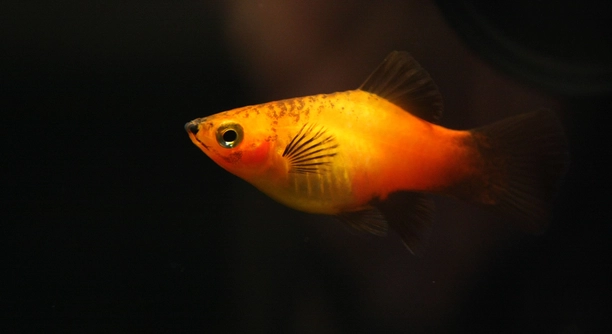
Many people enjoy keeping platies as colorful, peaceful fish in their home aquariums. Observing their behavior can sometimes raise questions, especially when they flick their bodies frequently. This article explores some reasons behind this interesting action.
Body flicking in platies can indicate various factors, including communication, irritation, environmental stress, or health issues. Understanding these reasons helps aquarists maintain their fish’s well-being and create a more comfortable habitat.
Recognizing the causes of body flicking will help you care for your platy more effectively. This guide offers clear insights into what might be influencing your fish’s behavior.
Stress from Environment Changes
Platies are sensitive to changes in their environment. Sudden shifts in water temperature, pH levels, or the introduction of new tank mates can make them flick their bodies as a sign of discomfort. This flicking is often a stress response, showing that the fish is trying to cope with the unfamiliar situation. Even small changes, like moving decorations or altering the lighting, can cause this behavior. It is important to keep the water stable and consistent to help your platy feel safe and calm. Regular monitoring of tank conditions, using a reliable water test kit, can prevent unnecessary stress. If your platy is flicking more after changes, give it time to adjust while keeping the environment steady.
Stress flicking usually lessens when fish acclimate to their new environment. Patience and stable conditions are key to reducing this behavior.
Keeping a routine and avoiding sudden changes will make your platy more comfortable. Consistent care promotes their health and reduces stress flicking in the long run.
Skin Irritation or Parasites
Flicking can be a reaction to skin irritation or parasites. Platies may flick to try to relieve itching or discomfort caused by small parasites or fungal infections. This behavior can sometimes be accompanied by rubbing against tank surfaces or scratching with their fins. If the flicking is frequent, it might indicate a need for treatment or water quality improvement. Early identification and care help prevent serious health problems.
Watch for additional signs like spots, redness, or changes in swimming patterns.
Treating skin issues requires clean water and sometimes medication, depending on the problem. Parasites like ich or flukes are common and need prompt attention. Quarantining affected fish can help prevent the spread of infections. Regular water changes and maintaining proper filtration reduce irritants. Avoid overcrowding the tank, as poor conditions often worsen skin problems. By addressing skin irritation quickly, you help your platy feel better and stop flicking caused by discomfort. Maintaining a clean, stable tank is the best way to keep your fish healthy and flicking-free.
Communication and Social Behavior
Platies use body flicking as a way to communicate with other fish. This flicking can show excitement, establish dominance, or signal a warning to others in the tank. It is a natural part of their social behavior and interaction.
During social interactions, flicking often helps platies set boundaries or attract attention. Males may flick their bodies more during mating displays or when competing for space. It can also be a way to show curiosity or interest in nearby fish. Observing the context of flicking alongside other behaviors can reveal more about what your platy is trying to express.
While some flicking is normal and healthy, too much flicking may indicate stress or conflict within the tank. Monitoring how your fish interact will help you understand when to intervene, such as separating aggressive fish or adding hiding spots to reduce tension.
Response to Irritating Substances
Flicking can happen when platies come into contact with irritating chemicals or poor water quality. Substances like chlorine, ammonia, or nitrites cause discomfort, leading the fish to flick to try to ease the irritation.
Maintaining good water quality is essential for preventing irritation. Regular water tests and changes keep harmful substances low. Using a water conditioner removes chlorine and chloramine from tap water, making it safer for your fish. If flicking increases suddenly, check the tank’s water parameters immediately. Poor filtration or overfeeding can also contribute to water quality issues that cause flicking.
In some cases, toxins from decaying food or waste build up, triggering flicking. Keep the tank clean by removing uneaten food and vacuuming the substrate. Proper tank maintenance helps your platy stay healthy and comfortable, minimizing flicking caused by irritants.
Reaction to Sudden Noises or Movements
Platies are sensitive to sudden noises or quick movements outside the tank. Flicking their bodies is a natural startle response. It helps them react quickly to potential threats in their environment.
This flicking usually stops once the fish feels safe again. Reducing loud sounds and sudden movements near the tank can help minimize stress for your platy.
Overcrowding in the Tank
When a tank is overcrowded, platies often flick their bodies more. Too many fish can cause stress and make it hard for them to find space to swim comfortably. Overcrowding increases competition for food and hiding spots, leading to flicking as a stress signal.
Water Flow Sensitivity
Strong water currents can cause platies to flick their bodies. They may flick to adjust their position or avoid the flow. Providing areas with calmer water helps reduce this behavior and keeps the fish comfortable.
Why is my platy flicking its body constantly?
Constant body flicking in platies usually signals stress or irritation. It may result from poor water quality, skin problems, or an uncomfortable environment. If flicking happens nonstop, check the tank’s water parameters first. Ammonia, nitrite, or nitrate levels that are too high can cause discomfort. Also, look for signs of parasites or infections on your fish’s skin. A dirty tank or overcrowding can make platies feel unsafe, increasing flicking behavior. Ensuring stable water conditions and proper tank maintenance often reduces constant flicking.
Can flicking mean my platy is sick?
Yes, flicking can be a symptom of illness. Parasites like ich or skin infections cause itching and irritation, leading to flicking. Other signs of sickness include loss of appetite, lethargy, or visible spots on the body. If you notice these along with flicking, it’s important to act quickly. Treat the tank or isolate the sick fish to prevent spread. A veterinarian or experienced aquarist can help identify the illness and suggest treatment options.
Is flicking normal behavior in platies?
Some flicking is normal and part of their social and environmental responses. Platies flick to communicate, explore, or adjust to water currents. Occasional flicking is not usually a cause for concern. However, if flicking is frequent and intense, it often signals discomfort or stress. Observing the fish’s overall behavior and environment helps distinguish normal flicking from problematic behavior.
How can I reduce flicking caused by stress?
Reducing stress-related flicking starts with creating a stable, comfortable environment. Keep water parameters within the ideal range for platies—temperature around 72-78°F, pH between 6.8 and 8.0, and clean water. Avoid sudden changes in lighting, decorations, or tank mates. Provide hiding places like plants or caves so your platy can feel secure. Regular water changes and gentle handling also help lower stress levels and reduce flicking.
Does flicking mean my platy is mating?
Flicking can be part of mating behavior, especially in males. Males often flick to attract females or assert dominance during breeding. This flicking is usually combined with other displays, such as chasing or showing fins. If you have both males and females, some flicking might signal breeding activity. It’s natural and shows healthy social interaction in the tank.
Can poor water flow cause flicking?
Yes, strong or uneven water flow can make platies flick their bodies as they try to maintain position or avoid the current. Platies prefer gentle water movement, so high flow might cause discomfort. Adjusting the filter output or adding plants to break the flow can help reduce flicking caused by water currents.
What should I do if flicking is due to parasites?
If parasites are causing flicking, prompt treatment is necessary. Identify the parasite type if possible—ich, flukes, or others. Many treatments are available, including medications specifically for freshwater fish parasites. Quarantine infected fish to avoid spreading parasites in the main tank. Improve water quality and maintain cleanliness during treatment to support recovery. Follow medication instructions carefully for the best results.
Is flicking harmful to platies?
Flicking itself is not harmful but can indicate underlying problems. Frequent flicking might lead to exhaustion or injury if the fish rubs too much against tank surfaces. Ignoring flicking could allow health or environmental issues to worsen. Addressing the cause promptly protects your platy’s well-being and prevents more serious problems.
Can flicking be caused by diet or feeding issues?
Diet generally doesn’t cause flicking directly, but poor nutrition can weaken a fish’s immune system, making it more vulnerable to irritation and disease. Overfeeding can reduce water quality, increasing flicking from stress. Feeding a balanced diet in moderate amounts and removing leftover food helps maintain a healthy environment and reduce flicking caused by related stress.
How do I know if flicking is due to social interactions?
If flicking happens during or after encounters with other fish, it may be social behavior. Look for chasing, displays, or changes in group dynamics. Mild flicking linked to social interaction is normal, but if it leads to aggression or injury, consider rearranging tank mates or increasing hiding spots. This helps keep the social environment peaceful and reduces flicking caused by stress.
Understanding why your platy is flicking its body can make a big difference in how you care for it. Flicking is a common behavior that can have several causes. It might be a way for the fish to communicate, or it could signal stress, irritation, or health issues. Knowing the reason behind the flicking helps you take the right steps to support your fish’s well-being. Paying attention to other signs and the environment will guide you in identifying the cause. This helps create a better home for your platy and keeps it comfortable.
Taking good care of your aquarium is important in preventing flicking caused by stress or irritation. Keeping the water clean and stable is a top priority. Regular testing and water changes help keep harmful chemicals like ammonia and nitrites low. Also, maintaining the right temperature and pH level supports your fish’s health. Avoid sudden changes in the tank, and make sure your platy has enough space to swim and places to hide. These actions reduce stress and make flicking less likely to happen often.
If flicking continues or your platy shows other signs of illness, it’s important to act quickly. Check for parasites or infections and treat the tank or fish as needed. Overcrowding and poor water flow can also cause flicking, so keep an eye on these factors. Being aware of your platy’s behavior and environment helps you notice problems early. With good care and attention, flicking can usually be managed or avoided, helping your fish live a happy and healthy life.

Hello,
If you enjoy the content that we create, please consider saying a "Thank You!" by leaving a tip.
Every little bit helps us continue crafting quality advice that supports the health, happiness, and well-being of pets around the world, for pets of all shapes, sizes, and species.
We really appreciate the kindness and support that you show us!