
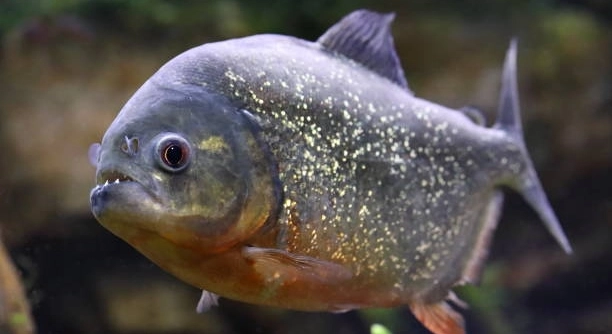
Are your piranhas suddenly surfing on the glass of their tank? This unusual behavior can be surprising for any fishkeeper. Understanding why it happens is important to keep your fish healthy and happy.
Piranha glass surfing usually indicates stress, poor water quality, or insufficient tank conditions. These fish may exhibit this behavior when they feel uncomfortable or threatened by their environment, signaling a need for immediate attention to their habitat.
Knowing what causes glass surfing and how to respond can improve your piranhas’ well-being. The following information will help you identify the problem and make the necessary changes to their tank environment.
Causes of Piranha Glass Surfing
Glass surfing happens when piranhas repeatedly swim along the walls of their tank, often rubbing or scraping against the glass. This behavior is usually a sign of stress. Stress can come from many factors such as poor water quality, overcrowding, or lack of hiding spots. Piranhas are territorial fish and need enough space to feel secure. If the tank is too small or has too many fish, they can become agitated. Another cause is improper water parameters like incorrect temperature, pH levels, or high ammonia and nitrite concentrations. These conditions make piranhas uncomfortable and can lead to glass surfing. In some cases, boredom or lack of stimulation can also cause this behavior. Providing a proper environment with clean water and enough space helps reduce stress and keeps the fish calm. Regular monitoring of water quality and tank conditions is key to preventing glass surfing.
Poor water quality is often the main reason behind this behavior.
Keeping the tank clean by performing regular water changes and checking filtration helps maintain good water conditions. Using test kits to monitor ammonia, nitrite, nitrate, and pH levels ensures the environment stays stable. Avoid overcrowding by following recommended stocking guidelines, and add plants or decorations to create hiding places. These steps reduce stress and encourage natural behavior. It is also important to maintain the right temperature, usually between 75-82°F (24-28°C) for piranhas. Observing your fish regularly allows you to spot changes in behavior early and address issues before they worsen. Proper care and attention can stop glass surfing and keep your piranhas healthy and comfortable in their tank.
What to Do When Your Piranha Is Glass Surfing
Start by testing the water quality immediately. If any levels are off, do a partial water change. Make sure the tank size is appropriate for your piranhas and reduce the number if overcrowded.
Once water quality is stabilized, focus on improving the tank environment. Add decorations like rocks, plants, or driftwood to provide hiding spots and reduce stress. If the tank lacks stimulation, try rearranging the decorations occasionally to keep the fish engaged. Ensure the temperature stays within the ideal range and that filtration is working properly. Feeding your piranhas a balanced diet also supports their health and reduces stress-related behaviors. Monitor them closely over the next few days. If glass surfing continues despite these changes, consider consulting a specialist to check for illness or injury. These steps help create a calm and healthy space for your piranhas to thrive.
Preventing Glass Surfing in Piranhas
Regular tank maintenance is crucial. Clean the tank weekly and change 20-30% of the water to keep conditions stable.
Stable water conditions prevent stress and reduce the chance of glass surfing. Keeping ammonia and nitrite at zero and nitrate low is essential. Check water temperature and pH regularly to ensure they stay within the ideal range for piranhas. Avoid overcrowding by keeping only the recommended number of fish in the tank. Adding decorations and plants gives piranhas places to hide, which makes them feel safer and less likely to surf the glass. Feeding a balanced diet also helps keep their health strong and behavior normal.
A healthy, well-maintained tank helps your piranhas feel comfortable and reduces stress. Consistency in cleaning, feeding, and monitoring water parameters creates a stable environment. This lowers the chance of stress-related behaviors like glass surfing. Watching your fish daily will help you catch problems early. By taking these steps, you protect your fish’s wellbeing and enjoy a peaceful aquarium.
Signs That Show Your Piranha Needs Attention
If your piranha is glass surfing, look for other signs like loss of appetite or hiding more than usual. These signs often point to stress or illness.
Changes in behavior such as rapid gill movement, clamped fins, or visible injuries also signal that your piranha needs help. Poor water quality can cause skin irritation and infections, making the fish more prone to rubbing against the tank walls. If these symptoms appear alongside glass surfing, immediate action is needed. Test the water, improve tank conditions, and consider consulting a vet if the fish’s health does not improve quickly. Catching these signs early can prevent more serious problems and help your piranha recover faster.
How to Improve Water Quality Quickly
Test the water immediately using reliable kits to check ammonia, nitrite, nitrate, and pH levels.
Perform a partial water change of 20-30% if any levels are outside the safe range to quickly improve conditions for your piranhas.
Feeding Tips to Reduce Stress
Feed your piranhas a varied diet that includes fresh, high-quality pellets, frozen or live foods like bloodworms and shrimp. This helps keep them healthy and less stressed.
Avoid overfeeding, which can pollute the tank and cause water quality to decline. Feed small amounts once or twice a day, removing leftovers promptly.
Importance of Tank Size
A tank that is too small causes stress and aggressive behavior in piranhas.
Provide at least 40 gallons for one piranha, increasing size with each additional fish to give enough swimming space.
When to Seek Professional Help
If your piranha’s glass surfing continues despite improvements, contact a fish health specialist or vet experienced with aquatic pets.
FAQ
Why is my piranha surfing the glass all day?
Piranhas surf the glass mainly because they are stressed or uncomfortable in their environment. Common reasons include poor water quality, lack of space, or not enough hiding places. It can also happen if the water temperature or pH is off. Watching your piranha’s behavior closely and checking the tank conditions will help you find the cause and fix it.
Can glass surfing hurt my piranha?
Yes, glass surfing can injure your piranha. When they rub or scrape against the glass, they risk damaging their fins or skin. This can lead to infections or open wounds. It’s important to address the behavior quickly to prevent physical harm and help your fish feel safe and calm.
How often should I change the water to stop glass surfing?
Changing 20-30% of the water once a week is usually enough to keep your tank clean and healthy. If your water tests show high ammonia, nitrite, or nitrate, do a water change immediately and then keep up with regular weekly changes. Good water quality helps reduce stress and stops glass surfing.
Is my tank too small for piranhas if they are glass surfing?
A small tank can cause stress and make piranhas glass surf. Each piranha needs at least 40 gallons of water, plus more space for each additional fish. Overcrowding leads to aggression and stress, which often causes this behavior. Make sure your tank size matches the number of fish you keep.
Can diet affect glass surfing?
Yes, diet affects your piranha’s health and behavior. Feeding poor-quality or insufficient food can cause stress and lead to glass surfing. A balanced diet with quality pellets and occasional live or frozen foods helps keep your piranha healthy and calm. Avoid overfeeding, as leftover food harms water quality.
What decorations help reduce glass surfing?
Adding plants, rocks, and driftwood gives piranhas places to hide and feel secure. These decorations reduce stress and make your fish less likely to surf the glass. Rearranging the tank decorations occasionally can also keep your fish interested and stimulated.
Can water temperature cause glass surfing?
Yes, water that is too cold or too warm stresses piranhas and can cause glass surfing. Piranhas do best between 75-82°F (24-28°C). Using a reliable heater and thermometer to keep the temperature stable prevents stress and keeps your fish comfortable.
How do I know if my piranha is sick?
Look for signs like loss of appetite, clamped fins, rapid breathing, or visible injuries. If your piranha is glass surfing and showing these symptoms, it may be sick or injured. Improving water quality is the first step, but if the problem continues, a vet visit is recommended.
Can glass surfing be caused by boredom?
Yes, piranhas can surf the glass if they are bored or lack stimulation. Providing a varied environment with hiding spots and regular tank rearrangements helps keep them mentally active and reduces this behavior. Feeding live or frozen foods can also add interest.
Is glass surfing a normal behavior for piranhas?
Glass surfing is not normal and usually means the fish is stressed or uncomfortable. Healthy piranhas swim calmly and explore their tank without repeatedly rubbing against the glass. Addressing tank conditions and fish care helps stop this abnormal behavior quickly.
What is the best way to stop glass surfing immediately?
The fastest way to stop glass surfing is to test and improve water quality, do a partial water change, and check tank size. Adding hiding places and stabilizing the temperature helps too. If the behavior persists, reducing stress by lowering tank crowding or consulting a specialist is important.
Can other fish in the tank cause my piranha to surf the glass?
Yes, aggressive or incompatible tank mates can stress piranhas and cause glass surfing. Piranhas are territorial and do best in tanks with similar-sized, non-aggressive fish or alone. Avoid mixing species that may harass or compete with your piranha.
How long does it take for piranhas to stop glass surfing after changes?
Once the cause is fixed, piranhas usually calm down within a few days to a week. Consistent good care, clean water, proper feeding, and a comfortable tank environment help them recover quickly. Patience and observation are key during this time.
Glass surfing in piranhas is a clear sign that something in their environment needs attention. It usually means your fish is stressed, uncomfortable, or possibly unwell. Stress can come from many sources like poor water quality, overcrowding, wrong water temperature, or lack of hiding places. When piranhas surf the glass, it is their way of showing discomfort. This behavior should not be ignored because it can lead to physical harm and health problems. The key is to find and fix the problem as soon as possible to keep your fish healthy and happy.
Maintaining a clean and stable tank is one of the best ways to prevent glass surfing. Regular water changes, checking water parameters like ammonia and pH, and ensuring the right temperature all help create a safe environment for piranhas. The size of the tank matters too—piranhas need enough space to swim and establish their territory. Decorations such as plants and rocks give them places to hide, which reduces stress. Feeding a balanced diet also supports their health and lowers the chances of unusual behavior. Consistency in these care routines goes a long way in keeping your fish calm and comfortable.
If glass surfing continues even after making changes, it might be a sign of illness or injury. In that case, consulting a fish health expert or veterinarian is important. Watching your piranhas daily helps you catch problems early before they get worse. Remember, piranhas are sensitive creatures that respond quickly to changes in their environment. By paying close attention and acting quickly, you can provide the best care for your fish. Keeping your piranhas safe and stress-free means a more enjoyable and rewarding aquarium experience for you.

Hello,
If you enjoy the content that we create, please consider saying a "Thank You!" by leaving a tip.
Every little bit helps us continue crafting quality advice that supports the health, happiness, and well-being of pets around the world, for pets of all shapes, sizes, and species.
We really appreciate the kindness and support that you show us!