
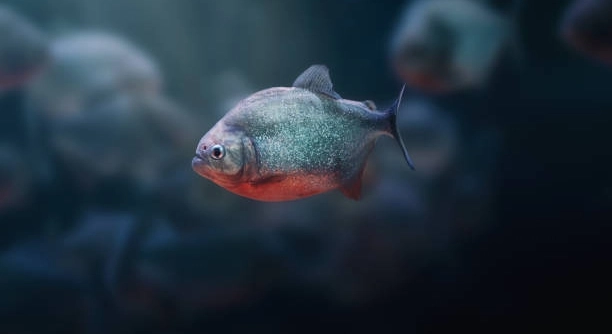
Are your piranhas showing signs of aggression toward each other, making it hard to keep peace in your aquarium setup at home?
To manage aggression between same-species piranhas, provide ample space, use hiding spots to break line of sight, maintain a consistent group size, and reduce environmental stressors. This creates a stable habitat that discourages territorial disputes and hostile behavior.
Understanding what triggers their aggression can help you build a safer environment and improve the overall wellbeing of your piranhas in shared tanks.
Understanding Why Piranhas Fight
Piranhas are naturally aggressive, especially when they feel stressed or threatened. In the wild, they use aggression to establish dominance and protect their space. When kept in a tank, the lack of space and stimulation can increase their tendency to fight. Aggression often happens between individuals of the same species, particularly when tank conditions are not ideal. Overcrowding, poor water quality, and imbalanced group sizes can quickly trigger territorial behavior. Sudden changes in temperature, light, or food availability may also make your piranhas more defensive or restless. Observing their interactions and identifying early signs of aggression like nipping, chasing, or hiding is important. These behaviors can quickly escalate if not managed properly. Providing a stable environment and being aware of their needs makes a difference. Addressing these issues early helps create a more peaceful and balanced tank, which benefits all the fish.
Stress is a major factor in aggressive behavior, and it builds quickly in confined or unstable conditions.
Use dividers, add dense plants, and create visual barriers to block direct sightlines. This prevents bullying and gives each piranha a sense of space. A proper tank setup helps reduce dominance struggles and gives them areas to retreat, lowering overall tension in the group.
Creating the Right Tank Setup
Piranhas need more space than many people expect. A crowded tank will increase aggression, especially as the fish mature.
A good tank setup starts with size. A group of five piranhas, for example, needs a tank of at least 100 gallons. This gives them room to swim freely without constantly running into each other. It’s best to avoid keeping them in even numbers, as it increases the chance of pairing and bullying. Odd numbers reduce that risk. Use dense, bushy plants and driftwood to break up the tank into zones. This setup allows weaker fish to retreat and reduces constant visual contact between dominant individuals. Keep the water clean, well-filtered, and within the ideal temperature range of 75–80°F. Feed them at the same time in different tank areas to avoid competition. Maintaining consistency is key. A stable environment helps reduce stress and gives your fish fewer reasons to fight. Be observant and adjust conditions as needed to prevent aggression before it starts.
Managing Group Dynamics
Group size plays a big role in aggression levels. Piranhas feel more secure in groups, but the size must be right to avoid conflict. An odd number helps reduce pairing and bullying behaviors.
Keeping at least five piranhas in one tank helps spread aggression more evenly. This prevents one fish from being constantly targeted. When there are too few fish, the stronger individuals are more likely to single out the weaker ones. Always monitor the group after introducing new fish, as this can shift the hierarchy. Rearranging the tank before adding a new fish can help disrupt territories and reduce tension. If one fish continues to act aggressively, consider isolating it temporarily. Observe feeding times closely since they can be a flashpoint for conflict. Feed them in multiple areas of the tank to minimize fights. Stability in the group dynamic is important for long-term peace.
Piranhas that don’t fit well within the group often become targets. Size mismatches can make some fish more vulnerable. Always select similarly sized individuals when forming a group. Be aware of any changes in behavior—like hiding or refusal to eat—as these might be signs of bullying. If aggression escalates, it may be necessary to rehome a particularly aggressive fish. Separating a problematic fish for a few days and reintroducing it after tank rearrangement can sometimes reset behaviors. It’s important to respond early to social imbalances so that the entire group does not become stressed or unstable. Observation and small changes can go a long way in maintaining a balanced, calm group.
Reducing Triggers and Preventing Injuries
Unstable tank conditions often cause aggression. Sudden changes in water temperature, lighting, or feeding times can start fights among piranhas. Keeping conditions consistent reduces stress and helps prevent injuries.
Use a heater with a reliable thermostat to maintain temperature, and avoid placing the tank near windows where sunlight can overheat the water. Keep lighting on a fixed schedule using a timer. Sudden changes in brightness may cause startled reactions and provoke attacks. Always feed them at the same time daily, and offer enough food to avoid competition. Watch for signs of injury like frayed fins or missing scales. If injuries appear, check water quality immediately, and isolate the injured fish if needed. Using aquarium salt can support healing. Clean wounds quickly become infected in poor water. Preventing injuries is easier than treating them, so keep up with your tank’s maintenance and routines. Small habits make a big difference.
When to Separate Aggressive Piranhas
If one piranha constantly chases, bites, or corners the others, it’s time to separate it. Prolonged aggression can lead to serious injury and stress throughout the tank, disrupting group harmony and increasing illness risks.
Use a tank divider or move the aggressive piranha to a separate tank. Allow time for the group to settle without constant threats. Temporary separation can reduce dominant behavior and sometimes reset social dynamics when reintroduced under controlled conditions.
Monitoring Recovery and Behavior Changes
After removing an aggressive fish or treating injured ones, monitor the tank closely. Watch for signs of healing or recurring problems. If bullying starts again, repeat separation or consider permanent rehoming. Recovery time varies depending on injuries and stress levels. Injured fish need clean water, low lighting, and minimal disturbance. Avoid adding new fish until the tank stabilizes. A quiet environment helps them heal without further pressure. Behavioral changes, like hiding less or returning to feeding routines, are signs they’re improving. Keeping records of behavior patterns can help you act faster next time and reduce risks of long-term damage to the group dynamic.
Tools That Can Help
Using a tank divider is a quick and low-stress way to manage aggression. Other helpful tools include hiding structures, extra filters, and floating plants for added cover.
FAQ
How many piranhas should I keep together to reduce aggression?
Keeping at least five piranhas together helps spread out aggressive behavior. A small group makes it easier for one fish to become the target, especially in a confined space. Larger groups often create a more balanced social dynamic. Odd numbers can also prevent tight pairings that isolate weaker individuals. Always monitor behavior after adding a new fish to make sure the group stays peaceful. Choosing fish of similar size and temperament can help prevent dominance issues. If one becomes too aggressive, it may need to be separated temporarily.
Can tank size affect aggression between same-species piranhas?
Yes, tank size has a strong impact. A cramped tank causes stress and leads to more territorial behavior. A group of five piranhas needs at least 100 gallons, with more space required for larger groups. The tank should be wide enough to let fish swim freely and establish personal space. Crowding increases the risk of injuries and can lead to death in some cases. Use plenty of hiding spots to give each fish a chance to retreat. A properly sized tank reduces pressure and keeps aggression levels lower overall.
What should I do if a piranha gets injured?
Move the injured piranha to a hospital tank if possible. Clean, warm water with minimal lighting will help it recover faster. You can also add aquarium salt to reduce infection risk. Avoid touching the fish unless necessary. Make sure the filter is gentle so it doesn’t stress the fish further. In the main tank, check for water quality issues and signs of bullying from other piranhas. Watch the group closely. Injured fish are more vulnerable and may be targeted again. Let the fish recover fully before considering reintroduction.
Can lighting affect aggression levels?
Yes, lighting can influence aggression. Sudden changes in light or very bright conditions may startle piranhas, causing them to react aggressively. Use a timer to maintain a regular light cycle. Dim lighting or shaded areas can help piranhas feel more secure and reduce stress. Avoid placing the tank where direct sunlight hits it, as this can create unpredictable temperature spikes. Floating plants or decorations can also soften lighting and offer safe spaces. Keeping things calm and predictable in the tank will lower the chance of conflict.
How do I feed piranhas without causing fights?
Feed piranhas at the same time each day and provide food in multiple areas. This spreads them out and reduces competition. Avoid underfeeding, as hunger increases aggression. Use tongs or feeding sticks if needed to control where the food lands. Frozen or live food should be portioned so all fish get a share. Stay near the tank during feeding to observe any signs of bullying or injury. Feeding time is when most fights happen, so watch closely. A consistent routine lowers stress and helps prevent violence.
Are some piranhas just naturally more aggressive?
Yes, some individual piranhas are more aggressive than others. Personality, size, and past experiences all play a role. If one fish continues to cause problems despite ideal tank conditions, it may simply be a poor fit for the group. These individuals may need long-term separation or rehoming. Keeping detailed records of behavior can help you identify patterns early. A peaceful group depends on balanced temperaments. Sometimes, reshuffling the environment or group members is the only way to calm things down.
How can I tell if a fish is being bullied?
Signs include torn fins, missing scales, refusal to eat, hiding for long periods, or staying near the surface or bottom. If a fish shows any of these signs, observe who interacts with it and how. Bullying often happens during feeding or at night. Adding more hiding spots or visual barriers can help. Sometimes, removing the bully is the only solution. Don’t ignore changes in behavior. Early action makes recovery easier and prevents further harm to the group.
What types of tank décor reduce aggression?
Use rocks, driftwood, artificial plants, and floating cover to break up sightlines. This reduces how often piranhas see each other and gives weaker fish space to hide. Avoid decorations with sharp edges, since injured fish are already vulnerable. Rearranging décor occasionally can reset territory claims. The goal is to create a layout that feels secure but still allows for swimming space. Spread out structures so all areas of the tank offer some cover. A well-designed tank helps reduce stress and conflict naturally.
Should I ever reintroduce a separated piranha?
Reintroduction can work if done slowly and carefully. Rearranging the tank first helps erase established territories. Float the separated fish in a container for a few hours so the group gets used to it again. Watch their behavior closely once released. If aggression returns, separation may need to be permanent. Some piranhas adapt after a break; others remain hostile. Each situation is different. It’s better to take your time and observe than rush and cause injury. Let the tank stabilize before adding more fish.
Why does aggression sometimes increase after cleaning the tank?
Sudden changes in water chemistry or décor can stress piranhas and shift group dynamics. Always clean gradually, replacing small amounts of water instead of doing full changes. Use dechlorinated water at the same temperature. Avoid major rearrangements all at once. Changes in smell or layout can trigger defensive behavior. After cleaning, watch the group more closely for a day or two. A consistent routine and gentle handling of the tank environment help prevent tension from rising after maintenance.
Final Thoughts
Keeping piranhas in the same tank can be rewarding, but it takes care and attention. These fish have natural behaviors that can lead to stress or aggression when their needs aren’t met. Choosing the right tank size, keeping water conditions stable, and providing enough space and hiding spots make a big difference. When piranhas feel safe, they tend to stay calmer. Watching how they interact is important, especially during feeding and after any changes in the tank. These small moments help catch problems early, before they grow worse.
Not all piranhas will behave the same way. Some may get along well in a group, while others prefer to be left alone. It’s important to notice how each fish reacts to its surroundings and to others. A fish that hides too much or refuses to eat may be stressed or getting picked on. Separation might be needed in some cases. On the other hand, some piranhas are simply more dominant and may not do well in groups, no matter what steps are taken. In those cases, long-term solo housing may be the best option.
There is no perfect setup that works for every situation. What works well for one tank may not work for another. It’s about keeping a close eye, staying consistent with care, and being ready to adjust when needed. Feeding properly, managing light, keeping water clean, and choosing the right decorations all play a role in creating a safer space. With patience and effort, it is possible to keep piranhas together without constant stress or injuries. Even though it takes work, the result is a tank that looks good and feels balanced, where each fish has a better chance to live in peace.

Hello,
If you enjoy the content that we create, please consider saying a "Thank You!" by leaving a tip.
Every little bit helps us continue crafting quality advice that supports the health, happiness, and well-being of pets around the world, for pets of all shapes, sizes, and species.
We really appreciate the kindness and support that you show us!