
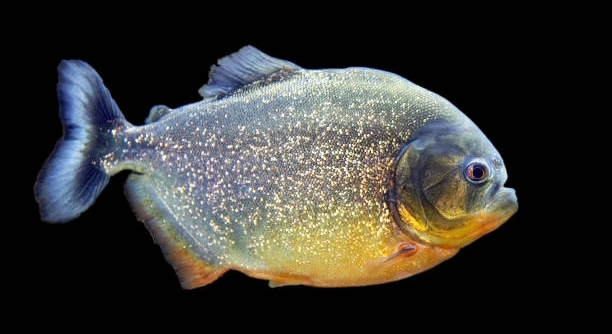
Water quality affects many living things and their daily activities. Clean and dirty water create very different environments. These differences can lead to changes in how animals and plants behave in each setting.
Seven key behaviors shift significantly between clean and dirty water environments. These include variations in feeding patterns, movement, communication, reproduction, and overall health. Understanding these changes highlights the impact of water quality on aquatic ecosystems and species survival.
Recognizing these behaviors helps us appreciate the importance of maintaining clean water sources. It also guides efforts to protect aquatic life and preserve natural habitats for the future.
Feeding Patterns Shift Between Clean and Dirty Water
Aquatic animals rely heavily on water clarity to find their food. In clean water, fish and other creatures can see their prey clearly, making hunting more efficient. Many species use sight and movement to detect food, so clear water supports their natural feeding behavior. In contrast, dirty or murky water limits visibility, forcing animals to adapt. Some may rely more on smell or touch to find food. Others might reduce feeding activity altogether because it becomes too difficult or risky to hunt. This change can affect growth rates and health over time. Plants in clean water often grow better because sunlight penetrates easily, helping photosynthesis. In dirty water, sediment blocks light, reducing plant growth and further impacting animals that depend on those plants for food. Overall, water clarity directly influences how aquatic life feeds and survives.
Limited visibility in dirty water leads to changes in how animals locate and consume food, affecting their growth and health.
Feeding adaptations to water quality reveal how aquatic species survive in less-than-ideal conditions. Some fish shift to scavenging or filter feeding, while others become less active to conserve energy. These changes ripple through the ecosystem, altering predator-prey relationships and affecting overall biodiversity. Understanding feeding patterns helps in managing water quality and protecting aquatic species.
Movement and Activity Levels in Different Water Qualities
Animals move differently depending on water conditions.
In clean water, movement tends to be more active and exploratory. Fish swim freely, exploring larger territories, searching for mates, or escaping predators with quick, agile motions. Clear water encourages more social behaviors and interactions. In dirty water, movement often slows down or becomes limited to smaller areas. Poor visibility makes animals cautious since they cannot easily detect threats. Sediment and pollutants can also physically obstruct movement or cause discomfort. Some species may reduce activity to save energy when hunting is difficult. Others might move more erratically if stressed. These changes can reduce feeding success and reproduction rates, affecting population sizes. Clean water environments support natural movement patterns, while dirty water forces species to adjust for survival, often at a cost to their overall health and ecosystem stability.
Communication Changes in Clean and Dirty Water
Communication among aquatic animals relies on clear signals. In clean water, sound travels efficiently, and visual signals are easy to detect. This helps with mating calls, warnings, and social interactions.
In dirty water, communication becomes difficult. Murky conditions interfere with visual cues, making it harder for animals to see each other. Sediment and pollutants can also muffle sounds or create background noise, disrupting acoustic signals. Some species may use alternative methods, such as chemical signals, but these are often less effective or slower. Impaired communication can reduce mating success and increase vulnerability to predators, impacting population health over time.
Some fish adjust by relying more on vibration detection or chemical cues when water clarity declines. However, these adaptations often cannot fully replace clear visual or acoustic communication. As a result, social behaviors and group coordination decline, which may weaken species survival and ecosystem balance.
Reproductive Behavior in Different Water Qualities
Reproduction depends heavily on environmental cues. Clean water provides stable conditions for spawning, fertilization, and growth of eggs and larvae. Clear water ensures oxygen levels and temperature remain within ideal ranges.
Polluted or dirty water disrupts reproductive cycles. Sediment and contaminants reduce oxygen availability and can physically cover eggs, preventing proper development. Toxic substances may cause deformities or lower fertility rates. Many species avoid spawning in poor-quality water, reducing reproductive success. For those that do reproduce, offspring survival rates drop significantly. This leads to fewer young reaching maturity, threatening population sustainability.
Fish and amphibians often select specific clean-water habitats for reproduction. When these areas degrade, they may be forced to spawn in suboptimal environments, increasing mortality. Protecting water quality is critical to maintaining healthy reproduction and ensuring the continuation of aquatic species.
Health and Stress Levels
Water quality directly affects the health of aquatic animals. Clean water supports strong immune systems and reduces the risk of disease.
In dirty water, pollutants and low oxygen increase stress and vulnerability to infections. Prolonged exposure can lead to chronic health problems and higher mortality rates.
Breathing and Oxygen Intake
Clean water typically contains higher oxygen levels, allowing fish and other aquatic animals to breathe easily. This supports active lifestyles and proper metabolic function.
Dirty water often has lower oxygen, caused by excess organic matter and pollutants. Reduced oxygen forces animals to slow down or surface more frequently, impacting their energy and survival.
Social Interaction
Social behaviors depend on clear water conditions. Fish and other creatures form groups and communicate better when visibility is good.
Poor water quality disrupts social bonds, leading to isolation or aggressive behaviors. This affects group safety and breeding success.
What causes the water to become dirty?
Water becomes dirty mainly due to pollution from human activities. Runoff from farms carries fertilizers and pesticides into streams and lakes. Industrial waste and untreated sewage also add harmful chemicals and bacteria. Natural events like heavy rains can stir up sediments, making the water murky. These factors combine to reduce water clarity and quality, affecting aquatic life.
How does dirty water affect fish behavior?
Dirty water limits visibility, making it harder for fish to find food and avoid predators. Fish often reduce movement to conserve energy when hunting becomes difficult. Communication through visual signals or sounds can be disrupted, which impacts mating and social interactions. Over time, this stress can reduce growth rates and reproduction success.
Can aquatic plants survive in dirty water?
Aquatic plants struggle in dirty water because sediment blocks sunlight needed for photosynthesis. Pollutants can also be toxic to many plant species. Reduced plant growth affects oxygen production and food availability for animals. Some hardy plants may survive, but overall biodiversity usually declines in polluted waters.
Why is oxygen level important in water?
Oxygen is essential for the survival of most aquatic organisms. It supports respiration, energy production, and metabolic processes. Clean water typically has higher oxygen levels due to better circulation and fewer pollutants. Dirty water with excess organic matter and chemicals often has reduced oxygen, forcing animals to breathe harder or move less to conserve energy.
How does water quality influence reproduction in aquatic animals?
Clean water provides stable conditions for spawning, fertilization, and growth of eggs and larvae. Polluted water often contains toxins and sediments that can suffocate eggs or cause deformities. Many species avoid spawning in poor-quality water, leading to lower reproductive rates and fewer offspring surviving to adulthood.
Are some species more adaptable to dirty water?
Yes, some species tolerate poor water conditions better than others. These species may use alternative feeding strategies or rely more on senses other than sight. However, adaptability has limits. Even tolerant species suffer from long-term exposure to pollutants and low oxygen. This reduces population health and can lead to declines over time.
How does water clarity affect animal communication?
Clear water allows visual and acoustic signals to travel efficiently, supporting mating calls, warnings, and social interactions. In murky water, these signals weaken or become distorted. Animals may try to use chemical cues, but these are often slower or less reliable. Reduced communication can lower mating success and increase risks from predators.
What can be done to improve water quality?
Improving water quality involves reducing pollution sources like agricultural runoff, industrial discharge, and untreated sewage. Protecting wetlands and riparian zones helps filter contaminants before they reach water bodies. Regular monitoring and cleanup efforts also support healthier aquatic ecosystems. Public awareness and sustainable practices play key roles in maintaining clean water.
How do changes in aquatic behavior affect ecosystems?
Behavior changes in feeding, movement, and reproduction alter predator-prey dynamics and population sizes. Reduced plant growth lowers oxygen and food availability. Disrupted communication and social behaviors weaken species survival. These shifts decrease biodiversity and ecosystem resilience, making aquatic environments less stable and productive.
Is water quality linked to human health?
Yes, poor water quality can impact human health directly and indirectly. Contaminated water sources increase risks of disease and reduce the availability of clean drinking water. Declining aquatic ecosystems also affect fisheries and recreational activities. Maintaining clean water benefits both wildlife and human communities.
Water quality plays a crucial role in shaping the behaviors of aquatic animals. Clean water supports natural activities such as feeding, movement, communication, and reproduction. When water remains clear and well-oxygenated, animals can hunt efficiently, interact socially, and reproduce successfully. Healthy aquatic plants also thrive in clean water, providing food and oxygen that support the entire ecosystem. In contrast, dirty or polluted water disrupts many of these behaviors. Limited visibility, lower oxygen levels, and harmful substances force animals to adapt in ways that often reduce their chances of survival. These changes not only affect individual species but also the balance of the entire aquatic environment.
Behavioral shifts caused by poor water quality have long-term effects on aquatic populations. Reduced feeding efficiency can stunt growth and weaken animals, while impaired communication and social interaction can lower reproduction rates. When species struggle to reproduce or avoid predators, population numbers decline. This decline impacts the food chain and overall biodiversity. Additionally, unhealthy plants and animals contribute less oxygen to the water, which further worsens conditions. Over time, ecosystems exposed to dirty water become less stable and less able to support diverse life forms. Maintaining clean water is therefore essential to preserving aquatic ecosystems and their inhabitants.
Efforts to protect water quality are vital for sustaining healthy aquatic behaviors and environments. Reducing pollution from agriculture, industry, and sewage can improve water clarity and oxygen levels. Restoring natural buffers like wetlands also helps filter contaminants. By understanding how water quality affects behavior, it becomes clear why clean water is important beyond just appearance. It supports the basic needs and survival of aquatic animals and plants. Protecting these ecosystems benefits biodiversity and the broader environment. Continued attention to water quality is necessary to ensure the long-term health and balance of aquatic life.

Hello,
If you enjoy the content that we create, please consider saying a "Thank You!" by leaving a tip.
Every little bit helps us continue crafting quality advice that supports the health, happiness, and well-being of pets around the world, for pets of all shapes, sizes, and species.
We really appreciate the kindness and support that you show us!