
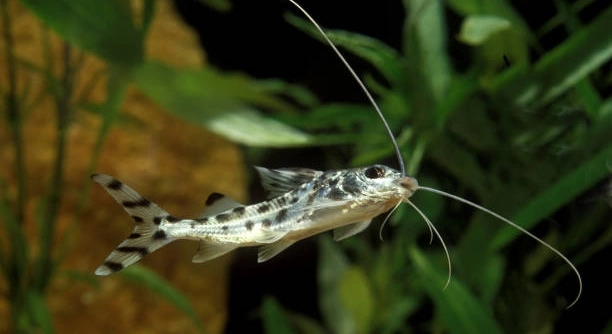
Many fish owners notice their Pictus Catfish swimming in circles and wonder what it means. This behavior can be concerning because it is unusual compared to their normal swimming patterns. Understanding the reasons behind this can help keep your fish healthy and comfortable.
Pictus Catfish swimming in circles is often caused by stress, illness, or environmental factors such as poor water quality or injury. It can also indicate neurological issues or parasites affecting their balance and behavior.
Recognizing these signs early is important for taking the right steps to improve your fish’s well-being and avoid more serious problems.
Common Causes of Circular Swimming in Pictus Catfish
Pictus Catfish swimming in circles can happen for several reasons. One common cause is poor water quality. High levels of ammonia or nitrites stress the fish, affecting their behavior. Another reason can be an infection or parasite affecting the brain or nervous system, which makes swimming difficult to control. Injury to the fins or body might also cause them to swim unevenly. Sometimes, overcrowded tanks or aggressive tank mates create stress, leading to unusual movements. Even sudden changes in temperature or pH can upset their balance. It is important to regularly check your tank’s conditions and observe your fish closely. Catching problems early can prevent the behavior from worsening and keep your Pictus Catfish healthy and comfortable.
Stress, illness, and poor water quality are the main triggers for this behavior. Monitoring these factors is key.
If you notice your catfish swimming in circles, start by testing your water for ammonia, nitrites, and nitrates. Make sure the temperature and pH levels fit the recommended range for Pictus Catfish. Inspect the fish for signs of injury, parasites, or unusual spots. Isolate the affected fish if possible to reduce stress and prevent spreading infections. Consider improving tank filtration and performing partial water changes. If the behavior persists, consult an aquatic veterinarian for diagnosis and treatment options. Proper care and attention can help your catfish regain normal swimming behavior quickly.
How to Improve Your Fish’s Environment
Creating a calm and stable environment is essential. A clean tank with proper filtration helps keep water parameters safe. Avoid overcrowding and aggressive species that might stress your Pictus Catfish. Stable temperature and pH reduce stress and improve fish health. Regular maintenance is necessary to keep your tank balanced.
Improving the environment starts with clean, stable water conditions and peaceful tank mates.
To create the best environment for your Pictus Catfish, use a reliable water test kit to keep track of ammonia, nitrites, nitrates, pH, and temperature. Maintain a temperature between 74°F and 79°F and a pH around 6.5 to 7.5. Perform regular water changes to remove waste and toxins. Choose tank mates that are peaceful and won’t bother your catfish. Providing hiding places like plants or decorations can help reduce stress by giving your fish a safe retreat. Avoid sudden changes in lighting or water conditions, as these can upset your fish. Consistent care and a well-maintained tank support healthy behavior and reduce the chances of your catfish swimming in circles.
Signs of Illness in Pictus Catfish
When a Pictus Catfish swims in circles, illness is often involved. Other signs may include loss of appetite, faded color, or unusual spots. Watching for these symptoms helps identify health problems early.
Illnesses such as bacterial infections, parasites, or swim bladder issues can affect movement. Parasites like ich cause irritation and abnormal behavior. Swim bladder problems disrupt buoyancy, making swimming uneven or circular. Bacterial infections can weaken the fish, leading to erratic swimming. Observing your catfish closely and noting any other symptoms can guide you in providing proper care or treatment. Early detection improves the chances of recovery and prevents worsening conditions.
Treating these illnesses usually involves improving water quality and adding medications if needed. Always follow dosage instructions carefully and isolate sick fish to prevent spreading infections. Consistent monitoring is important during treatment.
When to Seek Professional Help
If your Pictus Catfish continues swimming in circles despite improving tank conditions and treatment, professional help may be needed. Persistent symptoms often require expert diagnosis.
A veterinarian experienced with fish can provide tests to determine specific infections or neurological problems. Some conditions need prescription medications or specialized care. Early consultation prevents complications and improves outcomes. If your fish shows severe distress, such as lethargy or gasping at the surface, seeking advice quickly is critical. Professionals can guide you on the best treatment plan to help your catfish recover.
Preventing Circular Swimming in Your Pictus Catfish
Keeping the tank clean and stable is the best way to prevent circular swimming. Regular water tests and partial water changes are essential.
Avoid overcrowding and sudden changes in water conditions. Providing a peaceful environment helps your fish stay healthy and swim normally.
Diet and Nutrition Impact
A balanced diet supports overall health and proper brain function in Pictus Catfish. Poor nutrition can weaken their immune system and affect behavior. Feeding high-quality sinking pellets and occasional live or frozen foods provides necessary nutrients. Avoid overfeeding to prevent water pollution, which stresses fish and may lead to unusual swimming.
Tank Setup Tips
Use gentle filtration to maintain clean water without creating strong currents. Add hiding spots to reduce stress and encourage natural behavior.
Recognizing Stress in Pictus Catfish
Stress can cause erratic swimming, including circling. Watch for signs like hiding, rapid breathing, or loss of color.
FAQ
Why is my Pictus Catfish swimming in circles suddenly?
Sudden circular swimming often points to stress or illness. Changes in water quality, temperature, or pH can upset your fish quickly. It might also be a sign of injury or infection affecting balance. Check your tank conditions and inspect your fish carefully to identify any issues.
Can poor water quality cause circular swimming?
Yes, poor water quality is a common cause. High ammonia, nitrite, or nitrate levels damage fish health and nervous systems, leading to strange behaviors like swimming in circles. Regular water testing and partial water changes are key to preventing this.
Is swimming in circles always a sign of illness?
Not always, but illness is often involved. Stress, injury, or swim bladder problems can also cause this behavior. If your fish swims in circles briefly but otherwise seems fine, watch closely for other symptoms to decide if treatment is needed.
How do I test my water quality?
Use an aquarium water test kit to check ammonia, nitrite, nitrate, pH, and hardness. These kits are easy to use and give quick results. Maintaining safe levels helps keep your Pictus Catfish healthy and prevents behavioral problems.
What should I do if my fish is sick?
Isolate the sick fish to prevent spreading infection. Improve water quality and consider using medication recommended for the diagnosed illness. Always follow dosage instructions and monitor your fish’s progress carefully during treatment.
Can tank mates cause my catfish to swim in circles?
Yes, aggressive or territorial tank mates can stress your Pictus Catfish, causing abnormal swimming. Choose peaceful companions and ensure enough space and hiding places for all fish.
How can diet affect my fish’s swimming?
A poor diet weakens your fish’s immune system and energy levels, which can lead to erratic swimming. Feed a varied diet of high-quality pellets and occasional live or frozen foods. Avoid overfeeding to keep water clean and fish healthy.
Are swim bladder problems common in Pictus Catfish?
Swim bladder issues can occur and affect buoyancy, causing swimming in circles or difficulty maintaining balance. These problems may result from infection, injury, or poor diet. Proper care and treatment can help resolve swim bladder disorders.
How long does it take for a fish to recover from this behavior?
Recovery time varies depending on the cause and treatment. If water quality improves and mild illness is treated, fish may return to normal within days to weeks. More serious conditions require longer care and possibly professional help.
When should I see a vet for my fish?
Seek veterinary advice if your Pictus Catfish continues swimming in circles after improving tank conditions and treatment. Severe symptoms like lethargy, gasping, or visible injury also require professional attention. Early intervention improves recovery chances.
Can stress cause circular swimming without illness?
Yes, stress alone can cause abnormal swimming. Loud noises, sudden lighting changes, overcrowding, or aggressive tank mates create stress. Reducing these factors helps your fish feel safe and swim normally again.
Is it safe to medicate fish without a diagnosis?
Medicating without knowing the exact problem can harm your fish and the tank environment. It’s best to identify the issue through observation, water testing, or consulting a vet before starting treatment.
What are good hiding spots for Pictus Catfish?
Plants, caves, driftwood, and aquarium decorations offer shelter and reduce stress. Pictus Catfish are nocturnal and appreciate shaded areas to rest during the day.
Can changes in temperature cause swimming problems?
Yes, sudden or extreme temperature changes can shock fish, affecting their nervous system and swimming. Keep the tank temperature stable within the recommended range for your species.
How often should I clean my tank?
Regular maintenance involves weekly partial water changes of about 20-30%. Clean filters monthly but avoid full tank cleanings that disturb beneficial bacteria. Consistent care keeps water safe and fish healthy.
What signs show my Pictus Catfish is stressed?
Stress signs include hiding, loss of appetite, rapid breathing, faded color, and unusual swimming like circling. Addressing causes early prevents illness and promotes wellbeing.
Can parasites cause circular swimming?
Parasites like ich or flukes irritate fish and affect balance, leading to strange swimming. Treatment requires specific medications and improved tank hygiene.
How big should my tank be for Pictus Catfish?
A minimum of 55 gallons is recommended because these fish grow large and need space to swim freely. Larger tanks also help maintain stable water conditions.
Do Pictus Catfish need companions?
They are social fish and do best in groups of at least three. Companionship reduces stress and encourages natural behavior, but avoid aggressive tank mates.
Is sudden circling different from constant circling?
Yes, brief circling might be caused by temporary stress or irritation. Constant circling often indicates serious health or neurological issues needing attention.
What can I do to reduce stress in my aquarium?
Keep water clean and stable, provide hiding spots, avoid sudden changes, and choose peaceful tank mates. Minimizing noise and vibrations also helps fish stay calm.
How do I improve swim bladder health?
Feed a balanced diet with fiber, avoid overfeeding, and maintain excellent water quality. If swim bladder issues appear, isolate the fish and consider veterinary treatment.
Are there any natural remedies for stress?
Adding aquarium salt (according to species needs) and using live plants can help reduce stress. Always research safety before trying new treatments.
How important is lighting for Pictus Catfish behavior?
They prefer dim or subdued lighting since they are nocturnal. Bright lights can cause stress and erratic swimming.
Can water flow affect swimming?
Strong currents may tire or disorient Pictus Catfish, causing unusual swimming patterns. Use gentle filtration to mimic their natural environment.
Swimming in circles is a clear sign that your Pictus Catfish might be facing some problems. It is important to watch your fish carefully and notice any other changes in behavior or appearance. Sometimes, circular swimming happens because of stress, poor water quality, or illness. By paying close attention to these signs, you can act quickly to help your fish. Taking steps like testing your water regularly and keeping the tank clean can make a big difference. A healthy tank means a healthier fish that swims normally and looks vibrant.
When your Pictus Catfish starts swimming in circles, it often shows something is off inside the tank or with the fish itself. Stress can come from many places like aggressive tank mates, sudden changes in water, or overcrowding. Illnesses like infections or parasites may also cause this behavior. Making sure the water conditions are right and stable is a good first step. It is also important to feed your fish a balanced diet and provide places where it can hide and feel safe. These things reduce stress and support your fish’s overall health. If you try these changes and the problem continues, it may be time to get advice from a professional.
Keeping your Pictus Catfish happy and healthy takes consistent care. Regular water tests, good filtration, and a peaceful tank environment all play key roles. If your fish swims in circles, it is a sign to check your tank and fish carefully. Sometimes, the problem can be fixed easily, but other times it may need special treatment. Watching your fish every day and knowing what is normal helps you catch problems early. With patience and proper care, your Pictus Catfish can return to normal swimming and enjoy a good life in your aquarium.

Hello,
If you enjoy the content that we create, please consider saying a "Thank You!" by leaving a tip.
Every little bit helps us continue crafting quality advice that supports the health, happiness, and well-being of pets around the world, for pets of all shapes, sizes, and species.
We really appreciate the kindness and support that you show us!