
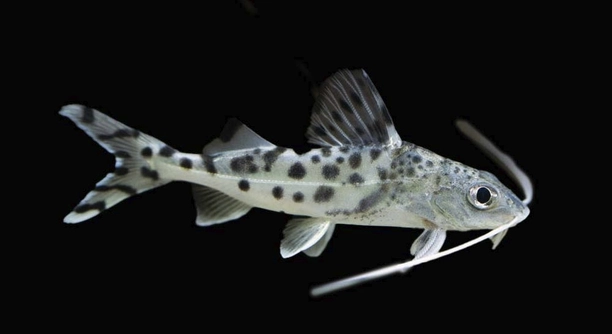
Pictus catfish are popular aquarium fish known for their active and social behavior. Many fish keepers notice how these catfish respond to movements around their tank. Their reactions often make owners wonder about their awareness.
Pictus catfish possess sensory adaptations that allow them to detect vibrations and changes in water pressure. These abilities enable them to sense nearby presence without relying on sight, confirming their capacity to tell when someone is close to their environment.
Understanding how pictus catfish perceive their surroundings can improve care and interaction. Their unique sensory world offers insight into fish behavior beyond simple observation.
How Pictus Catfish Detect Movement Around Them
Pictus catfish have long, sensitive barbels around their mouths. These barbels help them explore their environment by touch and taste, but they also serve as important sensory tools to detect nearby movements. When someone approaches the tank, vibrations travel through the water and are picked up by these barbels. Additionally, pictus catfish have a lateral line system running along their sides, which detects changes in water pressure caused by motion. This allows them to sense even subtle movements outside the tank, making them very alert to their surroundings. Their eyesight is adapted to low light, so while they can see, they mostly rely on these tactile and pressure senses to recognize when someone is near. This sensitivity helps them feel secure and respond quickly to changes, whether it’s a person nearby or other tank inhabitants moving around.
These sensory features make pictus catfish particularly responsive to activity close to their aquarium. They do not depend solely on vision.
Recognizing these detection methods is helpful for anyone caring for pictus catfish. By understanding how these fish sense movement, you can better anticipate their behavior. Approaching the tank slowly can prevent startling them. It also explains why they often swim to the front when you are nearby, seemingly aware of your presence even if you are still.
The Importance of Environment for Pictus Catfish Behavior
The environment inside the tank plays a major role in how pictus catfish react to nearby presence. If their habitat is well-structured with hiding spots and stable water conditions, they feel more comfortable and less stressed. Comfortable fish are more likely to be curious and show natural behaviors, such as exploring when you approach. On the other hand, if the tank is bare or has poor water quality, pictus catfish may become nervous or hide more often. A stable and enriched environment encourages them to interact with their surroundings, including recognizing when someone is close.
Keeping the tank environment calm and familiar helps pictus catfish respond positively to nearby movement. It supports their overall health and natural behavior.
A well-maintained tank encourages pictus catfish to be more active and alert. They become more engaged with their environment, responding gently rather than with fear. This balance is essential for their well-being and can strengthen the connection between the fish and the observer. When the environment feels safe, these catfish show clearer signs of sensing you near, often swimming closer and appearing more interested in what is happening outside the tank. This natural response adds to the enjoyment of keeping pictus catfish as pets.
How Pictus Catfish Use Their Senses
Pictus catfish mainly rely on their barbels and lateral line to detect movements and vibrations in the water. These tools allow them to be aware of nearby activity even without clear sight.
These barbels act like touch sensors, helping the fish feel changes in water currents caused by motion outside the tank. The lateral line runs along the sides of their body and detects shifts in water pressure, allowing the fish to sense when something approaches. Together, these senses make pictus catfish alert and responsive to nearby movement, helping them stay aware and safe.
Even though their eyesight is limited, pictus catfish combine these sensory systems to get a good understanding of their environment. This combination ensures they can detect people or other creatures around them without needing to see directly. Their sensory abilities help them react quickly and confidently to changes near the tank.
Interaction With Owners and Their Environment
Pictus catfish often swim toward the front of the tank when someone is nearby, showing their awareness. This behavior can be a sign of curiosity or recognition of routine activity.
They can become more comfortable with regular, gentle interaction, associating a person’s presence with feeding or care. Over time, they may learn to recognize the owner’s movements and even respond by swimming closer or showing more activity. This interaction improves their well-being by encouraging natural behavior. The fish become less startled and more engaged in their environment, creating a smoother experience for both owner and fish.
Signs Pictus Catfish Show When They Notice You
Pictus catfish may swim closer to the glass or flick their fins when they detect someone nearby. These subtle movements show their awareness and curiosity without being overly bold.
They might also pause and stay still, focusing on the source of the movement. This alert posture helps them assess any potential changes in their environment.
How to Approach Your Pictus Catfish
Approach the tank slowly and calmly to avoid startling the fish. Sudden movements can cause stress or make them hide, reducing interaction.
Regular, gentle presence helps pictus catfish feel safe and more likely to respond positively to your approach. Consistency is key in building trust with these fish.
Training and Conditioning Pictus Catfish
Pictus catfish can learn to associate your presence with feeding times. Repeated exposure to your movements followed by food encourages this recognition.
Over time, they may swim to the front when you come near, showing they expect interaction. This simple conditioning can improve your bond with them and make feeding more enjoyable.
Final Thoughts on Pictus Catfish Awareness
Their sensory abilities allow pictus catfish to detect nearby activity effectively. This awareness is part of their natural behavior and helps them stay alert.
FAQ
Can pictus catfish see me through the glass?
Pictus catfish have limited eyesight and do not rely heavily on vision. They can detect shapes and movements but mostly depend on their barbels and lateral line to sense activity. This means they might notice you nearby but not clearly see detailed images through the glass.
How do pictus catfish react to sudden movements?
Sudden movements often startle pictus catfish. Because they are sensitive to vibrations and pressure changes, quick actions near the tank may cause them to dart away or hide. Approaching slowly helps reduce stress and encourages calmer behavior.
Do pictus catfish recognize their owners?
While they don’t recognize people like pets such as dogs or cats, pictus catfish can become familiar with regular patterns and routines. They may associate your presence with feeding or care, responding by swimming closer or showing interest when you approach.
Is it normal for pictus catfish to come to the front of the tank when I’m near?
Yes, this is a common behavior. Pictus catfish often swim forward when they sense someone nearby, usually because they expect feeding or attention. This shows they are alert and somewhat curious about activity around them.
Can pictus catfish be trained to respond to me?
To a degree, yes. By consistently approaching the tank before feeding, they can learn to associate your presence with food. This conditioning can result in them swimming closer when you are near, making feeding time more interactive.
Why do my pictus catfish sometimes freeze when I am close?
Freezing is a natural response to assess potential threats. When they detect movement, pictus catfish may pause to better sense vibrations and pressure changes. This cautious behavior helps them decide if they need to hide or stay calm.
What senses do pictus catfish use most to detect me?
They mainly use their barbels and lateral line system. The barbels sense touch and taste, while the lateral line detects water movement and pressure changes. These combined senses allow pictus catfish to notice nearby activity without relying on vision.
Does lighting affect how well pictus catfish can see me?
Pictus catfish have better vision in low light, as they are nocturnal and adapted to dim environments. Bright lights may make them less active or encourage hiding. In darker settings, their vision complements their other senses, helping them detect movement.
Can loud noises outside the tank affect pictus catfish behavior?
Yes, loud noises create vibrations that travel through the water. Pictus catfish are sensitive to these changes and may react by becoming startled, hiding, or swimming erratically. Keeping the environment calm helps reduce stress.
How does tank setup impact my pictus catfish’s awareness of me?
A well-structured tank with plants and hiding spots allows pictus catfish to feel secure. When comfortable, they are more likely to show natural behavior, including responding calmly to your presence. A bare or unstable environment can make them more nervous and less interactive.
Should I try to touch my pictus catfish to get their attention?
Touching pictus catfish is not recommended as it can stress them. Instead, gentle movements outside the tank or feeding cues work better to gain their attention without causing harm or fear.
Do pictus catfish communicate their awareness to other fish?
While they do not communicate like mammals, their reactions can signal nearby movement to other tank inhabitants. Quick swimming or fin flicking may alert other fish, helping the group respond to changes in their environment.
Can pictus catfish live without recognizing movement around them?
Movement detection is essential for their survival instincts. Without sensing nearby activity, they might not respond to potential threats or feeding opportunities. Their sensory systems are key to maintaining safety and normal behavior in the tank.
How often should I interact with my pictus catfish to keep them accustomed to my presence?
Regular, calm interactions such as feeding and tank maintenance help pictus catfish get used to you. Daily exposure without sudden movements builds trust and comfort, encouraging them to be more responsive and less shy over time.
Are pictus catfish more active when they detect someone nearby?
Yes, they often become more alert and may swim actively when sensing movement. This behavior shows their awareness and curiosity, especially if they associate your presence with feeding or activity in the tank.
Pictus catfish are fascinating fish with unique ways of sensing their surroundings. Their ability to detect movement nearby is mostly due to their sensitive barbels and lateral line system. These features allow them to pick up vibrations and changes in water pressure, helping them stay aware of what is happening around them. Unlike animals that rely mostly on eyesight, pictus catfish use these senses to monitor their environment, making them alert even if they cannot clearly see who or what is near. This natural ability helps keep them safe in their habitat.
Understanding how pictus catfish sense nearby movement is helpful for anyone who cares for them. Knowing that these fish respond to vibrations and pressure changes rather than clear vision can explain their behavior. For example, when they swim to the front of the tank as someone approaches, it shows they are aware of the movement but not necessarily seeing the person. Approaching the tank slowly and calmly respects their sensitivity and reduces stress. When pictus catfish feel safe and comfortable, they are more likely to display natural behaviors, including responding to your presence in a calm way.
Creating a good environment for pictus catfish is important to support their sensory needs and overall health. A tank with hiding spots and stable water conditions helps them feel secure and less stressed. This encourages them to be more active and engaged, allowing you to observe their natural responses to nearby movement. Regular, gentle interaction, such as feeding times, can build a simple connection where the fish recognize routine patterns. While pictus catfish do not recognize people in the same way as some pets, they do become familiar with the presence and habits of their owners. This understanding can make caring for pictus catfish a more rewarding experience.

Hello,
If you enjoy the content that we create, please consider saying a "Thank You!" by leaving a tip.
Every little bit helps us continue crafting quality advice that supports the health, happiness, and well-being of pets around the world, for pets of all shapes, sizes, and species.
We really appreciate the kindness and support that you show us!