
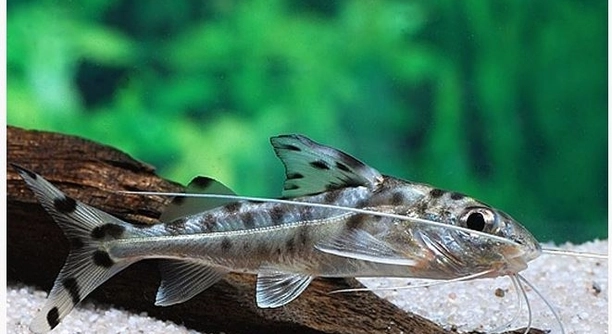
Is your Pictus catfish suddenly ignoring its food and leaving you puzzled? Many fish owners notice this unexpected behavior and wonder what might be causing their pet to lose interest in eating. It can be concerning when a usually active fish stops responding to food.
Pictus catfish may ignore food due to stress, poor water quality, illness, or changes in their environment. These factors affect their appetite and behavior, making it important to assess tank conditions and the fish’s health promptly.
Understanding these reasons can help you improve your catfish’s well-being and restore its appetite. This article will guide you through the common causes and practical solutions.
Common Causes for a Pictus Catfish Ignoring Food
Several factors can make a Pictus catfish lose interest in eating. One major reason is poor water quality. If the tank water has high levels of ammonia, nitrites, or nitrates, the fish can become stressed and stop eating. Changes in temperature or pH can also affect their appetite. Illness is another reason. Parasites, bacterial infections, or internal problems can reduce hunger. Stress caused by overcrowding, sudden changes in tank setup, or aggressive tank mates can lead to food refusal. Sometimes, a Pictus catfish might not recognize the food if it is new or unfamiliar. Lastly, overfeeding can cause the fish to lose interest because they feel full or bored with the same food. Regular monitoring and maintenance are essential to keep your catfish healthy and willing to eat.
Water quality and tank environment are often the biggest factors influencing your catfish’s eating habits. Keep an eye on these to help your fish feel comfortable.
If your Pictus catfish ignores food, start by testing the water parameters and checking for signs of illness or stress. Improving water quality and adjusting the environment can often bring back its appetite. Avoid overfeeding and try offering different types of food, like sinking pellets or live foods, to see if it responds better. Sometimes, patience is needed as the fish adjusts to changes or recovers from illness.
How to Encourage Your Pictus Catfish to Eat
Changing feeding habits can help stimulate your catfish’s appetite. Offering fresh or live food like bloodworms or brine shrimp often sparks interest. Feeding smaller amounts more frequently can prevent food waste and keep the fish curious about mealtime. Avoid sudden changes in diet and introduce new food gradually. Keep the tank environment stable, with proper temperature and clean water. Observing your catfish during feeding times can also help you spot issues early. If the fish seems shy, feeding in low light or using a feeding ring may encourage it to eat. Lastly, maintaining a consistent feeding schedule helps create a routine the catfish can rely on.
Small adjustments in feeding and tank care can make a big difference in your fish’s behavior and health.
Feeding your Pictus catfish the right diet and creating a calm environment will improve its chances of eating regularly. Experiment with different food types and feeding times while ensuring the tank conditions are optimal. Consistency and care are key to helping your catfish regain its appetite and thrive in its home.
Tank Conditions to Watch
Poor tank conditions often cause a Pictus catfish to stop eating. Dirty water or wrong temperature can stress your fish quickly.
Keeping water clean and stable is essential. Regular water changes help remove waste and toxins that build up. The temperature should stay between 74°F and 79°F, as fluctuations can confuse the fish. Check pH levels; Pictus catfish prefer slightly acidic to neutral water (6.5–7.5). Too much light or noise can also stress them. Avoid overcrowding, since too many fish compete for space and food, which lowers appetite. Good filtration and aeration maintain healthy oxygen levels, which your catfish needs to feel comfortable and eat well.
If tank conditions are poor, even the best food won’t tempt your catfish. Focus on clean, stable water and a peaceful environment to support its appetite and overall health.
Illness Signs and When to Act
A sick Pictus catfish may stop eating early in its illness. Watch for changes in behavior or appearance, like hiding, faded colors, or clamped fins. These signs often mean the fish needs attention.
Illnesses like infections, parasites, or internal problems reduce appetite. It’s important to isolate the fish if you suspect disease to prevent spreading. Test water quality first since poor conditions can cause symptoms similar to sickness. If problems persist, consult a vet or an experienced aquarist. Treatments may include medicated food or water additives. Early action improves recovery chances, so don’t wait too long if your catfish’s eating habits change drastically.
Recognizing illness signs early helps protect your fish and restore its health before the condition worsens.
Feeding Schedule Importance
A regular feeding schedule helps your Pictus catfish know when to expect food. This routine encourages consistent eating habits and reduces stress. Feeding at the same times each day creates a sense of security for your fish.
Avoid overfeeding by sticking to measured portions. Overfeeding can cause water pollution and reduce appetite. It also leads to health issues like obesity or swim bladder problems. Feeding once or twice daily with small amounts is usually enough for adult Pictus catfish.
Food Variety Benefits
Offering different types of food keeps your catfish interested and ensures balanced nutrition. Mixing pellets, frozen, and live food mimics their natural diet and can improve appetite.
Changing the diet regularly prevents boredom and encourages your catfish to eat better. This variety also supplies essential nutrients needed for health and vitality.
Lighting and Environment Effects
Bright lights or sudden changes in the environment can make your catfish shy away from food. Keeping lighting low and consistent helps reduce stress during feeding times.
A calm environment with hiding spots makes your Pictus catfish feel safe and more likely to eat regularly.
FAQ
Why is my Pictus catfish hiding and not eating?
Hiding is often a sign of stress or illness in Pictus catfish. When stressed, they retreat to safe spots and may refuse food. Check water quality, tank mates, and environmental changes. Illness can also cause hiding. Ensuring clean water, proper temperature, and a peaceful tank usually helps.
How long can a Pictus catfish go without eating?
Healthy adult Pictus catfish can survive for up to two weeks without food, but this is not ideal. Prolonged fasting weakens their immune system and slows recovery from stress or illness. If your catfish stops eating for more than a few days, investigate tank conditions and health.
Can poor water quality cause loss of appetite?
Yes. Poor water quality is one of the main reasons Pictus catfish stop eating. High ammonia, nitrites, or nitrates cause stress and discomfort. Regular water tests and maintenance are essential to keep water safe. Performing water changes and cleaning filters help maintain appetite.
What foods are best for encouraging a picky Pictus catfish to eat?
Try offering live or frozen foods like bloodworms, brine shrimp, or daphnia. These are natural and stimulate hunting behavior. High-quality sinking pellets or wafers designed for bottom feeders also work well. Introducing new food slowly helps the fish adjust without stress.
Is overfeeding a problem for Pictus catfish?
Yes. Overfeeding leads to poor water quality, obesity, and reduced interest in food. Leftover food rots and pollutes the tank. Feed small portions once or twice a day, enough for your fish to finish in a few minutes. This prevents waste and keeps your catfish healthy.
How do tank mates affect my Pictus catfish’s appetite?
Aggressive or fast-feeding tank mates can scare or outcompete your Pictus catfish, making it stop eating. Choose peaceful fish that share similar feeding habits. Providing hiding spots and feeding areas can reduce competition and stress during feeding times.
Can temperature changes cause appetite loss?
Yes, Pictus catfish prefer stable temperatures between 74°F and 79°F. Sudden changes can stress them and reduce appetite. Use a reliable heater and thermometer to maintain a consistent temperature and avoid drafts or direct sunlight on the tank.
What should I do if my catfish refuses food for several days?
First, test water parameters and clean the tank if needed. Observe for illness signs like discoloration or lethargy. Try offering live or different types of food in small amounts. If no improvement occurs within a week, consider consulting an aquatic veterinarian or experienced aquarist.
Does lighting affect feeding behavior?
Bright or fluctuating lighting can stress your Pictus catfish and reduce feeding. Keep lighting low or use dim lights during feeding. A dark environment with hiding spots helps the fish feel safe and more willing to eat.
Can stress from handling or moving cause my catfish to stop eating?
Yes. Stress from moving, handling, or sudden environment changes can cause appetite loss. Allow time for your Pictus catfish to adjust after any disturbance. Minimize handling and maintain stable tank conditions to support recovery.
A Pictus catfish ignoring its food can feel worrying, but it is often a sign that something in its environment or health needs attention. These fish are sensitive to changes in water quality, temperature, and tank conditions. Maintaining clean, stable water with the right temperature and pH is key to helping your catfish feel comfortable and ready to eat again. Small adjustments in care can make a big difference in encouraging a healthy appetite.
Stress is another common reason your Pictus catfish may stop eating. This can come from aggressive tank mates, overcrowding, or sudden changes in the tank setup. Providing plenty of hiding spaces and keeping the tank peaceful can help reduce stress and make your fish feel secure. Offering a variety of foods, including live or frozen options, can also stimulate interest and encourage feeding, especially if the fish seems bored or picky.
If your catfish refuses food for several days despite good water conditions and a calm environment, it could be a sign of illness. Observing other signs such as changes in color, behavior, or physical appearance is important. Early detection and treatment can prevent serious health problems. Remember, patience and consistent care are important when helping your Pictus catfish regain its appetite. Keeping a close eye on tank conditions and your fish’s behavior will support its long-term health and happiness.

Hello,
If you enjoy the content that we create, please consider saying a "Thank You!" by leaving a tip.
Every little bit helps us continue crafting quality advice that supports the health, happiness, and well-being of pets around the world, for pets of all shapes, sizes, and species.
We really appreciate the kindness and support that you show us!