
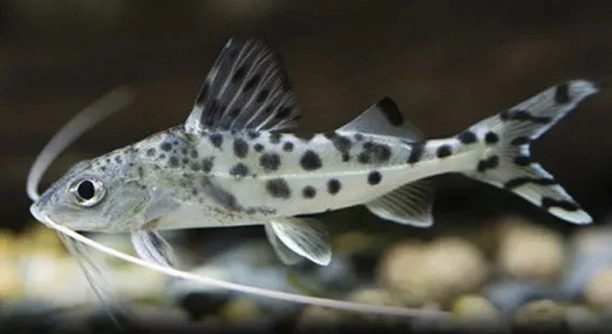
Do you ever wonder how Pictus Catfish behave with other fish that live at the bottom of the tank? Many aquarium owners want to create a peaceful environment for all their fish, especially those sharing the same space near the substrate. Understanding the social habits of these catfish helps in setting up a harmonious tank.
Pictus Catfish generally get along well with other bottom dwellers when the tank is large enough and hiding spots are available. They prefer peaceful companions and avoid aggressive species, making them compatible with many similar bottom-dwelling fish.
Learning about their interactions can help you keep your aquarium calm and balanced. The right setup and careful fish selection are key to their coexistence.
Pictus Catfish Behavior Around Other Bottom Dwellers
Pictus Catfish are active and social fish that usually do well with other bottom dwellers. They are known to be peaceful and rarely show aggression, but they do enjoy having enough space to swim and explore. When housed with similar-sized or slightly larger bottom fish, Pictus tend to coexist without problems. However, overcrowding can cause stress and territorial disputes. It’s important to provide plenty of hiding places like caves, plants, and driftwood, so each fish can feel secure. Their active nature means they often swim in groups, which helps reduce tension with other species. Since Pictus Catfish are sensitive to water conditions, maintaining a clean, well-filtered tank also contributes to a calm environment. Pairing them with aggressive or very large bottom dwellers may lead to conflicts, so compatibility is key.
Providing enough room and a balanced mix of species makes sharing the bottom of the tank smoother for Pictus Catfish.
When setting up your tank, consider the temperament and size of all bottom dwellers. Avoid aggressive fish and those that may outcompete Pictus for food or territory. Regular observation will help you catch any early signs of stress or conflict.
Choosing Compatible Bottom Dwellers
Selecting tank mates that fit the peaceful nature of Pictus Catfish is essential for a stable aquarium. Fish like Corydoras, Otocinclus, and smaller Plecos usually work well together. Avoid large, territorial catfish that might bully or chase Pictus. Slow-moving bottom fish that don’t compete aggressively for food are better choices. Monitoring fish behavior over time can ensure peaceful coexistence.
It’s best to research each species’ needs before adding them to your aquarium to avoid surprises.
Compatibility depends on more than just species; factors like tank size, layout, and feeding habits play a role too. Even peaceful bottom dwellers need space to claim their own spots, so a crowded tank can increase stress and cause tension. A spacious tank with a variety of hiding spots keeps peace intact. Feeding methods also matter — slow feeders and fast feeders can conflict, so use multiple feeding zones if needed. With careful planning and observation, you can build a diverse community where Pictus Catfish and other bottom dwellers thrive side by side.
Feeding Habits of Pictus Catfish and Other Bottom Dwellers
Pictus Catfish are nocturnal feeders, preferring to eat when the tank is dim or dark. They mainly scavenge for leftover food on the substrate and enjoy sinking pellets or live foods like bloodworms. Their feeding style is quick and active.
Other bottom dwellers may have different feeding habits. Corydoras, for example, feed slowly and nibble on tiny bits of food, while Plecos often graze on algae or wood. This difference helps reduce direct competition during feeding times. Offering a variety of food types and feeding in different tank areas can prevent conflicts and ensure all fish get their share. Pictus Catfish appreciate a diet high in protein, but balanced feeding is important to avoid overfeeding.
Observing feeding behaviors regularly allows you to adjust the feeding routine and avoid stress or food aggression among bottom dwellers.
Tank Size and Environment for Multiple Bottom Dwellers
A larger tank is better for housing Pictus Catfish with other bottom dwellers. At least 30 gallons gives enough space for movement and hiding spots. Crowded tanks often lead to aggression and stress, so space is a priority.
Proper tank setup is key. Include plenty of plants, caves, and decorations that create separate territories. This reduces competition and helps shy fish feel secure. Clean water and stable conditions keep all species healthy. Regular maintenance prevents buildup of waste, which can cause problems for sensitive bottom dwellers like Pictus. Keeping compatible fish in a well-planned tank environment supports peaceful coexistence and long-term health.
Common Signs of Stress in Pictus Catfish
Stress in Pictus Catfish often shows as hiding more than usual or losing their usual activity level. They may also stop eating or swim erratically. These behaviors indicate that something in their environment might be off.
Checking water quality, tank mates, and hiding spaces can help identify causes of stress. Prompt changes improve their well-being quickly.
Avoiding Aggression Between Bottom Dwellers
Aggression usually comes from overcrowding or incompatible tank mates. Keeping enough space and choosing peaceful species helps reduce conflict. Providing multiple hiding spots also lowers territorial disputes.
Importance of Water Quality for Bottom Dwellers
Clean, stable water conditions are crucial for Pictus Catfish and other bottom dwellers. Poor water quality leads to stress, illness, and sometimes aggression. Regular water changes and monitoring parameters like ammonia and nitrate keep fish healthy and calm.
Best Tank Mates for Pictus Catfish
Choosing peaceful and similarly sized bottom dwellers is key to a harmonious tank. Avoid large, aggressive fish that might intimidate Pictus or compete too aggressively for food.
Do Pictus Catfish get along with other bottom dwellers?
Yes, Pictus Catfish generally coexist peacefully with other bottom-dwelling fish. They are social and prefer calm companions that don’t show aggression. However, the tank should be large enough with plenty of hiding spaces to reduce competition. Aggressive or overly territorial species should be avoided to maintain harmony.
Can Pictus Catfish live with Corydoras?
Pictus Catfish and Corydoras can live well together. Both species are peaceful bottom dwellers, but Corydoras tend to be smaller and feed slowly. Pictus Catfish are more active and fast-moving, which usually doesn’t disturb Corydoras. Just ensure there is enough space and food for both species to prevent stress.
What tank size is ideal for Pictus Catfish with other bottom fish?
A minimum of 30 gallons is recommended when keeping Pictus Catfish with other bottom dwellers. This size allows enough swimming room and space for multiple hiding spots. Larger tanks reduce territorial conflicts and stress, especially when housing several bottom-dwelling species together.
Are Pictus Catfish aggressive towards other bottom dwellers?
Pictus Catfish are typically non-aggressive but may show mild territorial behavior if the tank is overcrowded or lacks hiding places. Providing a spacious tank with plenty of cover helps minimize any aggressive tendencies and supports peaceful interactions.
What are signs of stress in Pictus Catfish?
Signs include hiding more than usual, refusing food, erratic swimming, or lethargy. These behaviors often result from poor water quality, aggressive tank mates, or insufficient hiding spaces. Regular observation and maintaining good tank conditions are key to preventing stress.
How often should I feed Pictus Catfish with other bottom dwellers?
Feeding once or twice daily is sufficient. Pictus Catfish prefer protein-rich foods like sinking pellets or bloodworms. Feeding in multiple areas helps reduce competition among bottom dwellers. Avoid overfeeding to maintain water quality and fish health.
Can Pictus Catfish live with large, aggressive bottom fish?
It’s not advisable. Large or aggressive species may bully or harm Pictus Catfish, causing stress or injury. Stick to peaceful, similar-sized bottom dwellers to ensure a calm tank environment.
What water conditions do Pictus Catfish prefer?
Pictus Catfish thrive in clean, well-oxygenated water with a temperature between 72°F and 78°F. pH should be slightly acidic to neutral, around 6.5 to 7.5. Regular water changes and proper filtration are important to keep conditions stable.
How important are hiding spots for Pictus Catfish?
Very important. Hiding spots like caves, plants, and driftwood provide security and reduce stress. They help prevent conflicts by allowing fish to claim territories and retreat when needed, promoting peaceful coexistence.
Can Pictus Catfish live alone?
While they can survive alone, Pictus Catfish are social and prefer being kept in groups of at least three. Groups reduce stress and encourage natural behavior, making the fish more active and healthy.
What other fish species are compatible with Pictus Catfish?
Good companions include Corydoras, Otocinclus, smaller Plecos, and peaceful mid-to-top dwelling species. Avoid aggressive or very large fish to prevent stress and territorial disputes.
How to reduce aggression in a tank with Pictus Catfish?
Ensure adequate tank size and plenty of hiding spots. Avoid overcrowding and incompatible species. Feeding in multiple locations and maintaining clean water also helps reduce stress-induced aggression.
Do Pictus Catfish compete for food with other bottom dwellers?
They can compete if food is limited, especially with slower feeders. Offering a varied diet and feeding in several areas ensures all fish get enough food without stress.
What are common health issues when keeping Pictus Catfish with other bottom dwellers?
Stress from aggression or poor water conditions can lead to illness. Watch for signs like faded color, lethargy, or abnormal swimming. Regular water tests and tank maintenance prevent many problems.
Is it okay to mix Pictus Catfish with shrimp or snails?
Shrimp and snails can live with Pictus Catfish, but small shrimp might be seen as food. Larger species or those that hide well tend to do better. Monitor interactions carefully.
How to introduce new bottom dwellers to a tank with Pictus Catfish?
Introduce new fish slowly and monitor behavior. Quarantine new additions to prevent disease spread. Rearrange decorations if needed to reset territories and reduce aggression.
Can Pictus Catfish tolerate brackish water?
Pictus Catfish prefer freshwater and do not tolerate brackish conditions well. Keep them in stable freshwater environments for best health.
Do Pictus Catfish need special care when kept with other bottom dwellers?
They require clean water, proper tank size, and peaceful companions. Pay attention to their diet and behavior to spot any problems early. Special care mostly means good maintenance and thoughtful stocking.
Pictus Catfish are generally peaceful fish that can live well with other bottom dwellers if their needs are met. They like having enough space to swim and explore, and plenty of hiding spots to feel safe. When the tank is set up properly, with calm companions and clean water, Pictus Catfish tend to get along well with others at the bottom of the tank. They are active at night and enjoy hunting for food, which makes them interesting to watch. Understanding their behavior helps create a better environment for all the fish in the tank.
Choosing the right tank mates is important for maintaining peace in the aquarium. Pictus Catfish do best with other peaceful fish that are similar in size and temperament. Fish like Corydoras and smaller Plecos usually make good companions because they don’t compete aggressively for food or space. Large or aggressive bottom dwellers should be avoided because they can cause stress and sometimes injury to the Pictus Catfish. Providing enough room and hiding places helps reduce competition and gives each fish a spot to call their own. This leads to a healthier and more relaxed tank environment.
Keeping the water clean and stable is another key factor in the well-being of Pictus Catfish and their tank mates. Regular water changes and good filtration prevent harmful waste buildup and keep water parameters within a safe range. Stress caused by poor water quality or overcrowding can lead to illness and unwanted behavior. Watching the fish closely for signs of stress, such as hiding or refusing food, allows for quick action to fix problems. With proper care, a well-planned tank can support Pictus Catfish living happily alongside other bottom dwellers, creating a peaceful and balanced aquarium.

Hello,
If you enjoy the content that we create, please consider saying a "Thank You!" by leaving a tip.
Every little bit helps us continue crafting quality advice that supports the health, happiness, and well-being of pets around the world, for pets of all shapes, sizes, and species.
We really appreciate the kindness and support that you show us!