
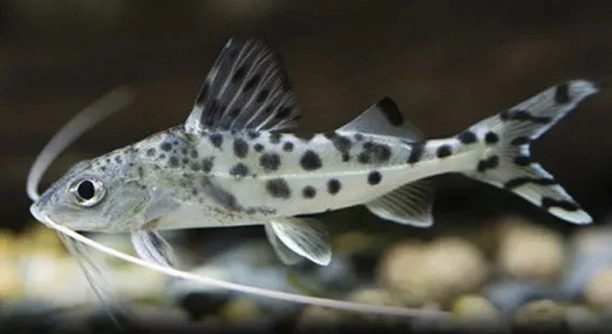
Feeding your pictus catfish at the right times can support their natural habits and overall well-being. Proper feeding helps maintain a healthy environment and encourages positive behavior in your aquatic pets. This article explores the best feeding schedule for them.
Research shows that feeding pictus catfish multiple small meals throughout the day aligns with their natural foraging behavior. Spreading feeding times helps prevent overeating and reduces waste, contributing to healthier fish and a cleaner tank environment.
Understanding the ideal feeding times will improve your pictus catfish’s health and keep their behavior balanced in your aquarium. This knowledge helps create a comfortable and thriving habitat for them.
Early Morning Feeding
Feeding pictus catfish early in the morning helps mimic their natural feeding habits. In the wild, they often search for food during dawn when the water is cooler and predators are less active. Providing food at this time encourages their natural foraging behavior and stimulates their activity after resting. Feeding early also allows the fish to digest the food during the day when they are more active. Offering small portions prevents leftover food from polluting the tank. Many aquarists find that morning feeding sets a healthy routine, keeping the fish energetic and interested in their environment. It’s best to use sinking pellets or live foods to cater to their bottom-feeding nature. Consistency in feeding time helps reduce stress and supports their overall well-being.
Feeding early promotes activity and digestion while maintaining a clean tank environment.
Maintaining a calm, stable morning feeding routine can positively influence your pictus catfish’s behavior throughout the day. It helps balance their metabolism and encourages them to explore the tank, reducing lethargy and promoting a healthy lifestyle.
Midday Feeding Benefits
Midday feeding can support your pictus catfish’s energy needs during their most active period. Providing food around this time ensures they have enough nutrients to stay active and alert, which is essential for healthy behavior. Midday meals should be moderate in size to prevent overfeeding and maintain water quality. It also allows for regular monitoring of their health and activity levels.
Feeding at midday can reinforce their natural activity rhythm.
Spacing out meals with a midday feeding aligns with their biological rhythms and reduces aggressive behavior caused by hunger. It also allows aquarists to observe any changes in appetite or signs of illness during the day. For pictus catfish, this feeding time supports balanced nutrition without overwhelming their digestive system. Offering a variety of food types like bloodworms or brine shrimp can add dietary variety and boost their interest. This practice contributes to a cleaner tank, as uneaten food breaks down less frequently when meals are properly timed. Overall, midday feeding is a strategic way to maintain a healthy environment and support your fish’s behavior patterns.
Evening Feeding Routine
Feeding pictus catfish in the evening supports their natural nocturnal activity. They tend to forage more as daylight fades, making this feeding time crucial for their well-being. A light meal helps prepare them for the night.
Evening feeding should be smaller than daytime meals to avoid leftover waste in the tank overnight. Using sinking foods works best since pictus catfish are bottom feeders. This schedule mimics their wild behavior and helps keep them calm and active after sunset. Avoid overfeeding to maintain water quality and reduce stress. A consistent evening feeding also signals the end of the day, supporting their internal clock.
Feeding at night encourages natural foraging instincts. It helps your pictus catfish maintain good health and activity without disrupting tank cleanliness. This routine benefits both the fish and the aquarium environment.
Night Feeding Considerations
Nighttime feeding is important but should be carefully controlled to prevent uneaten food accumulation. Offering very small portions ensures the fish get nutrition without harming water quality. This feeding time reflects their crepuscular nature, active in low light.
Too much food at night can cause water pollution and stress fish health. Use sinking pellets or live foods sparingly. It’s better to feed just enough to satisfy their hunger. Night feeding also promotes natural behavior and keeps your pictus catfish engaged during their most active period. Regular monitoring of food intake helps adjust portions if needed.
Keeping night feedings minimal supports a balanced ecosystem in your aquarium. Proper portion control prevents overfeeding while encouraging healthy nocturnal activity. This practice supports long-term tank stability and fish well-being.
Mid-Afternoon Snack
Offering a small mid-afternoon snack helps keep your pictus catfish energized between main feedings. It prevents hunger and supports steady activity throughout the day.
This snack should be light and easy to digest, such as bloodworms or finely crushed pellets. Avoid large portions to maintain tank cleanliness.
Feeding Frequency Importance
Regular feeding intervals are key to maintaining healthy behavior in pictus catfish. Feeding too often can cause overeating and poor water quality, while too little feeding can lead to stress and malnutrition. Ideally, feeding them three to four times a day with balanced portions keeps their metabolism steady and behavior stable. Consistent feeding times create a predictable routine, reducing anxiety and encouraging natural foraging habits. Varying food types within these feedings provides essential nutrients and keeps them interested. Monitoring their response to feeding schedules helps adjust portions and timing for optimal health and behavior.
Late Night Feeding
Late-night feeding should be avoided or kept very minimal. Overfeeding at this time risks water quality and can disrupt fish rest cycles.
How often should I feed my pictus catfish?
Feeding pictus catfish three to four times a day in small portions is ideal. This schedule matches their natural feeding patterns and prevents overfeeding. Spreading meals throughout the day helps keep their metabolism steady and supports healthy behavior. Avoid feeding large amounts at once to reduce leftover food and maintain clean water.
What type of food is best for pictus catfish?
Sinking pellets are best since pictus catfish feed at the bottom. Live or frozen foods like bloodworms, brine shrimp, and daphnia add variety and nutrients. Avoid flakes or floating foods that may not reach them effectively. Mixing different types keeps their diet balanced and encourages natural foraging.
Can I feed them once a day?
Feeding pictus catfish only once a day is not recommended. They thrive on multiple smaller meals because it mimics their wild behavior. One large feeding can lead to overeating, poor digestion, and water quality issues. Small, frequent meals support better health and activity.
What happens if I overfeed my pictus catfish?
Overfeeding leads to uneaten food sinking to the tank bottom and decomposing. This increases harmful toxins like ammonia, stressing the fish and encouraging algae growth. It can cause lethargy, illness, and poor water quality. Always feed only what they can consume in a few minutes.
Is it okay to feed pictus catfish at night?
Feeding at night should be minimal and controlled. Pictus catfish are more active during low light, but too much food overnight can pollute the water. Small portions encourage natural nocturnal foraging without harming tank conditions. Observe your fish and adjust feeding accordingly.
How do I know if my pictus catfish is getting enough food?
Healthy pictus catfish stay active, show interest in food, and maintain a good body condition. If they beg aggressively or seem thin, they may need more food. If they ignore food or the tank becomes dirty quickly, you may be overfeeding. Monitor behavior closely.
Can feeding times affect pictus catfish behavior?
Yes, consistent feeding times create routine and reduce stress. Irregular feeding can cause anxiety and aggressive behavior. Feeding at natural times—morning, midday, evening—supports their internal clock. This leads to calmer, more predictable behavior and overall well-being.
Should I fast my pictus catfish occasionally?
Occasional fasting, about once a week, can help regulate digestion and prevent overfeeding. This practice mimics natural periods without food in the wild. Do not fast for more than 24 hours to avoid stressing your fish. Fasting days should be planned carefully.
What foods should be avoided for pictus catfish?
Avoid feeding bread, flakes that float on top, or processed human food. These do not meet their nutritional needs and can pollute the tank. Also, avoid feeding large pieces that are difficult to eat. Stick to sinking pellets and appropriate live or frozen foods.
How can I prevent feeding aggression among pictus catfish?
Feeding smaller portions more often helps reduce competition. Spread food evenly across the tank bottom to prevent fights. Avoid overfeeding, as leftover food may lead to territorial disputes. Keeping a consistent feeding schedule also lowers stress and aggression.
Is it necessary to vary feeding times?
Maintaining a consistent feeding schedule is more important than varying times. Predictability reduces stress and supports natural rhythms. Changing feeding times frequently can confuse fish and disrupt behavior. Small adjustments can be made gradually if needed for specific circumstances.
Can feeding schedule impact tank cleanliness?
Yes, feeding frequency and amount directly affect water quality. Properly timed, small meals reduce uneaten food and waste buildup. Overfeeding causes excess debris, leading to poor water conditions and health problems. Regular feeding with proper portions helps maintain a clean tank.
What role does feeding play in pictus catfish health?
Feeding at appropriate times and with balanced portions supports digestion, energy levels, and immune function. It prevents obesity, reduces stress, and promotes natural behavior. Consistent feeding routines also make it easier to spot illness or changes in appetite early.
How do I adjust feeding for juvenile pictus catfish?
Juveniles need more frequent feeding than adults, usually four to five times daily. Their smaller stomachs require smaller portions but more often to support growth. Use finely crushed pellets or small live foods. As they grow, gradually reduce feeding frequency.
What should I do if my pictus catfish refuses food?
Refusal to eat can indicate stress, illness, or poor water quality. Check tank conditions, temperature, and water parameters first. Try offering different food types or feeding at a quieter time. If refusal continues, consider consulting a veterinarian or experienced aquarist.
Are there signs that my feeding schedule needs changing?
If your pictus catfish shows constant hunger, aggressive behavior, or poor water quality, feeding portions or frequency may need adjustment. Also, lethargy or weight loss suggests inadequate feeding. Regular observation helps fine-tune the schedule for optimal health.
Can I feed pictus catfish alongside other fish species?
Yes, but be mindful of different feeding habits. Pictus catfish prefer bottom feeding, so ensure they get food after more aggressive top feeders have eaten. Adjust feeding times and portions to suit all species without causing competition or stress.
How long should feeding sessions last?
Feeding sessions should be brief, usually lasting 3 to 5 minutes. This ensures fish eat fresh food quickly and reduces leftover waste. Remove uneaten food promptly to maintain water quality and prevent health issues.
Is feeding frequency affected by tank size?
Tank size influences how much food can be safely introduced. Larger tanks can handle more food, but portion control is still essential. Smaller tanks require careful feeding to avoid rapid water quality decline. Feeding frequency generally remains consistent regardless of tank size.
Feeding pictus catfish at the right times and in appropriate amounts plays a crucial role in keeping them healthy and happy. Their natural behavior involves searching for food throughout the day and night, so spreading out small meals fits their needs better than large, infrequent feedings. Sticking to a consistent feeding schedule helps reduce stress and encourages natural activity, which leads to better overall well-being. Careful portion control also protects water quality by minimizing leftover food that can pollute the tank. When feeding pictus catfish, it is important to choose foods suited to their bottom-feeding habits, such as sinking pellets or live foods like bloodworms and brine shrimp. These provide balanced nutrition and keep the fish interested in their meals.
The best feeding times for pictus catfish are early morning, midday, and evening, with small snacks in between to keep their energy steady. Feeding at night can be done, but only with very small amounts to avoid water contamination. Consistency in timing reinforces their internal biological clock and supports healthy behavior. It is important to observe your fish’s response to feeding routines and adjust portions if needed. Overfeeding can cause serious problems, including poor water quality and unhealthy fish, while underfeeding can lead to stress and malnutrition. Feeding three to four times a day with moderate portions generally works well for most pictus catfish, but juvenile fish may require more frequent meals.
Keeping your pictus catfish healthy requires attention to feeding habits, portion size, and timing. Providing balanced meals regularly supports their metabolism, natural behavior, and immune system. A well-maintained feeding schedule also makes it easier to monitor your fish’s health and detect early signs of illness or stress. Remember that each tank is different, so adjustments might be needed based on your specific environment and fish activity. Feeding pictus catfish thoughtfully benefits both the fish and the aquarium, creating a stable, thriving habitat. By following these feeding guidelines, you can enjoy watching your pictus catfish behave naturally and live healthily.

Hello,
If you enjoy the content that we create, please consider saying a "Thank You!" by leaving a tip.
Every little bit helps us continue crafting quality advice that supports the health, happiness, and well-being of pets around the world, for pets of all shapes, sizes, and species.
We really appreciate the kindness and support that you show us!