
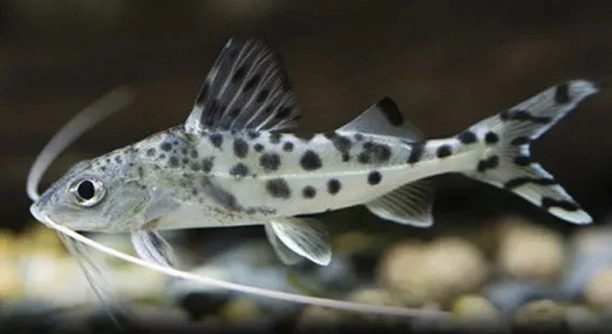
Is your Pictus catfish refusing to eat all week? It can be worrying when a usually active fish suddenly loses interest in food. Understanding the possible reasons behind this behavior is important for its health.
A Pictus catfish may avoid food due to stress, illness, poor water quality, or changes in its environment. Identifying these factors early helps prevent serious health problems and supports the fish’s recovery and well-being.
Learning about these common causes will help you respond effectively and keep your catfish healthy and comfortable in its tank.
Common Causes of Food Avoidance in Pictus Catfish
When your Pictus catfish stops eating, it’s often due to environmental stress or health issues. Poor water quality is one of the top reasons. High levels of ammonia, nitrites, or nitrates can make fish uncomfortable and reduce their appetite. Temperature fluctuations also affect their feeding habits. Pictus catfish prefer stable, slightly cooler water around 75-80°F (24-27°C). Stress from overcrowding or aggressive tank mates can cause hiding and food refusal. Illnesses, such as bacterial or parasitic infections, can also lead to appetite loss. Watching for other signs like lethargy or abnormal swimming helps detect sickness early. Lastly, changes in lighting or feeding schedule can confuse the fish, making them skip meals. Checking each of these factors regularly ensures your fish remains healthy and eager to eat.
It is important to test water parameters and observe your fish’s behavior closely during feeding times.
Proper tank maintenance and stable conditions are key to encouraging regular feeding habits in your Pictus catfish.
How to Improve Feeding Habits
Start by ensuring the water quality is optimal and stable. Frequent water testing and partial water changes can maintain a healthy environment. Feed your catfish small amounts at consistent times daily. Avoid overfeeding, as leftover food pollutes the water and discourages eating. Consider offering a variety of foods, including sinking pellets, frozen bloodworms, or live brine shrimp, to attract their interest. Make sure the tank has enough hiding spots and a calm atmosphere, so your catfish feels secure during feeding. Observe your fish for any signs of illness and separate it if needed to provide treatment. Improving these conditions gradually can help your catfish regain appetite and thrive in your care.
Identifying Signs of Illness in Pictus Catfish
Loss of appetite often comes with other signs of illness. Look for unusual swimming patterns, such as floating near the surface or hiding excessively. Physical changes like faded colors, spots, or torn fins are also common indicators. Increased mucus or labored breathing can signal infection.
If your Pictus catfish shows signs of illness, it’s important to act quickly. Check water parameters first and isolate the fish if necessary. Treating common infections early increases chances of recovery. Medication should be appropriate for freshwater fish and used according to instructions. Keeping the tank clean and maintaining stable conditions helps prevent further stress during treatment.
Observing your catfish daily helps catch early signs of health problems. Prompt action can save your fish from worsening conditions and improve its chances of returning to normal feeding habits.
The Role of Tank Environment in Feeding Behavior
A stable tank environment is essential for healthy feeding behavior in Pictus catfish. Sudden changes in temperature, lighting, or water chemistry cause stress, which reduces appetite. Overcrowded tanks increase competition and fear, making fish avoid food. Pictus catfish also need plenty of hiding spots and gentle water flow to feel secure.
Maintaining a clean, well-filtered tank with consistent conditions creates a comfortable habitat. Providing areas with subdued lighting and hiding places helps reduce stress. Avoid frequent rearrangement of decorations or changing water parameters abruptly. Proper tank setup supports natural feeding patterns and overall health, encouraging your catfish to eat regularly and thrive in its environment.
Adjusting Feeding Techniques for Pictus Catfish
Feeding your Pictus catfish at the right time can improve its appetite. They tend to eat more during low light, such as early morning or evening. Offering food slowly and in small amounts helps prevent waste and encourages eating.
Using sinking pellets or live foods can be more appealing. Avoid overfeeding to keep the tank clean and reduce stress on your fish.
Signs Your Catfish Needs Medical Attention
If your catfish refuses food for more than a week and shows signs like rapid breathing or swollen body parts, professional treatment may be needed. Prolonged appetite loss often signals serious illness or injury.
Preventing Future Food Avoidance
Regular tank maintenance and monitoring water quality are crucial. Keeping stress low by avoiding sudden changes helps maintain healthy feeding behavior.
When to Seek Help
If you notice worsening symptoms or no improvement after adjusting care, consult a vet specializing in fish health immediately.
FAQ
Why is my Pictus catfish avoiding food but still swimming actively?
Sometimes, Pictus catfish stop eating due to mild stress or minor changes in the tank, even if they seem active. This behavior can occur after water changes, new tank mates, or shifts in lighting. Active swimming shows they are not seriously ill but may need time to adjust before eating again.
How long can a Pictus catfish go without eating before it becomes dangerous?
Pictus catfish can survive a few days without food, but avoiding meals for more than a week is a concern. Prolonged fasting weakens their immune system and makes them prone to illness. If your catfish refuses food for over seven days, it’s important to check water quality and look for signs of disease.
What types of food do Pictus catfish prefer?
Pictus catfish enjoy sinking pellets designed for bottom feeders. They also like frozen or live foods such as bloodworms, brine shrimp, and small insects. Offering a variety keeps them interested and encourages regular feeding. Avoid floating flakes as these usually don’t reach their preferred feeding area.
Can poor water quality cause loss of appetite in Pictus catfish?
Yes, poor water conditions are a common reason for appetite loss. High ammonia, nitrite, or nitrate levels create stress and discomfort, leading to food avoidance. Regular water testing and maintenance prevent this problem. Keeping the tank clean with proper filtration supports your catfish’s health and eating habits.
Is stress a big factor in food avoidance?
Stress plays a major role in appetite issues. Overcrowding, aggressive tank mates, or sudden environmental changes cause stress, making fish shy away from food. Providing hiding spots, stable water parameters, and peaceful companions reduces stress and improves feeding behavior.
What are early signs of illness to watch for?
Besides refusing food, watch for lethargy, faded colors, abnormal swimming, or visible spots and wounds. Rapid breathing or clamped fins can also indicate illness. Early detection allows quicker treatment, increasing the chance of recovery.
Should I isolate my Pictus catfish if it stops eating?
Isolation depends on symptoms. If the fish shows signs of illness or is being bullied, moving it to a quarantine tank is wise. This prevents spreading disease and reduces stress. Keep water conditions in the quarantine tank stable and monitor feeding closely.
Can I force feed my Pictus catfish?
Force feeding is not recommended unless under veterinary supervision. Stress from force feeding can worsen the fish’s condition. Instead, focus on improving tank conditions and offering appealing foods. If appetite doesn’t return, consult a professional.
How often should I feed my Pictus catfish?
Feeding once or twice daily in small amounts is ideal. Overfeeding pollutes the tank and may discourage eating. Remove uneaten food after 5 minutes to maintain water quality. Consistent feeding times help establish a routine.
Will changing tank decorations affect my catfish’s eating habits?
Sudden rearrangement can stress Pictus catfish and reduce appetite. They rely on familiar hiding places to feel safe while feeding. Make changes gradually or avoid frequent redecorating to keep the fish comfortable and willing to eat.
What temperature is best for Pictus catfish feeding?
They prefer water temperatures between 75-80°F (24-27°C). Temperatures outside this range can slow metabolism and reduce hunger. Maintaining stable temperatures supports healthy digestion and feeding behavior.
Can Pictus catfish survive in a community tank if they avoid food?
They can, but food competition may worsen appetite problems. Slow or shy eaters often lose out to more aggressive fish. Providing plenty of hiding spots and feeding at different tank levels helps ensure they get enough food.
How can I encourage a picky Pictus catfish to eat?
Try offering live or frozen foods, changing feeding times to low-light hours, and reducing tank disturbances. Patience is key, as some catfish take time to adjust. Consistent care improves appetite gradually.
Is it normal for Pictus catfish to fast sometimes?
Yes, occasional fasting for a day or two is normal and not usually harmful. However, refusal to eat for several days indicates a problem that needs attention.
Can water hardness affect my catfish’s appetite?
Yes, extreme water hardness or softness can stress Pictus catfish, impacting feeding. Maintaining moderate hardness levels suited for their species helps keep them comfortable and eating well.
When your Pictus catfish avoids food for an extended time, it can be concerning. This behavior often points to underlying issues that need attention. Common reasons include stress, illness, or changes in the tank environment. Understanding these factors helps you take the right steps to support your fish’s health. Maintaining stable water quality, a proper temperature, and a peaceful tank atmosphere creates conditions where your catfish feels safe and comfortable. These conditions encourage regular feeding and overall well-being.
It is important to watch your fish carefully for other signs when it stops eating. Changes in behavior, color, or swimming patterns can indicate illness or stress. Early detection makes a big difference in successful treatment. Isolating the fish if it is sick can help prevent spreading disease and reduce stress. Offering a variety of foods, including sinking pellets and live or frozen treats, also helps stimulate appetite. Feeding small amounts consistently and removing uneaten food protects water quality, which is essential for recovery.
Taking good care of your Pictus catfish means paying attention to its environment and behavior. Avoiding sudden changes in the tank and keeping up with regular maintenance will reduce stress and health risks. If the fish continues to refuse food despite your efforts, consulting a vet who specializes in fish is the best option. With patience and proper care, most Pictus catfish can return to healthy eating and active swimming. Your ongoing attention is key to helping your fish stay happy and healthy in its home.

Hello,
If you enjoy the content that we create, please consider saying a "Thank You!" by leaving a tip.
Every little bit helps us continue crafting quality advice that supports the health, happiness, and well-being of pets around the world, for pets of all shapes, sizes, and species.
We really appreciate the kindness and support that you show us!