
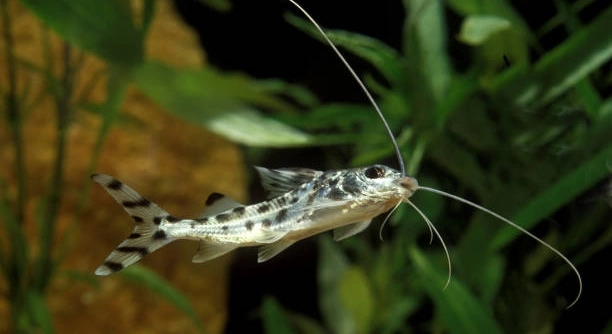
Pictus catfish are popular in home aquariums for their active and peaceful nature. However, some owners notice their catfish avoiding other fish. Understanding this behavior can help improve your tank’s harmony and the well-being of your aquatic pets.
Pictus catfish may avoid other fish due to territorial instincts, stress from overcrowding, differences in water conditions, or their natural preference for solitude. These factors can influence their social interactions and overall comfort within a shared environment.
Learning why your pictus catfish keeps its distance helps create a better space for all your fish to thrive together. This article explains key reasons behind this behavior and how to address them.
Territorial Behavior
Pictus catfish can be territorial, especially as they mature. They often need their own space to feel safe. When other fish get too close, pictus catfish may swim away or hide. This behavior helps them avoid conflicts and stress. In a crowded tank, their natural instinct to claim territory may make them keep to themselves more. Providing plenty of hiding spots like plants, caves, or decorations can reduce tension. It lets your catfish find a peaceful area without feeling threatened. Watching your fish’s interactions can help you spot signs of territorial stress early and adjust the tank setup accordingly. This respect for space is normal and important for their comfort and health.
Territorial instincts become stronger when fish feel overcrowded. Making room helps keep them calm.
Creating distinct zones in your tank supports peaceful coexistence. This way, pictus catfish can avoid others when needed, improving harmony in your aquarium.
Stress from Overcrowding
Overcrowding is a common issue that causes stress in pictus catfish. When too many fish share a small tank, it limits swimming space and increases competition for resources. This can make pictus catfish anxious and avoid other fish. They prefer calm environments where they can move freely and rest. Stress weakens their immune system and may lead to illness. It is important to follow recommended stocking levels for your tank size. Regular water changes and good filtration also help keep stress low by maintaining clean, healthy water. If your pictus catfish seems nervous or hides often, consider if overcrowding might be a factor.
Reducing the number of fish or upgrading to a larger tank often improves their behavior and health.
When fish are stressed by overcrowding, their natural behaviors change. Pictus catfish may stop exploring or eating well and stay hidden. This is a sign they are not comfortable. Each species needs enough space to swim and find shelter. Overcrowding can also cause aggression among fish, further pushing pictus catfish to avoid others. To fix this, evaluate your tank’s size and population. Adding plants and decorations can create visual barriers and break up open areas, giving fish places to escape. These steps help your pictus catfish feel secure and reduce overall stress in the aquarium. Maintaining a balanced environment supports their social behavior and longevity.
Water Quality Issues
Poor water quality can cause pictus catfish to avoid other fish. High ammonia, nitrite, or nitrate levels stress them. These toxins irritate their gills and skin, making them seek shelter.
Maintaining clean water is essential for pictus catfish health. Regular water testing and changes keep toxins low. Using a good filter helps remove waste and keeps water clear. When water quality drops, fish may hide more and lose appetite. Stress from poor water can also weaken their immune system. Keeping temperature and pH stable is important too. Sudden changes can cause discomfort and affect social behavior. Monitoring and adjusting these factors creates a stable environment where pictus catfish feel safer around others.
Water quality directly impacts your fish’s mood and interactions. Cleaner water promotes peaceful, active behavior in your tank’s community.
Different Activity Levels
Pictus catfish are active mostly at night, while some other fish are daytime swimmers. This difference makes them avoid others simply because their schedules don’t match. At night, pictus catfish explore and hunt, but during the day, they rest or hide.
This natural pattern means pictus catfish and other fish may rarely meet or interact. When other fish swim actively in daylight, pictus catfish may stay hidden, avoiding contact. This is normal and shows their natural rhythm. Tankmates with similar activity patterns help pictus catfish feel less alone and reduce stress. Matching species by their active times can improve harmony. Understanding this helps explain why your pictus catfish may seem distant but is not unhappy or sick. It just lives by its own internal clock.
Shy Nature
Pictus catfish are naturally shy and cautious. They often avoid open spaces and other fish to feel safe. Their instinct is to stay hidden or near the bottom of the tank.
This shy behavior is normal and helps protect them from perceived threats. It can take time for them to warm up to new tankmates or environments.
Lack of Social Instinct
Unlike some fish species, pictus catfish do not form strong social bonds. They are more independent and do not rely on schooling behavior. This means they often prefer to keep to themselves rather than interact closely with others.
Their independent nature means they avoid unnecessary social contact, which can sometimes be mistaken for avoidance or aggression.
Illness or Injury
If a pictus catfish is sick or injured, it may isolate itself from other fish. This behavior helps reduce stress and allows the fish to recover without disturbances. Watching for changes in appearance or activity can help catch health issues early.
FAQ
Why does my pictus catfish hide most of the time?
Pictus catfish are naturally shy and like to hide, especially when they feel stressed or threatened. Hiding helps them feel safe from other fish or changes in their environment. Providing plenty of hiding spots, like plants or caves, helps reduce their stress and encourages them to explore more.
Is it normal for pictus catfish to avoid all other fish?
Yes, it is normal for pictus catfish to keep some distance from other tankmates. They are not schooling fish and prefer to be independent. Their avoidance is often a way to protect themselves and feel secure. If they seem healthy and are eating well, their behavior is usually not a concern.
Can overcrowding cause my pictus catfish to act differently?
Overcrowding can make pictus catfish stressed and anxious. When too many fish share a tank, competition for space and food increases. This stress causes pictus catfish to hide more and avoid interaction. Reducing the number of fish or getting a larger tank helps improve their comfort and behavior.
How can I tell if my pictus catfish is sick or injured?
Signs of sickness or injury include lethargy, loss of appetite, faded colors, or unusual swimming patterns. If your catfish isolates itself more than usual or stays at the surface or bottom without moving much, it may be unwell. Early detection and treatment improve recovery chances.
Do pictus catfish get along better with certain types of fish?
Pictus catfish do better with peaceful, non-aggressive fish that are not too fast or territorial. Tankmates that share similar water and temperature needs are best. Avoid aggressive or overly active fish, as they can stress pictus catfish and increase avoidance behavior.
What tank conditions help reduce avoidance behavior?
Stable water quality, proper temperature, and enough space reduce stress for pictus catfish. Good filtration and regular water changes keep the tank clean and comfortable. Adding hiding spots and creating separate areas in the tank helps fish avoid each other when needed.
Can changes in lighting affect my pictus catfish’s behavior?
Yes, pictus catfish are more active during low light or at night. Bright lights may make them feel exposed, causing them to hide. Using dim lighting or adding shaded areas in the tank can help them feel safer and more comfortable.
Should I try to make my pictus catfish more social?
Pictus catfish naturally prefer some alone time. Forcing interaction can cause stress. Instead, focus on creating a calm, comfortable environment. Let your catfish come out on its own when it feels safe. Respecting their nature helps keep them healthy and less anxious.
How often should I test my aquarium water?
Testing water weekly is a good habit. This helps catch problems before they affect your fish. Pay attention to ammonia, nitrite, nitrate levels, pH, and temperature. Keeping these stable prevents stress and reduces the chance of your pictus catfish avoiding other fish.
Can diet affect my pictus catfish’s behavior?
Yes, a poor diet can weaken your fish and make it less active or more withdrawn. Feeding high-quality, varied food supports their health and energy. Healthy fish are more likely to interact with tankmates and explore their environment.
Is it okay to keep pictus catfish alone?
Pictus catfish can live alone but often do better with at least one other peaceful fish. Being alone may cause boredom or stress for some. However, if they show signs of stress or aggression in a group, a single fish in a well-maintained tank can be a good choice.
Pictus catfish have unique behaviors that sometimes make them seem distant or shy around other fish. This is often a natural part of how they interact with their environment and tankmates. Their need for space, preference for hiding, and different activity times all play a role in why they might avoid others. Understanding these behaviors helps set realistic expectations for their social habits. It also encourages creating an aquarium setup that respects their nature while supporting their health and comfort.
Taking care of a pictus catfish means paying attention to factors like water quality, tank size, and compatible fish species. Poor water conditions or overcrowding can increase their stress, causing them to hide more or avoid social contact. Keeping the tank clean and spacious allows them to swim freely and reduces tension. Choosing peaceful fish with similar activity levels can help maintain balance and reduce fear or aggression. Providing hiding places and stable water parameters creates a safe, calm environment where your pictus catfish can feel secure.
Although pictus catfish may not be the most social fish in your aquarium, their well-being depends on good care and respect for their natural habits. Observing their behavior and adjusting their surroundings can improve their comfort and encourage more interaction when they are ready. Patience is important, as some fish take time to adapt to new tankmates or changes. Overall, understanding and meeting their needs helps your pictus catfish thrive and brings satisfaction to caring for these interesting, peaceful creatures.

Hello,
If you enjoy the content that we create, please consider saying a "Thank You!" by leaving a tip.
Every little bit helps us continue crafting quality advice that supports the health, happiness, and well-being of pets around the world, for pets of all shapes, sizes, and species.
We really appreciate the kindness and support that you show us!