
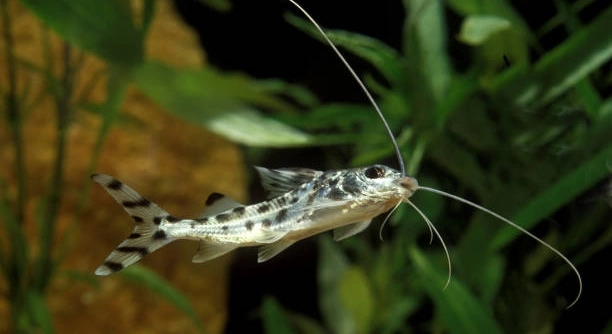
Do you ever find yourself watching your pictus catfish and wondering if they’re doing more than just swimming around the tank?
Pictus catfish do not play in the way mammals or some birds do, but they exhibit active and exploratory behavior that can appear playful. Their movement patterns are mainly driven by instinct, curiosity, and environmental stimuli.
From social behaviors to hiding habits, understanding their actions helps create a better environment for these energetic and fascinating fish.
Understanding Pictus Catfish Behavior
Pictus catfish are naturally active fish that enjoy moving around their tanks. They are known for their quick swimming and ability to explore every corner of their environment. Most of their behavior comes from instinct rather than play. These fish like to stay busy, especially in the evening hours. They often dart around, hide in decorations, and swim through openings. While this behavior may look playful, it’s their way of staying alert and safe. They feel more comfortable in groups and often display social behaviors with their own kind. These include synchronized swimming or staying close together. If you provide plenty of hiding places and enough room to swim, you’ll notice they seem more at ease and engaged. While they don’t “play” in the traditional sense, their activity can still be interesting and enjoyable to watch. They rely on this constant movement to stay stimulated in their environment.
Their active swimming and curiosity may be mistaken for playful behavior, but it’s mostly driven by natural instincts and environmental awareness.
To keep your pictus catfish healthy and content, it’s important to provide a well-decorated tank with enough space. They feel safer and more comfortable when there are caves, tunnels, or plants to explore. These items give them options for hiding and make the space more stimulating. Even though they don’t interact with toys, they respond well to changes in their environment. Adding new decorations or shifting items around from time to time can keep things interesting. Pictus catfish are also social, so having more than one helps them feel less stressed. Just make sure the tank is large enough for them to swim freely without bumping into each other. Also, keep the lighting low or subdued, since they are more active when it’s dim. By observing their behavior and adjusting their environment as needed, you’ll help support their natural patterns and make their habitat more enjoyable.
Signs of Engagement and Stress
Lively movement, group swimming, and hiding in tank structures are common signs that your pictus catfish feel secure and stimulated in their environment.
If your pictus catfish are hiding constantly, not eating, or swimming in strange patterns, it could mean something is off in the tank. Changes in behavior often relate to water quality, tank size, or the number of fish in the tank. These fish are sensitive to their surroundings, so even small changes can affect their activity. A clean tank with stable temperature and pH levels helps keep them active and responsive. You might also notice that they’re more visible at night or in low light. This is normal and doesn’t mean anything is wrong. Watch for consistent patterns rather than single changes. If your pictus catfish used to swim with others and now avoids them, it could signal stress or illness. Paying attention to their daily actions is the best way to understand what they need.
How Environment Affects Behavior
Tank setup plays a big role in how your pictus catfish behave. A bare or overcrowded tank can lead to stress and inactivity. Adding hiding spots and open areas for swimming helps them stay more active and feel more secure.
Pictus catfish thrive in environments that mimic their natural habitat. Using sand or smooth gravel as substrate allows them to explore the bottom without injuring their sensitive barbels. Include caves, driftwood, or PVC pipes for hiding, and leave enough open space for swimming. These fish are nocturnal, so keep lighting dim or use floating plants to soften brightness. Water flow should be moderate, as they come from rivers and enjoy moving currents. Maintaining stable water conditions is also important, with temperatures between 72°F and 78°F and good filtration. These adjustments can greatly impact how active and visible your fish are during the day and night.
The presence of tank mates also affects their behavior. Pictus catfish are generally peaceful but can become shy or agitated if paired with aggressive or very large fish. On the other hand, keeping them alone can make them more reclusive. It’s best to keep them with other peaceful species or small groups of their own kind. Just make sure the tank is large enough—at least 55 gallons for a small group. If the tank feels crowded, they may hide more often or swim less. Watching how they behave around other fish can help you spot stress early. A calm, well-structured tank will encourage more natural and active behavior.
Natural Behaviors to Expect
Pictus catfish are most active at night, often hiding during the day and coming out when the lights are low. This is a normal behavior and not a sign of illness or stress.
You might notice them swimming quickly around the tank, weaving through objects, or staying close to the bottom. These are all signs of normal, healthy behavior. Sometimes, they may follow each other in a loose group, especially when housed with other pictus catfish. They also enjoy resting in hidden spots, often returning to the same cave or space. Unlike other fish, they do not hover in one place for long; they stay in motion or retreat to shelter. They’re not interested in toys, but they do enjoy exploring changes in their environment. Providing a varied, well-maintained tank will bring out these natural patterns. Just be sure their needs for space and safety are met.
Can Pictus Catfish Get Bored?
Pictus catfish can show signs of boredom if kept in a dull or crowded tank. Lack of hiding spots, low swimming space, or no changes in the environment may cause them to become less active or hide more often.
Adding new items or rearranging decorations can help. Changes in their setup give them something new to explore and help keep their behavior more active. Even simple additions like a new cave or plant can make a difference in how they interact with their space.
Do They Need Stimulation?
Yes, they benefit from a stimulating tank environment. While they don’t need toys, they do respond to environmental changes. A varied setup with plants, caves, and smooth decorations gives them places to hide and paths to swim through. Rearranging the layout every few weeks can keep things interesting for them. They are especially active in tanks with gentle water movement, which encourages swimming and exploration. Avoid bright lighting, as they are more comfortable in low-light settings. Keeping their tankmates peaceful and their surroundings safe helps them feel secure and allows their natural behaviors to come through more clearly.
Final Thoughts on Behavior
Providing a structured tank with enough space and hiding spots supports healthy, natural behavior in pictus catfish.
FAQ
Do pictus catfish interact with each other?
Yes, pictus catfish often interact when kept in groups. They may swim together or explore the tank side by side. These actions are not signs of playing, but rather social behaviors that help them feel safe. Keeping them in small groups can make them more confident and active. A group of three or more, in a spacious tank, usually leads to more visible behavior and less hiding. Just make sure the tank is large enough to avoid crowding and stress between individuals.
Can you keep a single pictus catfish?
You can keep one pictus catfish, but it may become more reclusive. These fish are social by nature, and while they can survive alone, they tend to thrive when they have others of their kind around. If you choose to keep just one, offer more hiding spaces and keep the environment calm. Without tank mates, they may be less active during the day and only come out when the lights are off. Always monitor their behavior for signs of stress or boredom.
Do pictus catfish need toys or decorations?
Pictus catfish don’t need toys, but they do benefit from decorations. They like hiding in caves, swimming through tunnels, and exploring plants. Decorations create a more enriching environment and help reduce stress. Choose items with smooth surfaces to protect their sensitive barbels. Avoid sharp or rough objects. Rearranging these decorations occasionally helps keep things stimulating for them. Though they won’t interact with items like a dog or cat might, they do respond well to changes in their environment.
Why does my pictus catfish hide all day?
This is normal behavior. Pictus catfish are nocturnal, meaning they’re most active at night. During the day, they tend to hide in caves, under decorations, or behind plants. If they seem healthy otherwise and come out more at night, there’s likely no cause for concern. However, if they stop eating or stay hidden all the time, even at night, check water quality and tank conditions. Adding more hiding places or softening the lighting may also help.
Are pictus catfish aggressive?
No, they are not aggressive, but they are active swimmers and may startle or stress slower tank mates. They do best with peaceful, similarly-sized fish. Avoid pairing them with very small fish, as they may be mistaken for food, especially at night. Also, avoid very aggressive or territorial fish that may chase or nip at them. When housed with suitable tank mates, pictus catfish usually keep to themselves and don’t show any signs of aggression.
How do I know if my pictus catfish is happy?
A healthy, content pictus catfish will swim actively, explore the tank, and eat regularly. It may interact with other fish or investigate changes in the environment. While it will still hide during the day, it should become more active once the lights dim. Look for consistent behavior over time—changes in swimming patterns, loss of appetite, or constant hiding can signal stress. Watching their normal routines helps you know what’s typical for your fish.
Can they live with bottom dwellers like corydoras or loaches?
Yes, pictus catfish can live with other peaceful bottom dwellers like corydoras or loaches, as long as the tank is large enough. These species often share similar behaviors but tend to ignore one another. Make sure there are plenty of hiding spots for all fish, and enough room for everyone to move around. Good filtration and stable water conditions will help them coexist without issues. Watch for any signs of territorial behavior, though this is rare in pictus catfish.
Do they eat plants or decorations?
No, pictus catfish do not eat plants or decorations. They may swim through them or rest nearby, but they won’t nibble or damage them. Still, it’s best to use sturdy plants that can handle frequent contact, like java fern or anubias. Artificial plants should be soft and free of sharp edges. When decorating the tank, keep safety in mind—sharp rocks or tight gaps can cause injury. Their main interest is in finding safe, quiet places to hide or swim.
What should I avoid putting in their tank?
Avoid bright lighting, small fish that may be eaten, aggressive tank mates, and sharp decorations. Pictus catfish need smooth surfaces, hiding places, and gentle lighting. Strong currents or sudden temperature changes can also cause stress. Make sure your tank has a secure lid, as they can jump. Keeping water conditions stable and the tank calm helps maintain their health. Anything that disrupts their routine or limits their movement can negatively affect their behavior.
Final Thoughts
Pictus catfish are active, curious fish that do best in a well-structured tank. While they may seem playful at times, their actions are mostly driven by instinct. They explore their surroundings, swim quickly through open areas, and enjoy hiding during the day. This behavior may look like playing, but it’s part of how they stay alert and safe. They do not need toys or interaction the way some pets do, but they still benefit from a stimulating and peaceful environment. Keeping them comfortable helps support their natural behavior.
It’s important to understand that pictus catfish are not solitary by nature. When kept with others of their kind, they often seem more relaxed and active. They are social but not aggressive, and they usually get along well with peaceful tank mates. If kept alone, they may hide more and be less engaged. Providing hiding places, low lighting, and clean water can reduce stress and improve their quality of life. Also, regularly observing their habits helps you notice if something isn’t right. A change in behavior, such as swimming patterns or feeding habits, can be a sign that their environment needs adjustment.
Owning pictus catfish means setting up a tank that supports their needs. They like to explore, so open swimming areas and smooth decorations help keep them active. Adding new plants, tunnels, or rocks now and then can give them something new to check out. While they don’t need complicated care, a little attention to tank setup goes a long way. Pictus catfish are enjoyable to watch, especially in the evenings when they’re most active. By learning what’s normal for them and adjusting their environment as needed, you can create a space where they stay healthy and show their full range of behavior.

Hello,
If you enjoy the content that we create, please consider saying a "Thank You!" by leaving a tip.
Every little bit helps us continue crafting quality advice that supports the health, happiness, and well-being of pets around the world, for pets of all shapes, sizes, and species.
We really appreciate the kindness and support that you show us!