
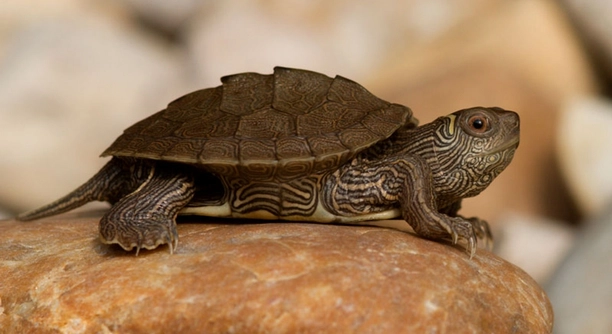
Map turtles are fascinating creatures, and their shells can provide valuable insights into their health. A white shell can be alarming, leaving owners wondering what might be causing this change. Understanding the reasons behind this condition can help address potential issues.
A map turtle’s shell turning white is often linked to environmental factors or health concerns. Common causes include improper humidity, dietary imbalances, or fungal infections. Each factor can affect the shell’s appearance and overall well-being.
Identifying the root cause of a white shell is crucial for effective care. We’ll cover potential causes and offer advice on how to help your map turtle regain its health.
Environmental Factors Affecting Your Turtle’s Shell
A map turtle’s environment plays a significant role in maintaining a healthy shell. Inadequate lighting and temperature can lead to issues like a white or discolored shell. For instance, insufficient UVB lighting can prevent your turtle from absorbing calcium properly, affecting the shell’s integrity. Additionally, extreme temperature changes or improper humidity levels may create stress, contributing to changes in the shell’s appearance.
Humidity is another crucial factor in turtle health. If the humidity is too low, your turtle’s shell may dry out, causing it to look pale or white. To maintain proper humidity, keep the tank at a consistent level and use a humidity gauge. Ensuring the right balance will help prevent shell damage and encourage healthy growth.
A proper habitat with regulated lighting and humidity is essential for your turtle’s overall well-being. Consistent environmental factors will help maintain the natural color and health of your map turtle’s shell, preventing further issues.
Nutritional Imbalances and Shell Health
Diet plays a crucial role in the appearance of your turtle’s shell. A diet lacking in essential nutrients like calcium and vitamin D3 can result in a pale or white shell. Calcium is especially important for shell strength, and without it, the shell can become brittle and unhealthy. Map turtles require a diet rich in calcium, which can be obtained from foods like dark leafy greens, and calcium supplements should be used when needed.
Overfeeding or improper diet can also disrupt the balance of nutrients, leading to health problems. It’s important to provide a balanced diet tailored to your turtle’s needs. The right nutrition will promote a strong, vibrant shell, while neglecting it can cause long-term damage.
Making sure your turtle receives the right nutrition will help prevent discoloration and other health issues.
Fungal Infections and Shell Changes
Fungal infections can cause discoloration in your map turtle’s shell. These infections usually appear as white, patchy spots or film-like layers. They are often caused by poor water quality or lack of proper cleaning in the turtle’s habitat. If you notice these white patches, it’s important to address the issue immediately.
To treat a fungal infection, first clean the turtle’s tank thoroughly, removing any bacteria or fungus. You may need to use an antifungal treatment for your turtle’s shell and adjust the water conditions to prevent recurrence. It’s essential to maintain clean water and change it regularly to avoid further infections.
Fungal infections can be harmful to your turtle’s health and shell. By taking steps to correct the water conditions and providing antifungal treatment, you can help your turtle recover. Addressing this early on will prevent long-term damage to the shell and overall health.
Poor Water Quality and Its Impact
Water quality directly affects your turtle’s health and shell appearance. If the water is too dirty or contains harmful chemicals, it can cause stress to your map turtle. This stress might lead to changes in its shell, such as discoloration or white spots. Regular water changes and proper filtration are key to maintaining a clean and safe environment for your turtle.
Ensure that the water temperature is consistent and that the tank is properly filtered. Over time, poor water quality can lead to fungal or bacterial infections, which may worsen the appearance of your turtle’s shell. Make it a habit to monitor and adjust water conditions regularly.
A healthy aquatic environment plays a major role in preventing shell discoloration. Clean water is essential not only for your turtle’s shell but for its overall well-being. Keep water quality in check to avoid unnecessary stress and health problems.
Vitamin D3 Deficiency and Shell Issues
A lack of Vitamin D3 can affect your map turtle’s shell. Vitamin D3 helps the turtle absorb calcium, and without it, the shell may turn white or develop soft spots. This deficiency can happen if the turtle isn’t exposed to enough UVB light or doesn’t receive the proper diet.
To prevent this, provide your map turtle with regular UVB exposure. A high-quality UVB bulb should be used to simulate natural sunlight. You can also consider supplementing its diet with Vitamin D3. This will help your turtle absorb calcium properly and maintain a healthy shell.
Shell Rot and Its Causes
Shell rot is another common issue that can cause a turtle’s shell to turn white. It usually begins with soft, decayed spots that may become discolored. Poor tank hygiene, high humidity, and exposure to harmful bacteria can lead to this condition. Early treatment is essential for recovery.
To prevent shell rot, ensure your turtle’s tank is clean and dry. Regularly inspect the shell for soft areas or spots. If rot is detected, treat it promptly with a disinfectant designed for reptiles, and maintain proper tank care to prevent it from returning.
Stress and Its Impact on the Shell
Stress can manifest in various ways for your map turtle, including shell discoloration. Stress from overcrowding, improper water conditions, or frequent handling can affect the shell’s appearance. When stressed, your turtle’s immune system may weaken, making it more susceptible to infections.
Addressing the root cause of stress is crucial. If your turtle is stressed, evaluate its environment and routine. Make sure it has a comfortable, spacious tank with clean water and appropriate temperatures. Reducing stress will help improve its shell condition and overall health.
FAQ
Why is my map turtle’s shell turning white?
A white shell in your map turtle could be due to a variety of causes. Most commonly, it’s related to environmental factors, such as improper humidity or lighting. Poor water quality, fungal infections, or nutritional deficiencies, especially a lack of calcium or Vitamin D3, can also cause discoloration. In some cases, shell rot or stress can lead to changes in the shell’s appearance. It’s important to assess your turtle’s habitat, diet, and overall health to pinpoint the exact cause.
How can I prevent my turtle’s shell from turning white?
To prevent your turtle’s shell from turning white, focus on maintaining a stable environment. Ensure that your turtle has access to proper UVB lighting, as this helps it absorb calcium. Regularly clean the tank and provide a balanced diet rich in calcium and Vitamin D3. Avoid overcrowding and check water quality to prevent infections. A consistent routine and environment will help keep your turtle healthy and prevent discoloration.
What can I do if my map turtle has fungal infection on its shell?
If your turtle has a fungal infection, the first step is to clean the tank thoroughly to remove any harmful bacteria or fungus. Use an antifungal treatment specifically designed for turtles to address the infection on the shell. Ensure your turtle’s habitat has proper humidity and temperature levels to prevent further fungal growth. Regular tank cleaning and water changes will also help prevent the infection from returning.
Can poor water quality affect my turtle’s shell color?
Yes, poor water quality can significantly impact your turtle’s shell color and overall health. Dirty water can cause stress, leading to discoloration or fungal infections. Harmful bacteria and chemicals in the water can weaken the turtle’s immune system, which may result in white or patchy spots on its shell. Regular water changes and proper filtration are essential for maintaining water quality.
How do I treat shell rot in my map turtle?
If your map turtle has shell rot, it’s essential to act quickly. Begin by cleaning the tank thoroughly and disinfecting any surfaces the turtle may come into contact with. Examine the shell for soft or decayed areas, and treat these spots with a disinfectant made for reptiles. Make sure the tank has the correct humidity levels and temperatures. If the condition persists, consider consulting a vet to ensure proper treatment.
How do I know if my map turtle’s shell is healthy?
A healthy map turtle shell should be firm, smooth, and free of discoloration or soft spots. The shell should not show signs of fungal infections, rot, or excessive dryness. If your turtle’s shell appears white, patchy, or soft, it could indicate a health issue. Regular check-ups and proper care are key to ensuring a healthy shell.
How can stress affect my turtle’s shell?
Stress can have a negative impact on your turtle’s health and shell. When stressed, your turtle’s immune system may weaken, making it more susceptible to infections and shell problems. Overcrowding, improper water conditions, and frequent handling are common stressors. Addressing the source of stress and ensuring a calm, comfortable environment can help maintain your turtle’s shell health.
Is UVB lighting necessary for my map turtle?
Yes, UVB lighting is essential for your map turtle’s health. It helps your turtle synthesize Vitamin D3, which is crucial for calcium absorption. Without UVB exposure, your turtle may suffer from a calcium deficiency, which can result in a white or weak shell. Be sure to provide proper UVB lighting to maintain your turtle’s health.
What is the best diet for a map turtle to maintain shell health?
A balanced diet is important for your map turtle’s shell health. Offer a variety of foods, including dark leafy greens, aquatic plants, and high-quality pellets that provide essential vitamins and minerals. Calcium-rich foods like collard greens, dandelion greens, and calcium supplements are vital for a strong shell. Make sure to also include foods that provide Vitamin D3, such as fish or eggs, to help with calcium absorption.
Can my turtle’s shell color return to normal?
Yes, depending on the cause of the discoloration, your map turtle’s shell can return to normal with proper care. Addressing issues like poor water quality, fungal infections, or nutritional deficiencies can help restore the shell’s color. However, if the shell has been severely damaged or affected by rot, it may take longer to heal, and you may need to seek veterinary help. Consistent care will improve your turtle’s condition and appearance.
Final Thoughts
Caring for a map turtle requires attention to its environment and health. A white shell is often a sign of an underlying issue, whether it’s from poor water quality, improper lighting, or nutritional deficiencies. Regular monitoring of your turtle’s habitat, diet, and overall well-being is key to preventing such problems. By providing your turtle with a proper balance of UVB light, clean water, and a varied diet, you can help maintain its health and avoid shell discoloration. It’s also essential to be proactive in noticing early signs of stress, fungal infections, or shell rot, as these can all lead to serious health concerns if left untreated.
If you notice your turtle’s shell turning white, consider the possible causes and take appropriate action. Whether adjusting its lighting, improving its diet, or ensuring clean water, a few changes can have a big impact on its health. If the problem persists, it may be time to consult with a reptile veterinarian. They can offer guidance and treatment options to address the issue. In some cases, catching the problem early can prevent long-term damage to the shell or other health complications. Your turtle’s shell is a vital part of its overall health, and maintaining it properly is essential for a long, healthy life.
Finally, remember that map turtles are resilient creatures, and with the right care, they can recover from shell issues. By maintaining a clean, stress-free environment and providing the proper nutrients and care, you’ll not only help prevent shell discoloration but also ensure your turtle thrives. Regular check-ups and attention to detail will keep your turtle healthy, happy, and with a vibrant, strong shell. With the right care, your map turtle will continue to be an enjoyable companion for years to come.

Hello,
If you enjoy the content that we create, please consider saying a "Thank You!" by leaving a tip.
Every little bit helps us continue crafting quality advice that supports the health, happiness, and well-being of pets around the world, for pets of all shapes, sizes, and species.
We really appreciate the kindness and support that you show us!