
Map turtles have become increasingly popular pets for many reasons. Their unique appearance, calm nature, and manageable size make them an attractive choice for turtle enthusiasts. Whether you’re new to pet turtles or experienced, they offer charm and ease.
Map turtles are favored pets due to their distinctive markings, calm demeanor, and manageable care requirements. These turtles are small to medium-sized, which makes them easier to house compared to larger species. Their active, social nature adds to their appeal.
There are several reasons why map turtles are a great pet choice. From their low maintenance care to their interactive personalities, these reptiles make wonderful companions for turtle lovers. Keep reading to learn more about their unique characteristics.
Unique Appearance
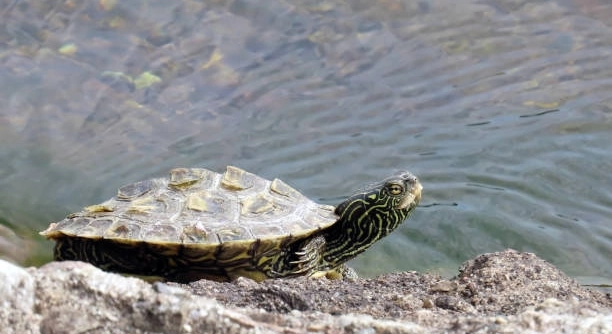
Map turtles are known for their striking appearance, especially their intricate markings. Their shells often feature unique patterns that resemble a map, which is how they got their name. These turtles come in various species, each with its own distinct pattern and coloration, ranging from olive to brown tones. Their beautiful appearance makes them an interesting and eye-catching addition to any pet collection.
With their sleek, smooth shells and bright yellow or orange markings, map turtles stand out. Their look can be mesmerizing, and it’s easy to get lost in their unique design. These turtles often have a streamlined body shape, making them agile swimmers. Their attractive appearance and graceful movement add to their charm, making them appealing to those looking for a beautiful yet low-maintenance pet.
Their elegant looks and relatively small size make map turtles a great option for those who want a pet that’s both lovely and practical. These turtles won’t take up too much space, and they won’t require an overwhelming amount of care, making them an excellent choice for turtle lovers.
Low Maintenance Care
One of the main reasons people love map turtles is that they are low-maintenance pets. Their basic care needs can be easily managed, making them perfect for those who are new to keeping turtles. With proper setup, they thrive with minimal attention.
Map turtles need a balanced diet, a clean tank, and a few hours of UV light each day. Providing them with a water filtration system and the right habitat temperature will keep them happy and healthy. Their diet mainly consists of insects, small fish, and aquatic plants, so they are relatively simple to feed.
Their ability to thrive with little upkeep makes them an ideal pet for busy individuals or families. As long as you maintain their tank properly and feed them appropriately, you’ll have a content turtle companion.
Small Size
Map turtles remain relatively small, which makes them easy to care for and house. Unlike larger species that need big enclosures, map turtles can comfortably live in a smaller tank. This smaller size also means lower food costs and fewer tank maintenance tasks.
Their compact size allows them to fit in most standard aquarium setups, so you don’t need a massive space to accommodate them. This is a big advantage for people who have limited space in their homes. They’re not as demanding as larger turtles, and their environment remains manageable.
A smaller tank and lower maintenance requirements make map turtles accessible for new pet owners. Their size ensures that you don’t have to deal with the challenges associated with keeping larger reptiles. Their care is straightforward, and they can thrive in a variety of environments, provided their basic needs are met.
Interactive Nature
Map turtles are social creatures, often displaying curiosity toward their owners. While they may not seek constant interaction, they will recognize you and respond to your presence. This makes them more engaging than other reptiles that are more reclusive.
Their social behavior extends to interactions with other turtles, especially in larger tanks. Map turtles often enjoy having tank mates, so they’re generally non-aggressive toward other reptiles. However, it’s important to ensure enough space and resources for each turtle to thrive.
In addition to their social nature, map turtles enjoy basking under UV light or climbing on logs in the water. These activities provide entertainment for both the turtles and their owners. This behavior adds to the overall enjoyment of owning a map turtle, as their actions can be fascinating to observe.
Long Lifespan
Map turtles have a relatively long lifespan, often living up to 20 years or more in captivity with proper care. This makes them a rewarding long-term pet, as their longevity allows for many years of companionship. Their lifespan is a testament to their hardiness and adaptability.
With a well-maintained environment and a balanced diet, map turtles can live healthy lives, making them a dependable pet choice for those looking for a turtle that will stick around. This long lifespan also means they grow with their owners, becoming familiar and cherished companions over time.
Their longevity is one of the key factors that contribute to their appeal. Knowing that a map turtle can live for decades makes it more meaningful to take on the responsibility of caring for them. They become a lasting part of your life, bringing joy for many years.
Easy to Feed
Feeding map turtles is simple, as their diet mainly consists of fish, insects, and aquatic plants. They are opportunistic feeders and will gladly eat a variety of foods, which makes their feeding routine less complicated. Offering a mix of protein and vegetables keeps them healthy.
To keep your map turtle’s diet balanced, it’s important to offer a variety of food. You can feed them commercially prepared turtle pellets along with fresh foods such as worms, crickets, or leafy greens. Avoid overfeeding, as it can lead to obesity.
Feeding them correctly ensures their health and well-being. Proper diet management is easy once you establish a routine, and they are not particularly picky eaters. Just be sure to give them the right nutrients, and they’ll thrive with minimal effort on your part.
Calm Temperament
Map turtles are known for their calm and gentle nature, making them a good choice for people who want a peaceful pet. Unlike some other turtle species, they are not typically aggressive, which is a relief for new pet owners. They are generally not territorial either.
This calm temperament allows them to coexist well with other turtles in larger tanks. While they may show some minor signs of territorial behavior when it comes to basking spots, they are usually quite tolerant of their environment. This makes them a great option for those who want a laid-back pet.
Their calmness also makes map turtles easy to observe, as they won’t be constantly moving around or hiding. They spend much of their time basking or swimming slowly, which can be soothing to watch. This gentle nature adds to their overall charm as a pet.
FAQ
What size tank do map turtles need?
Map turtles require a tank that’s at least 40 gallons for one turtle. If you have multiple turtles, the tank size should increase accordingly. A larger tank provides enough space for them to swim, bask, and explore. Proper filtration and water quality are also essential for their health.
A 40-gallon tank is a minimum requirement, but the bigger the tank, the better. They enjoy having room to swim, and a spacious tank also allows for better water circulation, which helps keep the water cleaner. This also ensures they can comfortably bask and explore their environment without feeling crowded.
When setting up a tank for map turtles, it’s important to create both land and water areas. They need a dry basking area, along with a shallow area where they can relax. The deeper parts of the tank should also allow for swimming.
How often should I feed my map turtle?
Map turtles should be fed 2-3 times a week, depending on their age and size. Hatchlings and juveniles need to eat more frequently, while adults can eat less often. Offering a variety of food will keep them healthy.
For hatchlings, you may need to feed them daily or every other day, as they grow quickly. As they reach adulthood, you can space their meals out to every 2-3 days. Always offer a balance of protein and vegetables, such as insects, fish, and leafy greens.
Overfeeding can lead to obesity, so it’s important to monitor how much food you’re offering. Feeding them in controlled portions will help ensure that they stay at a healthy weight. You should also remove any uneaten food from the tank to prevent water contamination.
Can map turtles live with other turtles?
Yes, map turtles can live with other turtles, but only if their tank is large enough to accommodate them. They are generally not territorial, which makes them a good choice for communal tanks. However, be sure to monitor their behavior.
If you plan to house multiple map turtles together, make sure there’s enough space for each turtle to have its own basking spot and swimming area. A lack of space can cause stress, and in some cases, turtles may become aggressive toward each other.
Some species of turtles may not get along with map turtles, so it’s important to research any potential tank mates before introducing them. Generally, turtles of similar size and temperament work best together.
What is the ideal water temperature for map turtles?
Map turtles thrive in water temperatures ranging from 75 to 80 degrees Fahrenheit. Keeping the water within this range ensures they remain comfortable and healthy. It’s important to maintain the temperature consistently.
If the water gets too cold, map turtles may become sluggish and less active, which can affect their overall health. You can use a water heater to regulate the temperature in the tank. Ensure the heater is properly sized for your tank.
In addition to maintaining the right water temperature, map turtles also need access to a basking spot with a heat source. This helps regulate their body temperature and ensures they stay active and healthy. Basking under the heat also allows them to digest food properly.
How can I keep my map turtle’s tank clean?
Regular tank maintenance is key to keeping your map turtle healthy. Perform partial water changes every 1-2 weeks to keep the water fresh. Use a good quality water filter to help keep the tank clean in between water changes.
Removing uneaten food and waste from the tank is essential to maintaining clean water. If food or waste is left in the tank, it can lead to bacteria growth, which can make your turtle sick. You can use a small net or siphon to remove debris.
Regularly clean the basking area and any decorations in the tank to prevent algae buildup. A soft brush can help scrub away algae without damaging the tank decorations. Cleaning your map turtle’s environment ensures that they stay in a healthy, thriving habitat.
Do map turtles need UVB light?
Yes, map turtles need UVB light for proper calcium absorption and overall health. UVB light helps them metabolize calcium, which is important for shell and bone health. Without adequate UVB exposure, map turtles may develop shell deformities or other health issues.
A UVB bulb should be placed above the basking area, where the turtle can get direct exposure for several hours each day. It’s important to choose a UVB light specifically designed for reptiles, as regular household lighting does not provide the necessary UVB rays.
Be sure to replace the UVB bulb every 6-12 months, as its effectiveness decreases over time. Proper UVB lighting is crucial for your turtle’s long-term health, so maintaining this element of their environment is essential.
What do map turtles eat?
Map turtles are omnivores, which means they eat both animal and plant matter. Their diet consists of a variety of foods, including small fish, insects, worms, and leafy greens. You can also offer commercial turtle food that contains a balance of proteins and vitamins.
In the wild, they feed on aquatic insects, crustaceans, and plants. In captivity, it’s important to provide them with a varied diet to ensure they get all the nutrients they need. A balanced diet helps keep your turtle healthy and active.
Offering a mix of protein and vegetables is the key to maintaining a healthy turtle. It’s best to feed them a combination of live or frozen food, along with fresh plants like dandelion greens or water lettuce.
How long do map turtles live?
Map turtles can live for 20 years or more in captivity when properly cared for. Their longevity is one of the reasons why they are such popular pets. With the right environment and diet, map turtles can provide many years of enjoyment.
A map turtle’s lifespan depends on various factors, including diet, tank conditions, and overall care. Regular water changes, proper lighting, and a balanced diet can help extend their life. Their long lifespan makes them a great choice for those looking for a long-term pet.
Their ability to live for several decades means they can become a familiar and lasting part of your life, growing alongside their owners. This extended lifespan is one of the rewarding aspects of having a map turtle as a pet.
Final Thoughts
Map turtles are a popular choice for pet owners due to their manageable size, relatively simple care requirements, and long lifespan. Their ability to adapt to both water and land environments makes them an interesting pet to observe. Although they are not as high-maintenance as some other reptiles, they still require a proper tank setup, consistent care, and a balanced diet to thrive. Their natural behaviors and unique personalities can be quite captivating for those who enjoy caring for reptiles.
Proper tank maintenance is key to keeping a healthy map turtle. Ensuring they have clean water, access to UVB lighting, and space to swim and bask is essential. With regular water changes and careful attention to their habitat, your map turtle will have the best chance to stay healthy and happy for many years. It’s important to invest time into understanding their needs, including what foods to provide and how to keep the tank clean. Their diet, including both protein and vegetables, should be well-balanced for optimal growth and energy.
In summary, map turtles make excellent pets for those willing to put in the effort to meet their basic needs. They offer a fascinating glimpse into the life of a turtle and can provide years of enjoyment if properly cared for. By setting up an appropriate tank, offering a healthy diet, and maintaining proper water conditions, map turtles can become a beloved part of your home. With their long lifespan and unique behaviors, they can be a rewarding pet for both new and experienced turtle owners alike.

Hello,
If you enjoy the content that we create, please consider saying a "Thank You!" by leaving a tip.
Every little bit helps us continue crafting quality advice that supports the health, happiness, and well-being of pets around the world, for pets of all shapes, sizes, and species.
We really appreciate the kindness and support that you show us!