
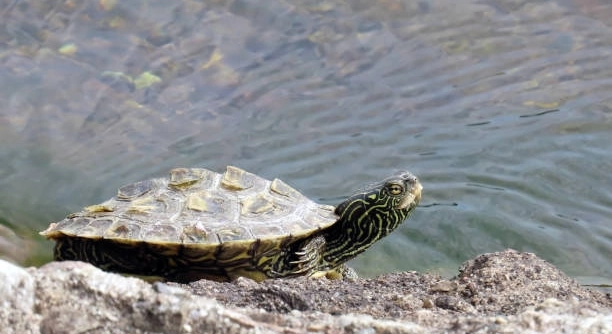
Shell rot in map turtles is a common issue that can affect their health if left untreated. Understanding how to prevent it is essential for keeping your pet healthy and happy. Here’s a closer look at how to protect them.
Preventing shell rot in map turtles involves maintaining a clean environment, proper humidity levels, and a balanced diet. If rot develops, early treatment with antifungal or antibacterial solutions, as well as proper care, can help restore their shell health.
Taking action to prevent shell rot now can save you from more serious complications later. Continue reading to learn the most effective treatment options.
Causes of Shell Rot in Map Turtles
Shell rot in map turtles is primarily caused by poor water quality, a lack of proper basking spots, and an inadequate diet. When water conditions are too dirty or stagnant, bacteria can build up, leading to infections. If your turtle doesn’t have a dry place to bask, its shell may remain damp, promoting fungal or bacterial growth. Additionally, turtles need a well-balanced diet to maintain their immune system. If their diet is lacking in essential vitamins and nutrients, they become more susceptible to shell rot. Keeping an eye on these factors can help prevent issues before they develop.
Inadequate water filtration is another major factor in shell rot development. Turtles need clean water to thrive. Without proper filtration, waste and bacteria can accumulate, putting your turtle’s health at risk. Regular water changes and proper filtration are essential for preventing bacterial growth.
It’s crucial to regularly inspect your turtle’s shell for signs of damage or rot. If left unchecked, shell rot can cause severe harm to your pet’s shell and overall health. Early detection and prevention go a long way in maintaining a healthy map turtle.
Treatment Options for Shell Rot
The treatment for shell rot largely depends on its severity. For mild cases, simply improving your turtle’s habitat and ensuring proper water quality may suffice. If the infection has progressed, you’ll need to treat it with either antibacterial or antifungal medications. These treatments typically come in the form of topical ointments or dips. If the damage to the shell is more extensive, it may require veterinary intervention. A professional can help clean the affected areas and may even prescribe oral antibiotics or other treatments. In extreme cases, surgery could be necessary.
Turtle owners should also avoid housing their turtles in overcrowded tanks, as this can stress them out and weaken their immune systems. Proper UVB lighting is also crucial in maintaining their overall health, as it aids in the proper absorption of calcium, strengthening their shells.
Preventing Shell Rot: Key Steps
Regular tank maintenance is one of the most important steps in preventing shell rot. Clean your turtle’s tank at least once a week to maintain optimal water quality. Use a high-quality water filter to help remove debris and bacteria. The right water temperature is also essential to avoid conditions that promote fungal or bacterial growth. Check the water’s pH and keep it stable to prevent harmful imbalances.
Adding a basking area for your turtle is crucial for its well-being. Map turtles need to have a dry place to rest so they can fully dry off, which helps reduce the risk of shell rot. Ensure the basking area is warm enough, as this allows your turtle to regulate its body temperature properly. A dry basking spot encourages shedding and prevents moisture from accumulating on the shell.
A proper diet also plays a key role in prevention. Map turtles need a balanced diet, including leafy greens, high-quality pellets, and occasional protein sources like insects or fish. The right diet boosts their immune system, helping them fight off infections before they start. Regular vitamin supplements may also be beneficial if your turtle’s diet isn’t well-rounded.
When to Seek Veterinary Help
If you notice signs of shell rot, it’s important to act fast. Small spots or discoloration on your turtle’s shell can quickly progress if untreated. If you observe softening, foul smells, or noticeable wounds, consult a vet immediately. Treating the infection in its early stages can prevent more severe damage, reducing the risk of long-term health problems.
Veterinarians can provide a thorough examination of your turtle’s shell and may use diagnostic tools to determine the extent of the damage. Depending on the severity, they may recommend topical treatments, oral medications, or even surgical intervention. Prompt treatment ensures your turtle can recover and avoid complications. Regular check-ups can also help detect underlying issues like vitamin deficiencies, which may make your turtle more susceptible to infections.
The Importance of UVB Lighting
UVB lighting is crucial for the health of map turtles. It helps them synthesize vitamin D3, which is necessary for calcium absorption. Without proper UVB exposure, your turtle may develop soft or deformed shells. Make sure the lighting is positioned correctly and replaced regularly.
Turtles need at least 10-12 hours of UVB exposure daily to maintain healthy bones and shells. Ensure the UVB light is placed close enough for your turtle to bask under. You should replace the bulb every 6-12 months, even if it still works, as UVB output diminishes over time.
Maintaining Proper Tank Temperature
Proper tank temperature is key to keeping your map turtle healthy. Aim for a water temperature of 75-80°F (24-27°C) and a basking area temperature of 85-90°F (29-32°C). Consistent temperatures allow your turtle to digest food properly and maintain overall health, reducing the chances of developing infections like shell rot.
Inconsistent water temperatures can stress your turtle, weakening its immune system and making it more vulnerable to diseases. It’s important to use reliable heaters and thermometers to monitor the temperature regularly. Keep the water and basking areas within these optimal ranges to ensure your turtle’s well-being.
Treating Severe Cases of Shell Rot
For more advanced cases of shell rot, a vet may recommend debridement, where the damaged tissue is carefully removed. This allows healthy tissue to regenerate. After debridement, your turtle will need to undergo regular cleanings and possibly medication to prevent further infection.
A vet may also suggest the use of oral antibiotics if the infection is widespread. Depending on the severity, they might place your turtle on a specific treatment regimen, which could include regular dressing changes and topical treatments. Ensuring that your turtle’s habitat is kept clean and dry is essential during the recovery process.
FAQ
What are the signs of shell rot in map turtles?
Shell rot in map turtles typically shows as soft, discolored patches on their shells. These areas may appear yellow, brown, or black. In more severe cases, the infected shell can emit a foul odor, and the shell might become soft or pitted. If left untreated, shell rot can lead to deeper infections and damage. Regularly inspect your turtle’s shell for any unusual changes in appearance. Early detection allows for more effective treatment, helping prevent long-term damage.
How do I prevent shell rot from happening in my map turtle?
Preventing shell rot starts with maintaining a clean and properly regulated habitat. Keep the water temperature between 75-80°F (24-27°C) and ensure the basking area is warm enough, around 85-90°F (29-32°C). Provide clean, filtered water, and change it regularly to prevent bacteria buildup. Make sure your turtle has access to a dry basking area, as moisture can cause fungal growth and rot. Regularly clean the tank and replace the UVB light to help your turtle synthesize vitamin D3, which strengthens its shell.
Can shell rot be treated at home?
Mild cases of shell rot can be treated at home with proper care. First, remove your turtle from the tank and gently clean the affected area with saltwater or a mild antiseptic. Dry the shell completely and apply a topical antifungal or antibacterial ointment. However, if the condition worsens or if you notice significant damage, it’s best to consult a veterinarian. Severe cases may require professional treatment, including the removal of infected tissue or antibiotic therapy.
How often should I clean my map turtle’s tank?
You should clean your map turtle’s tank at least once a week to maintain a healthy environment. Regular water changes and debris removal help reduce bacteria buildup, which can contribute to shell rot. Additionally, the tank’s filter should be cleaned regularly to ensure it’s functioning properly. If you notice any buildup or change in water quality before the weekly cleaning, address it immediately to prevent potential health issues for your turtle.
Why is my turtle’s shell soft?
A soft shell in map turtles is often a sign of poor nutrition or inadequate UVB lighting. Without enough UVB exposure, your turtle cannot properly absorb calcium, which leads to weakened shells. Make sure your turtle has access to a basking area with proper UVB lighting. A well-balanced diet rich in calcium and vitamin D3 is also essential. If you continue to notice softness, consider adding a calcium supplement or changing your turtle’s diet to better meet its nutritional needs.
How can I tell if my turtle is stressed?
Stressed turtles may exhibit changes in behavior, such as lethargy, lack of appetite, or excessive hiding. They may also start scratching or biting at their shells. Environmental factors such as improper tank temperature, poor water quality, or overcrowding can contribute to stress. If your turtle appears stressed, check its habitat to ensure it’s clean and well-regulated. A stressed turtle is more likely to develop health issues, including infections like shell rot.
Is shell rot contagious to other turtles?
No, shell rot itself is not contagious. However, the bacteria or fungi that cause shell rot can spread through dirty water or contaminated surfaces. If one turtle in your tank is infected, it’s important to isolate it from others to prevent cross-contamination. Ensure the water is regularly cleaned and that all turtles have access to proper basking areas. If multiple turtles show signs of shell rot, consult a veterinarian to address the issue.
What should I do if my turtle’s shell is cracked?
If your turtle’s shell is cracked, it’s important to act quickly to prevent infection. Clean the affected area gently with a saline solution and allow it to dry completely. Applying a protective ointment can help prevent bacteria from entering the crack. If the crack is deep or if the shell is significantly damaged, seek veterinary attention immediately. A vet can assess the severity of the injury and may recommend further treatment to prevent infection and promote healing.
Can I use over-the-counter treatments for shell rot?
Over-the-counter treatments for shell rot, such as antifungal or antibacterial creams, can be effective for mild cases. However, it’s essential to make sure the product is suitable for use on turtles. Always follow the instructions on the product and apply it to the affected area after cleaning the shell. If there’s no improvement after several days of treatment or if the condition worsens, it’s time to seek veterinary assistance. Severe cases may require professional care that over-the-counter products cannot provide.
How long does it take for shell rot to heal?
The healing time for shell rot varies depending on the severity of the infection and how quickly treatment is initiated. Mild cases may take a few weeks to heal with proper care, while more severe cases can take several months. It’s important to maintain a clean environment, provide proper nutrition, and continue any prescribed treatments during the healing process. Regular check-ups with a veterinarian will help monitor progress and ensure the infection does not return.
Final Thoughts
Preventing and treating shell rot in map turtles is crucial for their overall health. Shell rot can develop quickly if the right conditions are not met, such as improper tank hygiene or insufficient UVB lighting. Regular monitoring of your turtle’s shell and habitat will help detect any early signs of rot, making treatment more effective. Ensuring your turtle’s tank is clean, the water temperature is consistent, and the UVB lighting is optimal will go a long way in preventing shell rot from occurring in the first place.
If your map turtle does develop shell rot, it’s important to act fast. Early treatment at home can be effective for mild cases, but more severe infections will require veterinary care. Depending on the severity of the condition, your vet may recommend procedures like debridement or prescribe medications. In the meantime, keeping the environment clean and dry, ensuring proper nutrition, and making necessary adjustments to the tank setup can support your turtle’s recovery. The quicker you address the issue, the better the chances for a full recovery.
Remember that map turtles are delicate creatures that rely heavily on their environment for health and well-being. Providing the right care can help prevent many common health issues, including shell rot. Regularly cleaning the tank, maintaining the right water temperature, and offering a balanced diet are just a few of the essential steps in keeping your turtle healthy. By staying attentive to your turtle’s needs and taking proactive measures, you can ensure that it leads a long, happy, and healthy life.

Hello,
If you enjoy the content that we create, please consider saying a "Thank You!" by leaving a tip.
Every little bit helps us continue crafting quality advice that supports the health, happiness, and well-being of pets around the world, for pets of all shapes, sizes, and species.
We really appreciate the kindness and support that you show us!