
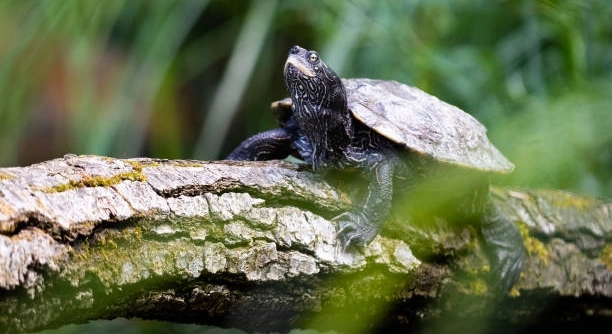
Map turtles are known for being selective eaters, but this behavior can sometimes be puzzling for their owners. Understanding why your map turtle only eats certain foods is key to ensuring they stay healthy and happy.
The most common reasons your map turtle may refuse certain foods include personal taste preferences, dietary imbalances, or even environmental factors such as water temperature and light exposure. Identifying the underlying cause can help resolve feeding issues.
By recognizing the factors influencing their eating habits, you can offer a more varied diet and ensure your turtle’s well-being. Keep reading to find out how to manage this behavior.
Common Reasons Map Turtles Are Picky Eaters
Map turtles may be selective eaters for several reasons. Some may simply prefer certain tastes or textures, just like people. They might show a preference for protein-rich foods like worms or insects over vegetables or pellets. This natural behavior can make feeding them challenging. It’s essential to offer a variety of options and observe what they seem to like best.
Turtles also need a balanced diet, so offering only one type of food, such as just protein or just vegetables, may not be enough for them. Providing a variety will help keep them healthy.
Additionally, environmental factors such as temperature and lighting can affect a turtle’s appetite. If the water temperature is too low or the basking area isn’t warm enough, your turtle might eat less or refuse food altogether. These factors can stress your turtle and alter its feeding habits.
The Importance of a Balanced Diet
A varied diet is essential to your turtle’s health. Just like other animals, map turtles need a mix of proteins, vegetables, and occasional fruits. Too much of one thing can lead to deficiencies.
Turtles that eat a consistent diet of only one type of food, like shrimp or lettuce, can quickly develop nutritional imbalances. For example, they may not get enough calcium or essential vitamins. A balanced diet not only supports their growth but ensures they have the energy needed for daily activities.
While it might take some trial and error to find the right food combinations, it is important to make sure that your turtle receives the nutrition it needs. Offering variety can encourage better eating habits, keeping them healthy and active. Rotate through different vegetables, pellets, and occasional treats to give them everything they need.
Impact of Water Temperature on Appetite
Water temperature plays a big role in how much your turtle eats. If the water is too cold, your turtle’s metabolism slows down, causing them to eat less. Proper water temperature helps regulate their digestion and overall activity levels.
Map turtles need water temperatures between 75-80°F (24-27°C) for optimal health. When the water is too cold, they may not feel hungry, which can affect their eating habits. It’s important to monitor and adjust the water temperature to avoid these issues.
If you notice your turtle is eating less during colder months, check the temperature and adjust the heater as needed. Keeping the water temperature consistent will ensure that your turtle feels comfortable and has a healthy appetite.
Lighting and Its Effect on Eating Behavior
Lighting is another factor that influences a map turtle’s eating habits. Turtles need UVB lighting to properly metabolize calcium and support their immune system. Without the right light, your turtle may not feel hungry.
Providing proper lighting with a combination of UVA and UVB rays mimics natural sunlight, which helps turtles regulate their internal clock. Poor lighting can lead to vitamin D3 deficiencies, which in turn affects appetite. If your turtle isn’t basking enough under the correct lighting, they might refuse food or become lethargic.
Make sure your turtle has access to a quality UVB light source, ensuring it stays healthy and hungry. Adjust the light according to the time of year and ensure they have a basking spot.
Stress and Its Effect on Eating Habits
Stress can also affect how much your map turtle eats. Changes in their environment, loud noises, or handling can cause stress and reduce their appetite. A stressed turtle may not want to eat or may be pickier about food.
Stress can also make your turtle more prone to illness. It’s important to keep their environment calm and quiet to reduce stress. Turtles need a safe, stable environment to feel comfortable enough to eat. If you’re moving them between tanks or making changes to their habitat, give them time to adjust.
Health Issues and Appetite Changes
If your turtle is eating less or only certain foods, it could be a sign of a health problem. Illnesses such as respiratory infections, parasites, or shell issues can make eating difficult.
A lack of appetite can sometimes signal that something is wrong. If the change is sudden and persistent, it’s important to consult with a vet. A professional can check for any underlying conditions that might be affecting their feeding habits. Healthy turtles generally eat well and maintain a good appetite.
Feeding Schedule and Its Impact on Eating Habits
The timing of your turtle’s meals can influence their eating behavior. Map turtles tend to eat better when they have a regular feeding schedule. If meals are inconsistent or irregular, they may become less interested in food.
Turtles are creatures of habit, so feeding them at the same time each day helps them develop a routine. Consistency allows them to anticipate meals and feel more comfortable eating. If they get used to regular feeding, they’re more likely to eat a wider range of foods.
FAQ
Why is my map turtle only eating certain types of food?
Your map turtle might be refusing certain foods due to personal preferences, environmental factors, or even health issues. Turtles, like many animals, can have likes and dislikes when it comes to food. If they’re avoiding certain types of food, it could be a matter of taste or texture. Environmental issues such as improper water temperature, lighting, or stress may also contribute to changes in their eating habits. Make sure you’re offering a balanced diet with a variety of foods and check the temperature and lighting conditions to ensure they’re ideal.
Can map turtles eat only protein?
Map turtles need a mix of protein, vegetables, and occasional fruits. While protein, such as insects, worms, and fish, is an essential part of their diet, feeding them only protein can lead to nutritional imbalances. Without enough fiber, vitamins, and calcium, your turtle’s health could be affected over time. A proper diet for map turtles should include a variety of foods to meet all their nutritional needs. Aim for a balanced mix of protein and plant-based foods to keep them healthy.
How often should I feed my map turtle?
The frequency of feeding depends on the turtle’s age. Juvenile map turtles should be fed daily, while adults can be fed every other day. This can vary based on their activity level, appetite, and size. It’s best to observe your turtle’s behavior and adjust the feeding schedule accordingly. Keep in mind that map turtles are opportunistic feeders, so they may eat more when they’re active and less when they’re in a resting phase. Regular feeding helps ensure that they maintain their health and energy.
Can stress cause my turtle to stop eating?
Yes, stress is a common cause of decreased appetite in map turtles. Stress can arise from various factors, including changes in the tank environment, improper water temperature, handling, or the presence of other animals. When a turtle is stressed, it may refuse food or become more selective in its eating habits. To reduce stress, provide a stable environment, keep noise levels low, and make sure your turtle has a comfortable basking spot and proper lighting. Keeping their environment calm can help them feel more at ease and encourage eating.
How can I tell if my map turtle is sick?
If your map turtle suddenly stops eating, becomes lethargic, or shows signs of respiratory issues (such as wheezing or labored breathing), these could be signs of illness. A sick turtle may also have changes in its shell, like swelling or soft spots. It’s important to consult a vet if you notice any of these symptoms or if your turtle’s eating habits change drastically. Prompt attention to health issues can prevent more serious complications and help your turtle recover quickly.
What are the signs that my turtle is not getting enough nutrition?
If your map turtle is not eating enough or only eating one type of food, it may show signs of malnutrition. Common symptoms include lethargy, poor shell growth, and weak or soft shells. In some cases, they may have abnormal eye conditions or difficulty moving. Providing a varied diet, including appropriate amounts of protein, vegetables, and calcium, is key to preventing nutritional deficiencies. If you notice any signs of malnutrition, it’s best to consult a veterinarian to get your turtle back on track.
Can I feed my map turtle store-bought pellets only?
While store-bought pellets can be part of your turtle’s diet, feeding them only pellets is not recommended. Pellets lack the variety of nutrients that your map turtle would naturally get in the wild. A healthy diet for your turtle should include a combination of fresh vegetables, fruits, and protein sources along with pellets. Offering variety not only ensures they get the right nutrients but also keeps feeding time more interesting for them.
What is the best type of food for my map turtle?
The best food for a map turtle includes a combination of protein, such as insects, fish, and worms, along with fresh vegetables like leafy greens (kale, dandelion greens), and occasional fruits like strawberries or apples. Pellets formulated for aquatic turtles can also be offered in moderation, as they are designed to provide essential nutrients. Calcium-rich foods like cuttlebone or calcium powder should also be part of their diet, as calcium is vital for shell health. Offering a variety of these foods ensures a balanced diet for your turtle.
Is it okay to feed my turtle live food?
Yes, feeding your map turtle live food such as insects or small fish can be beneficial. Live prey offers not only the nutritional value that your turtle needs but also stimulates their natural hunting instincts. However, it’s important to feed live food in moderation to avoid overfeeding or introducing harmful parasites. Always ensure the live food you offer is safe and free from chemicals or pesticides. Live food should be part of a balanced diet that also includes plant matter and pellets.
Final Thoughts
Map turtles are naturally selective when it comes to food, and there can be a variety of reasons for their pickiness. It could be related to personal preferences, their environment, or even health. Understanding what affects your turtle’s eating habits is crucial for making sure they stay healthy. Keeping a consistent feeding schedule, offering a range of foods, and monitoring their environment are key steps in supporting their appetite. By paying attention to these factors, you can provide a balanced diet and ensure your turtle remains active and happy.
Proper care goes beyond just feeding them the right foods. Map turtles rely on their environment to stay healthy, and things like water temperature, lighting, and stress levels can play a big role in their overall well-being. If your turtle isn’t eating well, check that the water temperature is at the right level and that they have proper UVB lighting for basking. Keeping their environment stable and stress-free will help improve their appetite and support their natural feeding instincts. Small changes to their habitat could make a noticeable difference.
If you ever notice that your map turtle is refusing food for a long period or showing signs of illness, it’s important to seek professional advice. Health issues can sometimes go unnoticed, and a vet can help identify any underlying problems that might be affecting their appetite. By taking the time to address these concerns early on, you can prevent more serious issues down the line. The right care, combined with a balanced diet and proper environment, will help ensure your map turtle thrives for years to come.

Hello,
If you enjoy the content that we create, please consider saying a "Thank You!" by leaving a tip.
Every little bit helps us continue crafting quality advice that supports the health, happiness, and well-being of pets around the world, for pets of all shapes, sizes, and species.
We really appreciate the kindness and support that you show us!