
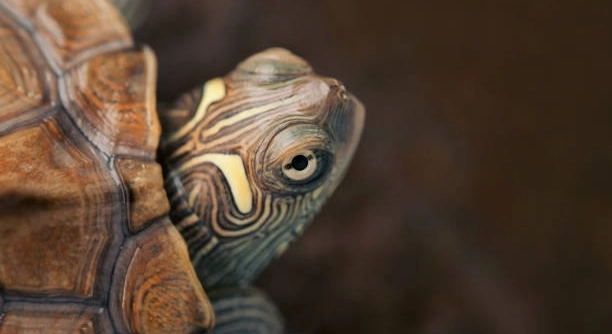
Map turtles are fascinating creatures with unique eating habits. One common observation is their tendency to feed primarily at night. Understanding the reasons behind this behavior can help ensure their well-being and provide better care for these aquatic pets.
Turtles, including map turtles, are often nocturnal feeders due to their natural instincts. In the wild, they are more active at dusk and dawn, and this behavior is carried over into captivity. A lower level of light or activity often triggers feeding behavior.
Understanding the factors that influence their feeding patterns is crucial in providing the right care and environment for your map turtle.
Natural Behavior of Map Turtles
Map turtles, like many reptiles, are more active during the night. This behavior comes from their instincts in the wild. They often seek food when the water is cooler and there is less sunlight, helping them avoid predators and conserve energy. In captivity, they may follow the same cycle. When the light dims in their environment, it signals to them that it’s time to hunt. They are not as motivated to eat during the daytime due to the brighter conditions and increased activity.
While it may seem unusual to us, this nocturnal feeding is a natural part of their behavior. Map turtles may not feel the need to feed during the day, especially if they have already consumed enough food at night. This is a sign that their biological rhythms remain intact even in a controlled environment.
You might notice your map turtle eating more when the lights are turned off or dimmed. These changes align with their instinctive feeding patterns, helping them feel comfortable enough to eat and digest properly.
Environmental Factors
Map turtles rely on their surroundings to dictate their eating habits. The lighting in their tank plays a significant role in when they eat. A brightly lit tank may deter them from feeding during the day, while dimming the lights or providing natural light cycles can encourage nocturnal feeding. Temperature also plays a role in their nighttime behavior. Turtles tend to feed when water temperatures are cooler, mimicking the conditions they would experience in their natural habitat. Keeping their environment as close to their natural settings as possible will help encourage a healthy feeding routine.
If your map turtle isn’t eating during the day, try adjusting the lighting and temperature. Mimicking their natural environment can ease this behavior. Map turtles are often most comfortable when their environment supports their instincts. Keeping these factors in mind can help ensure your turtle is both comfortable and well-fed.
Light and Darkness Cycle
Map turtles are heavily influenced by light and darkness. Their instincts guide them to seek food during low-light conditions, similar to the environment they would find in the wild. By ensuring that their tank has a day-night cycle, you can help replicate this natural rhythm.
If your turtle seems more active and eager to eat during the evening, it’s likely because the absence of bright light signals it’s time to feed. A timer can be useful for maintaining a consistent light-dark cycle, so the turtle knows when to expect food.
Map turtles tend to feel more secure and less stressed in lower light conditions. This helps them engage in their natural behaviors without feeling exposed. Adjusting your tank’s light exposure can support a healthy feeding routine while mimicking their natural habitat.
Temperature and Feeding Behavior
Temperature influences map turtle feeding behavior. They often feed more actively when the water is slightly cooler, similar to the conditions in their native environments. A drop in water temperature encourages them to eat, as they are more comfortable and can better digest their food.
By maintaining a temperature that is consistent with their natural habitat, you can encourage better feeding patterns. A thermometer can be used to track water temperature, ensuring it’s not too warm, which could discourage feeding. Map turtles thrive in water temperatures that range between 70°F and 80°F.
Adjusting the water temperature to this range ensures your map turtle will feel more comfortable and motivated to eat. Map turtles are more likely to feed in cooler water, which can reduce stress and help maintain their natural rhythm.
Stress and Feeding Habits
Stress can significantly impact a map turtle’s eating schedule. If the tank is too noisy or there’s too much activity, they may feel threatened and avoid eating. Ensuring a calm environment can help your turtle feel secure enough to feed, particularly during the night.
Providing a stable and quiet space for your map turtle is crucial for their feeding habits. Without distractions or disturbances, your turtle will feel more comfortable to eat when the lights are off. Maintaining peace and order in the tank can help reduce their stress levels and improve their overall health.
Adjusting to Captivity
Map turtles often take time to adjust to new surroundings, and their feeding habits may change during this transition. In the wild, they follow a natural rhythm, but captivity can affect their behavior until they adapt. This adjustment period may lead to irregular feeding times, particularly at night.
By allowing your map turtle time to settle into its new environment, you’ll help them adjust to the light, temperature, and feeding schedule. Ensure that the tank is set up in a way that mimics their natural habitat, offering them time to relax and feel comfortable.
Tank Size and Feeding Frequency
The size of the tank plays a key role in your map turtle’s feeding behavior. A tank that is too small can cause stress and make your turtle feel crowded, which may affect when they decide to eat. A spacious tank allows for freedom of movement and encourages natural behaviors, including feeding at night.
In a larger tank, your turtle will have space to swim and explore. This freedom helps reduce stress and allows them to follow their natural feeding patterns. A bigger tank also helps maintain better water quality, which can lead to improved appetite and better overall health.
FAQ
Why does my map turtle only eat at night?
Map turtles are naturally more active at night, which is why they often eat during those hours. In the wild, they are primarily active at dawn and dusk, hunting for food when it’s cooler and safer. Captivity may mimic these conditions, making your turtle more likely to feed at night rather than during the day. Adjusting their environment, such as dimming the lights, can help trigger this nocturnal feeding behavior.
Can stress cause my map turtle to stop eating?
Yes, stress can greatly affect a map turtle’s appetite. Factors like loud noises, changes in the environment, or overcrowded tanks can make your turtle feel unsafe. Stress can suppress their desire to eat, particularly if they feel threatened or unable to relax. Creating a peaceful, stable environment in the tank can help reduce stress and encourage feeding, especially at night.
Should I change the temperature of the water to get my turtle to eat?
Adjusting the water temperature can encourage feeding. Map turtles naturally feed in cooler water temperatures, so maintaining a water temperature between 70°F and 80°F is ideal. If the water is too warm, it might discourage feeding. Regularly checking the water temperature and making small adjustments can help your turtle feel more comfortable and prompt them to eat.
How do I encourage my map turtle to eat during the day?
To encourage daytime feeding, consider adjusting the lighting in their tank. Map turtles may prefer lower light conditions for feeding, so providing a more natural day-night cycle can help. Ensure the tank is quiet, as loud sounds or movement can stress the turtle and deter eating. You can also offer food during the day when the environment feels more calm.
Is it normal for map turtles to refuse food occasionally?
It’s common for map turtles to refuse food from time to time. They are not always hungry and may skip meals, especially if they have eaten enough recently or if the environment is not conducive to feeding. This behavior is normal and usually not a cause for concern. However, consistent refusal to eat may indicate other health issues or environmental stress.
How much should I feed my map turtle?
Feeding frequency depends on the age and size of your turtle. Juvenile map turtles require more food than adults, typically eating daily or every other day. Adults may eat less frequently, around 2-3 times per week. It’s important to offer a balanced diet with protein and plant-based food, ensuring you avoid overfeeding. Adjust the portions based on their activity level and size.
Do map turtles need UVB lighting for eating?
Yes, UVB lighting is essential for the overall health of your map turtle. While it doesn’t directly affect eating habits, UVB light helps them absorb calcium and maintain healthy bones. A proper UVB light setup can encourage your turtle’s overall well-being, which indirectly supports a regular feeding schedule.
Why is my map turtle only eating certain foods?
Map turtles can be selective with their diet, especially if they’re used to a specific type of food. They may prefer certain types of protein, such as fish or insects, over vegetables. To broaden their diet, offer a variety of food types and rotate their meals. If they continue to be selective, check that the food is fresh and properly prepared.
Can I leave food in the tank for my map turtle?
Leaving food in the tank for your map turtle is not ideal. Uneaten food can pollute the water and affect the tank’s water quality. It’s best to remove any leftover food after 15-20 minutes to maintain a clean environment. If your turtle is hesitant to eat, try offering smaller portions at a time.
How do I know if my map turtle is healthy?
Healthy map turtles are active, have clear eyes, and exhibit natural behaviors like basking and swimming. They should have a clean, smooth shell without noticeable cracks or discoloration. If your turtle is consistently refusing food, has a swollen body, or appears lethargic, it may be a sign of illness and should be checked by a vet.
Can I feed my map turtle live prey?
Yes, live prey such as small fish or insects can be a good source of protein for map turtles. However, it’s important to offer prey that is appropriately sized and free of harmful chemicals. Live prey should not be the only food offered, and a varied diet is important for their long-term health.
Why does my map turtle eat only in certain spots in the tank?
Map turtles may prefer to eat in specific spots within the tank that make them feel secure or where they associate food with feeding time. This behavior is normal, especially if they feel safe and comfortable in certain areas. You can try offering food in different locations to see if they become more comfortable eating in various spots.
What types of food should I offer my map turtle?
Map turtles are omnivores, so their diet should include a mix of protein and plant-based foods. You can offer them commercial turtle pellets, live or frozen fish, insects, and leafy greens like kale, dandelion, and water plants. It’s important to vary their diet to provide all the necessary nutrients and prevent boredom.
How long can a map turtle go without eating?
Map turtles can go without food for several days, especially if they are not particularly hungry or are in a colder environment. However, prolonged fasting or refusal to eat could signal an underlying health issue. If your turtle stops eating for an extended period, it’s best to consult with a veterinarian.
Final Thoughts
Map turtles are fascinating creatures with distinct eating habits. While they often eat at night, this behavior is largely due to their natural instincts and the conditions they are kept in. In the wild, these turtles are more active during dusk and dawn, seeking food when the environment is cooler and safer. In captivity, they may adopt similar routines, especially if their tank setup mimics their natural habitat. Factors like lighting, water temperature, and tank environment can all influence when and how they feed. Understanding these behaviors can help you provide a more comfortable and healthy environment for your map turtle.
However, if your turtle is consistently eating only at night and refuses food during the day, it’s important to observe other factors that could be affecting their eating habits. Stress, improper tank setup, or water quality can all impact their appetite. It’s essential to maintain a calm and stable environment in the tank, ensuring that the water temperature is consistent, the lighting cycle is natural, and the turtle has enough space to move freely. If your map turtle is not eating during the day or showing other signs of stress, it may be worth considering a change in the tank’s conditions or seeking advice from a veterinarian.
Ultimately, each map turtle is unique, and their feeding habits will depend on various factors. As a pet owner, it’s crucial to pay attention to their behavior and make adjustments where needed. With patience and care, you can help your map turtle establish a healthy feeding routine, whether it’s during the day or at night. Monitoring their diet and ensuring they receive proper nutrition is key to maintaining their overall health. By staying observant and proactive, you can ensure your turtle thrives in its environment and stays healthy for years to come.

Hello,
If you enjoy the content that we create, please consider saying a "Thank You!" by leaving a tip.
Every little bit helps us continue crafting quality advice that supports the health, happiness, and well-being of pets around the world, for pets of all shapes, sizes, and species.
We really appreciate the kindness and support that you show us!