
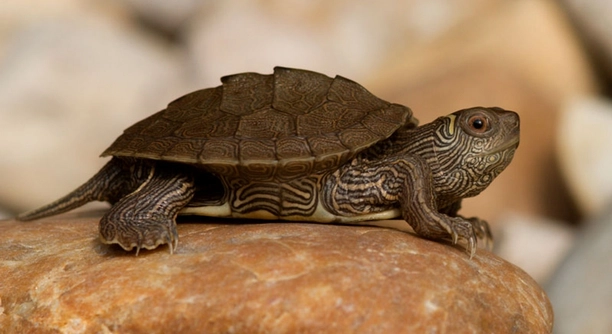
Map turtles are fascinating creatures, and if you have one as a pet, you may have noticed it following your finger. It’s a quirky behavior that can leave you wondering why they do this.
The main reason your map turtle follows your finger is due to their natural instinct to track movement. Turtles, especially young ones, are attracted to stimuli they can see and are curious about potential food or interaction, leading them to follow your hand.
Understanding the behavior helps in ensuring you can bond with your turtle in a healthy way. Exploring what motivates your turtle will give you a better understanding of its instincts and care needs.
Why Do Map Turtles Follow Movement?
Map turtles have excellent vision, which plays a big role in their behavior. They are constantly scanning their surroundings for anything that moves, whether it’s potential prey or a threat. When they see your finger moving, their instinct is to track that movement, often out of curiosity. In the wild, they would follow similar movements to find food or shelter. Your finger mimics this kind of action, triggering their natural instinct to follow. This is especially common in younger turtles, who are still developing their behavior patterns. Their attention is drawn to the moving object, and they follow it to see if it brings food or something else of interest.
They’re not trying to get your attention intentionally. Instead, it’s more of a response to movement that they associate with potential food or something intriguing.
If you notice this behavior often, it might also indicate your turtle’s eagerness for interaction. If you’re using your finger as a form of play or feeding behavior, they may start associating it with positive outcomes like food. This connection reinforces the response to your movement.
Does This Mean They’re Hungry?
Sometimes, the movement following behavior may simply be a hunger response. When map turtles are hungry, they may focus on anything that moves, associating it with food. This can be more noticeable when they are actively searching for a meal, and their instincts tell them that following movement could lead to food. A hungry map turtle has a heightened sensitivity to anything that could satisfy its hunger. This isn’t always the case, but it’s a common reason for this behavior.
As your map turtle grows more accustomed to you, it may begin to differentiate between movements that indicate food and those that do not. Still, their curiosity doesn’t fully go away, and they might follow your hand regardless. This instinct is deeply embedded in their behavior patterns, and over time, they learn to recognize when their efforts will be rewarded.
Proper feeding routines and not overfeeding will help prevent this behavior from becoming overly reliant on you or linked too closely with food.
How Do Turtles See Movement?
Turtles have a wide field of vision, which helps them spot movement from a distance. Their eyes are positioned on the sides of their head, allowing them to see things coming from various angles. When something moves, like your finger, they immediately focus on it, trying to make sense of it. This is why map turtles seem so interested in following the motion of your hand.
Their vision is not as sharp as that of humans, but it is designed to detect motion, especially when it’s at a distance. Turtles rely more on motion than on fine details. This helps them react to predators or potential food sources. Their ability to track movement helps them survive in the wild.
As they follow your finger, they may be processing it as a moving object that could lead to something interesting, like food or attention. This instinct is hard to ignore, and it’s one of the main ways they interact with their environment. Even small movements capture their attention.
Why This Behavior Can Be Seen in Captivity
In captivity, map turtles may not have to worry about food hunting the same way they would in the wild. However, their instincts to track movement still remain strong. When you move your finger in front of them, it triggers a natural response to follow and investigate. This behavior is often more noticeable when you’re feeding them. They may associate your movements with food and follow it closely, hoping for a meal.
It’s important to note that this is not a sign of distress or fear. Instead, it’s simply a behavior rooted in their survival instincts. Map turtles are curious animals, and they’re naturally drawn to movement. The more they get used to seeing you as a source of food or interaction, the more they may follow your finger, expecting something positive to happen.
This can also be a way for your turtle to bond with you. Although it may seem like they are simply following you around, they might be more comfortable and engaged in their environment when you’re nearby. This behavior is part of the turtle’s social interaction process.
What Triggers Map Turtle Curiosity?
Map turtles are naturally curious creatures, often attracted to moving objects. When they see your finger move, they instinctively react to it, following it as if it could be a potential food source. This is a natural behavior that helps them explore their environment and stay alert.
In the wild, they rely on their sense of sight to detect predators and food. This behavior carries over in captivity, where their curiosity is still sparked by the smallest movement. It’s their way of investigating and interacting with what’s in their surroundings.
Do Map Turtles Get Bored?
Yes, map turtles can get bored in captivity if they don’t have enough stimulation. Boredom can lead to repetitive behaviors like following your finger, which becomes a way to engage with their environment. Without proper enrichment, they might focus more on you for entertainment.
Providing them with a variety of things to explore, like hiding spots, different textures, or even objects to swim around, helps keep them mentally engaged. Boredom is common in pets that don’t have enough to do, so adding new things to their habitat can prevent them from becoming too reliant on following movements for stimulation.
Can This Behavior Be Controlled?
Yes, this behavior can be managed with a little effort. When you notice your turtle following your finger, you can try to redirect its attention to other activities, like feeding or exploring new parts of its habitat. By providing enough stimulation and exercise, you can help reduce the frequency of this behavior.
FAQ
Why does my map turtle follow my finger?
Map turtles are highly responsive to movement. Their keen vision allows them to track moving objects in their environment, which is often a sign of curiosity or the potential for food. When you move your finger, your turtle sees it as something worth investigating. This instinct is embedded in their behavior, whether they’re in the wild or in captivity.
Is my map turtle just looking for food?
Food is often a big motivator for your turtle. They might associate your hand movement with being fed, which is why they follow it closely. In the wild, they would follow movement to find prey or investigate a possible food source. Your turtle may simply think that the movement of your finger means food is near, prompting it to follow you.
How can I stop my map turtle from following my finger all the time?
The behavior can be controlled by redirecting their focus. First, try providing more engaging activities for your turtle, like different textures in its tank or objects to explore. If they’re busy investigating new things, they may not pay as much attention to your finger. Additionally, reducing the frequency of interactions that lead to the behavior can also help. Don’t always give your turtle food when it follows your finger, so it doesn’t form a direct link between the two.
Does following my finger mean my map turtle is bonding with me?
In a way, yes. When your turtle follows your finger, it could be a sign of familiarity and comfort around you. While this is mostly driven by curiosity, over time, your turtle may recognize your movements as part of its routine. This doesn’t necessarily mean that they see you as a companion in the way humans bond with pets, but they are becoming more accustomed to your presence.
Can I train my map turtle not to follow my finger?
Training a turtle is not as straightforward as with some other pets, but you can certainly encourage certain behaviors. The key is to reinforce what you want to see and redirect unwanted behavior. If your turtle constantly follows your finger, try providing more variety in their environment. Using treats or rewards for different behaviors can also help distract them from the habit of finger-following.
Should I be concerned if my map turtle follows my finger too much?
Generally, this behavior isn’t a cause for concern. It’s rooted in instinct and curiosity. However, if your turtle’s focus on following your finger becomes obsessive or if it leads to stress, you might want to provide more stimulation in its environment. Stress can cause health problems, so ensuring your turtle has a comfortable, engaging habitat will help prevent that.
How do I make sure my map turtle stays healthy while engaging in this behavior?
Keeping your turtle mentally and physically healthy means providing an enriching environment that goes beyond finger-following. Make sure your turtle has space to move around, places to hide, and things to interact with, like water features and floating objects. This can help satisfy their curiosity without the need to follow your finger. Also, feed your turtle a balanced diet and monitor its overall health to make sure the behavior is not a sign of stress.
Is there a specific age when map turtles are more likely to follow my finger?
Younger turtles are typically more curious and more likely to follow your finger. As they grow older, they might become less interested in tracking your hand movements, especially if they have been provided with enough environmental enrichment. The initial curiosity of young turtles can make them more likely to exhibit behaviors like following movement. This behavior often decreases as they mature and become more accustomed to their surroundings.
Can my map turtle learn to stop following my finger?
Map turtles can be trained to some extent. While they may not stop following your finger entirely, they can learn to focus on other things. By providing alternatives, like stimulating toys or areas to explore, you can distract them from the constant focus on your hand. Over time, this can reduce the behavior. Positive reinforcement is key. Using a structured routine of feeding and interaction can also help establish better patterns.
How do I tell if my map turtle is following my finger out of stress or curiosity?
If your turtle is following your finger out of curiosity, it will typically be calm and relaxed. There should be no signs of agitation, such as rapid movements, hiding, or erratic swimming. However, if it is following your finger out of stress, it may show signs of discomfort, like avoiding certain areas, hiding more often, or having a decreased appetite. Pay attention to other behaviors and body language to help differentiate between curiosity and stress.
Final Thoughts
Map turtles are fascinating creatures, and their behavior can sometimes leave you puzzled, especially when they follow your finger. This instinctive reaction is largely due to their sharp vision and natural curiosity. As they track movement in their environment, they may view your finger as something to investigate, especially if they associate it with food or interaction. This behavior is common and is part of their normal reaction to stimuli. It’s important to understand that they aren’t doing this out of a desire for attention, but rather due to an inborn drive to explore and respond to movement.
Understanding why your map turtle follows your finger can help you bond with them better. By recognizing this behavior as a sign of curiosity or potential food-seeking, you can use it to your advantage. For example, you can offer food or treats as a reward when they follow your finger in a controlled way. Alternatively, you can redirect their attention to other objects or activities, helping to create a more enriching environment. Engaging with your turtle in ways that are both stimulating and rewarding will lead to a more positive relationship, and will reduce any repetitive behaviors that may arise.
Lastly, while finger-following is mostly harmless, it’s important to make sure your turtle’s environment is well-rounded and fulfilling. Providing a variety of textures, hiding spots, and objects to interact with can reduce the need for your turtle to focus solely on following your hand. By giving your map turtle enough stimulation and opportunities to engage with their surroundings, you help ensure their overall health and happiness. This will also minimize any stress they may feel from boredom or over-reliance on your movements. Through a balanced approach, you can create a comfortable, engaging home for your turtle, allowing them to thrive both physically and mentally.

Hello,
If you enjoy the content that we create, please consider saying a "Thank You!" by leaving a tip.
Every little bit helps us continue crafting quality advice that supports the health, happiness, and well-being of pets around the world, for pets of all shapes, sizes, and species.
We really appreciate the kindness and support that you show us!