
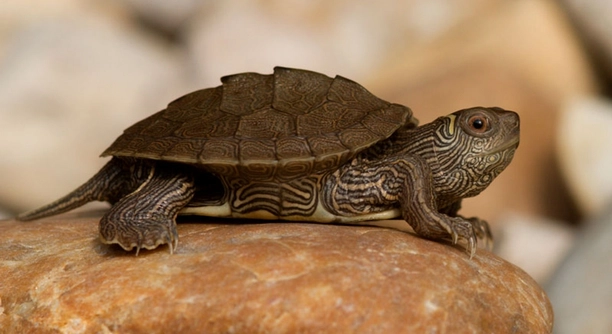
Map turtles are known for their balanced swimming, but sometimes they may lose their ability to stay steady in the water. Understanding why this happens is key to helping your turtle regain its stability and health.
The most common cause for a map turtle losing balance in the water is an issue with its buoyancy. This could be linked to a number of factors, such as poor diet, water quality, or underlying health conditions that affect the turtle’s ability to float properly.
Taking care of these factors will guide you in resolving the issue and ensuring your map turtle is happy and stable again in its aquatic home.
Causes of Imbalance in Map Turtles
A map turtle’s inability to maintain balance in the water is often caused by several environmental and health-related factors. One common issue is poor water quality. Turtles rely on clean, well-maintained water to stay healthy, and dirty water can lead to a range of health issues. Contaminants and harmful bacteria can affect their buoyancy, making it hard for them to stay balanced.
Another potential cause is an improper diet. Map turtles need a balanced diet rich in calcium and other essential nutrients to maintain their shell and overall health. Without the right nutrition, they may become weakened, leading to issues with their buoyancy and swimming abilities. Overfeeding or underfeeding can also cause health problems that contribute to balance issues in the water.
To fix this, start by cleaning the tank and checking water parameters such as pH, temperature, and ammonia levels. Offering your turtle a well-rounded diet will help improve its health and swimming skills. Sometimes, an imbalance could also indicate an underlying health issue that needs professional attention.
How to Improve Your Turtle’s Health
One of the best things you can do to support your turtle’s health is to ensure proper water conditions. This means regularly changing the water and using a filter to keep it clean.
Feeding your map turtle a variety of food will help support its health and buoyancy. Include leafy greens, commercial turtle food, and occasional protein like insects or fish. Offer these foods in moderation to avoid overfeeding, which can cause other issues.
For turtles that still struggle with balance, a visit to a vet can help identify any potential health problems. Your vet will guide you on the best care routine and recommend treatments if necessary.
Water Quality and Its Impact on Balance
Poor water quality can directly affect your map turtle’s ability to stay balanced. If the water is too dirty or contains harmful chemicals, it can disrupt the turtle’s natural buoyancy. This can cause it to become unsteady while swimming, as the contaminants may also impact its shell and overall health.
To improve water quality, regularly clean the tank, remove any uneaten food, and check the filter. Consider using a water test kit to ensure the correct levels of pH, ammonia, and nitrate. Keeping the water clean will provide your turtle with a healthier environment, promoting better buoyancy and more stable swimming.
Diet Adjustments for Improved Buoyancy
A balanced diet plays a major role in your turtle’s ability to maintain buoyancy. If your map turtle isn’t getting the right nutrients, it might struggle with balance in the water. Calcium deficiency, in particular, can weaken the shell, affecting buoyancy and swimming stability.
To ensure a balanced diet, feed your turtle a mix of leafy greens, commercial turtle pellets, and occasional protein sources like worms or fish. Make sure to offer food that’s high in calcium to support strong bones and shell development. You can also consider adding supplements if needed, but avoid overfeeding to prevent other issues.
Possible Health Issues Affecting Balance
Health problems such as respiratory infections or parasites can cause your map turtle to lose its balance in the water. These health conditions may weaken the turtle’s overall strength, affecting its swimming ability and causing it to float unevenly.
If your turtle has any visible signs of illness, such as lethargy, loss of appetite, or abnormal floating, it’s time to consult a vet. Health issues can be difficult to detect early on, so regular checkups are important to keep your turtle in good condition and avoid further complications.
Improving Your Turtle’s Habitat
Ensuring that your turtle’s habitat mimics its natural environment is crucial for its well-being. A larger tank with plenty of space for swimming and basking is key to its health. Avoid overcrowding and provide both aquatic and dry areas for your turtle to move between freely.
You should also provide UVB lighting, as this helps with vitamin D3 production, which supports calcium absorption and overall health. Proper heating is essential to maintain the water at an appropriate temperature, allowing your turtle to stay active and healthy.
FAQ
Why is my map turtle floating on its back?
If your map turtle is floating on its back, it could be due to an air bubble trapped in its body, or an issue with its internal organs. In some cases, it may indicate a problem with its buoyancy control. The best approach is to examine the water quality and diet to rule out any external factors. If the problem persists, it’s crucial to consult with a vet to check for health issues such as infections or organ malfunction.
Can poor water quality cause my turtle to lose balance?
Yes, dirty water can impact your turtle’s balance. Polluted or improperly filtered water may introduce harmful bacteria or toxins, affecting your turtle’s health. A clean tank is essential for proper buoyancy, as it ensures your turtle’s environment supports its natural ability to swim and float without difficulty. Keeping water conditions stable is a simple but effective way to help restore balance.
How can I tell if my turtle is sick?
Sick turtles may show signs like loss of appetite, lethargy, abnormal swimming, or floating issues. You might also notice visible changes in their shell, eyes, or skin. If your turtle is swimming in circles or having trouble staying upright, it’s a sign that something is wrong. A vet can provide the right treatment if any of these symptoms appear.
What should I do if my turtle is not eating?
If your map turtle isn’t eating, it could be due to stress, poor water quality, or an imbalance in its diet. Try adjusting its tank environment by improving water conditions, providing a variety of fresh food, and reducing any sources of stress like excessive noise or tank mates. If your turtle still refuses to eat, seek professional help from a vet to check for any underlying health issues.
How often should I change my turtle’s water?
Regular water changes are important for maintaining a clean and healthy environment for your map turtle. It’s recommended to change about 25-50% of the water every 1-2 weeks, depending on the size of the tank and the number of turtles. For tanks with high waste levels, more frequent changes may be necessary. Always test the water before adding it back into the tank to ensure it’s safe for your turtle.
Can my map turtle recover from a respiratory infection?
Yes, with prompt treatment, most map turtles can recover from respiratory infections. Early signs include wheezing, swollen eyes, or a lack of appetite. If you suspect your turtle has a respiratory infection, it’s important to consult a vet. They may prescribe antibiotics or other treatments to help your turtle recover.
What is the best way to feed my map turtle?
A balanced diet is crucial for your turtle’s overall health. Offer a mix of leafy greens, aquatic plants, and protein sources like insects or small fish. Avoid overfeeding, as this can lead to obesity and other health problems. A good rule of thumb is to feed your turtle once a day, with a variety of food each week. Make sure to remove any uneaten food to prevent water contamination.
How can I prevent my turtle from losing its balance in the future?
To prevent balance issues, maintain clean water, provide a proper diet, and ensure your turtle has access to adequate basking areas. Keep an eye on its health by scheduling regular vet checkups. Make sure to avoid rapid changes in water temperature or any environmental stressors that could impact its well-being. A consistent, healthy routine will go a long way in ensuring your turtle’s stability in the water.
Is it safe to keep multiple map turtles in the same tank?
Yes, but you need to consider the size of the tank. If you plan to keep multiple map turtles together, ensure that the tank is large enough to accommodate them without overcrowding. Additionally, make sure there are plenty of hiding spots, basking areas, and food sources to avoid competition and stress. Keeping a suitable number of turtles in a spacious, well-maintained tank will help them thrive.
What should I do if my turtle keeps swimming in circles?
Swimming in circles can indicate an underlying issue such as stress, poor water conditions, or a neurological problem. Start by checking the water quality and adjusting it if necessary. If the behavior continues, it’s best to consult a vet to rule out any health concerns, including infections or neurological damage.
Final Thoughts
Keeping a map turtle healthy and balanced in the water requires attention to various factors such as water quality, diet, and overall habitat conditions. Small changes in its environment or diet can lead to noticeable improvements in its ability to maintain balance and swim comfortably. By ensuring that the water is clean and the diet is well-rounded, you can create the best possible environment for your turtle to thrive. Regular checks on water parameters and observing any changes in behavior can help catch potential issues early before they become more serious.
Health issues like respiratory infections or internal organ problems can sometimes lead to balance issues. If your map turtle is struggling with its balance, it’s important to assess the situation quickly. A vet consultation is key if you suspect illness, as prompt treatment can make a big difference in recovery. It’s also important to maintain a low-stress environment and provide adequate space for your turtle to swim freely and bask comfortably. Any changes in behavior should not be ignored, as they can be indicators of underlying health concerns that require professional attention.
Long-term care involves consistent monitoring of both physical and environmental factors. Regular water changes, feeding a balanced diet, and making sure your turtle has enough space to move around will all contribute to its well-being. While the loss of balance in water can be concerning, it can often be addressed with simple changes to your turtle’s tank and care routine. Taking the time to maintain a healthy, stress-free habitat is the best way to ensure your map turtle stays happy and balanced in the water for years to come.

Hello,
If you enjoy the content that we create, please consider saying a "Thank You!" by leaving a tip.
Every little bit helps us continue crafting quality advice that supports the health, happiness, and well-being of pets around the world, for pets of all shapes, sizes, and species.
We really appreciate the kindness and support that you show us!