
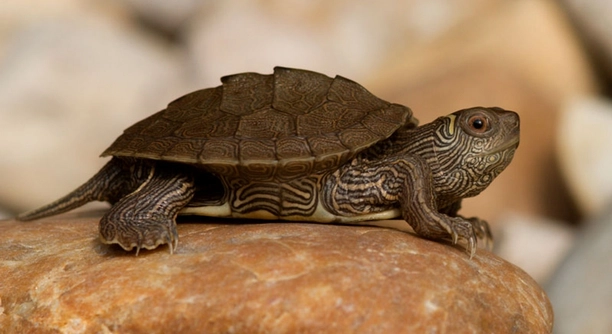
Map turtles are a species of freshwater turtle found in rivers, lakes, and marshes. They are known for their distinct markings and behaviors that help them adapt to their environment. In the wild, they lead fascinating lives.
In the wild, map turtles spend their time basking in the sun, foraging for food, and swimming in calm waters. Their behavior revolves around finding food, protecting themselves from predators, and staying warm. Map turtles are primarily solitary animals.
Their habits are essential for their survival in the wild. Understanding these behaviors can offer insights into how they thrive in their natural habitat.
Habitat and Environment of Map Turtles
Map turtles are typically found in freshwater environments, such as rivers, lakes, and marshes. They prefer areas with slow-moving water and plenty of basking spots, such as logs, rocks, and sunny riverbanks. These turtles are highly adaptable to various climates, from the warm southern United States to cooler northern regions.
Map turtles are also found in areas with dense vegetation and soft mud, which helps them hide from predators. They can thrive in diverse conditions, but the availability of clean, shallow water is essential for their survival. This is where they forage for food and regulate their body temperature by basking in the sun.
In the wild, map turtles stay close to the water, and they avoid areas with strong currents or deep waters. Their habitat needs are straightforward but crucial for their health. Having access to food sources like aquatic insects, plants, and small fish ensures they can maintain a healthy diet and survive.
Behavior Around Water
Map turtles are excellent swimmers, using their webbed feet to paddle through water. They are known to dive and swim in search of food, avoiding predators like birds and large fish. When in the water, they also exhibit social behavior, especially in the warmer months.
These turtles tend to bask in groups, especially on sunny days. They enjoy lounging on rocks or logs close to the shore. During this time, they warm up their bodies, an essential part of their survival as they are cold-blooded reptiles. When the sun begins to set or if a predator approaches, map turtles quickly retreat to the safety of the water.
Their ability to adapt to different types of freshwater environments makes them resilient creatures. Despite this, they remain sensitive to changes in their habitat, such as pollution or habitat destruction. Such disturbances can lead to challenges in finding food or shelter.
Feeding Habits of Map Turtles
Map turtles are omnivores, primarily feeding on aquatic plants, small fish, and insects. They use their sharp jaws to crush hard-shelled prey, like snails, and often forage along the water’s edge. They are opportunistic feeders, adjusting their diet based on available food sources.
These turtles are known for their preference for small, slow-moving prey. They may also consume algae and aquatic vegetation, which are abundant in their freshwater habitats. Map turtles forage both during the day and at night, taking advantage of low light conditions when predators are less active. This feeding behavior helps them stay nourished while avoiding danger.
Map turtles also exhibit a fascinating habit of foraging in groups. In areas with abundant food, they may share space, though they remain somewhat territorial. They have adapted to their environment by learning to seek out diverse food sources and feeding patterns.
Reproductive Behavior of Map Turtles
During the breeding season, male map turtles engage in courtship rituals to attract females. They will often approach a female and use their long front claws to gently stroke her head or neck. This behavior signals interest and is a key part of the mating process.
After mating, females will travel to dry land to lay their eggs. They search for suitable nesting sites, often near the water’s edge, where the soil is soft and warm. Once a nest is found, the female digs a hole and lays a clutch of eggs. She then covers the eggs and returns to the water, leaving the eggs to incubate.
The eggs hatch after several months, and the young map turtles emerge, instinctively heading for the water. This reproductive strategy ensures that their young are born in the most suitable environment for survival. With a steady population of map turtles, their reproductive behavior plays a crucial role in maintaining their species.
Predators of Map Turtles
Map turtles have several natural predators. Birds of prey, such as hawks and eagles, are a significant threat, especially to young turtles. Large fish, such as pike or bass, may also target them. Additionally, raccoons and other mammals will prey on turtle eggs if they can access the nests.
Despite their strong shell, young map turtles are particularly vulnerable to predators. As they grow older and their shells become tougher, their chances of survival increase. However, their reliance on hiding and swimming quickly to escape danger remains a key aspect of their survival strategy in the wild.
Map Turtles and Territorial Behavior
Map turtles are not overly territorial but do exhibit some territorial tendencies. Males, especially, can be protective of their basking spots, and will often defend these areas from other males. They do this through aggressive postures or slight displays of dominance.
Females, on the other hand, are less territorial and typically share basking areas with other turtles without much conflict. However, when it comes to nesting sites, females will often seek out secluded spots to ensure the safety of their eggs. Territorial behavior among map turtles is most prominent when food or sunbathing space is limited.
Map Turtle Lifespan
Map turtles can live for quite a long time, with an average lifespan of 30 to 40 years in the wild. In some cases, they have been known to live even longer. Their longevity is attributed to their slow metabolic rate and ability to avoid many natural threats.
During their lifetime, map turtles face various challenges, such as predation and environmental changes. However, their hard shells, ability to hide, and adaptability help them survive in diverse environments. Many of them thrive in stable habitats where resources are abundant, and they can live out their full lifespan.
FAQ
What do map turtles eat?
Map turtles are omnivores, meaning they eat a variety of food. Their diet includes aquatic plants, small fish, insects, snails, and even algae. They forage for food in and around the water, using their sharp jaws to break open hard-shelled prey like snails. Their diet varies depending on what is available in their environment, and they are opportunistic feeders, eating whatever they can find.
Where do map turtles live?
Map turtles live in freshwater habitats, such as rivers, lakes, ponds, and marshes. They prefer calm, slow-moving waters and often seek out areas with dense vegetation and plenty of basking spots, like rocks and logs. These habitats provide both food and shelter, allowing map turtles to thrive in various environments.
How do map turtles reproduce?
During the breeding season, male map turtles perform courtship displays to attract females. Males use their long claws to stroke the female’s head or neck as a sign of interest. After mating, females leave the water to lay their eggs in soft, warm soil near the water’s edge. They dig a hole, lay their eggs, and cover them before returning to the water. The eggs hatch after a few months, and the baby turtles instinctively head to the water.
Do map turtles make good pets?
While map turtles can make interesting pets, they require a specific environment to thrive. They need a tank with both water for swimming and a dry basking area. You must provide proper lighting, a UVB light for their shells, and a balanced diet. Map turtles also need regular cleaning to keep their tank safe and healthy. Keep in mind that they can live for decades, so caring for them is a long-term commitment.
How long do map turtles live?
Map turtles can live anywhere from 30 to 40 years in the wild, and in some cases, they can live even longer in captivity with proper care. Their long lifespan is due to their slow metabolic rate, ability to avoid predators, and adaptability to different environments. Proper diet, habitat, and protection from predators can help ensure they live a long, healthy life.
Are map turtles endangered?
Some species of map turtles are considered endangered or threatened due to habitat destruction, pollution, and illegal collection for the pet trade. Efforts are being made to protect their natural habitats and prevent further harm. Conservation programs focus on preserving freshwater ecosystems and educating the public about the importance of protecting these species.
What predators do map turtles have?
Map turtles face a variety of predators, including birds of prey like hawks and eagles, as well as large fish such as pike and bass. Young turtles are especially vulnerable, but as they grow, their hard shells offer more protection. Raccoons and other mammals also pose a threat to their eggs, often digging up nests to feast on them.
How do map turtles avoid predators?
Map turtles use their shells as a primary defense mechanism against predators. When threatened, they quickly retreat into the water, where they can escape and hide. They are also excellent swimmers, and their ability to dive and hide under rocks or plants helps keep them safe. In addition, their solitary nature and ability to blend into their environment help them avoid detection.
How much space do map turtles need?
Map turtles need a tank or pond that allows them enough room to swim and bask. A general guideline is to provide at least 10 gallons of water for each adult turtle. If they are kept in a tank, it should have a designated dry area for basking. A larger space will ensure they can move freely and remain healthy.
What should I feed my map turtle?
Map turtles require a balanced diet that includes both animal and plant-based foods. You can feed them aquatic insects, small fish, snails, and some vegetables like leafy greens. They also enjoy algae and other aquatic plants. It’s important to vary their diet to ensure they receive the proper nutrients for growth and health.
Final Thoughts
Map turtles are fascinating creatures with unique behaviors and distinct traits. They are well adapted to life in freshwater environments, where they thrive by swimming, basking, and foraging for food. Their ability to avoid predators using their tough shells and quick swimming skills helps ensure their survival. While their diet is varied and flexible, they rely on a mix of aquatic plants, insects, and small animals to meet their nutritional needs.
Though map turtles can make interesting pets, they require specific care to thrive in captivity. Providing the right tank setup, including a water source for swimming and a dry area for basking, is essential. Proper lighting, including UVB rays, is crucial for their shell health. A balanced diet with varied food sources will help them grow and stay healthy. It is also important to maintain a clean environment, as map turtles can be sensitive to water quality and hygiene. Their long lifespan means that owning a map turtle is a long-term commitment, and potential pet owners should be prepared for the responsibility.
Conservation efforts are critical to the survival of some map turtle species, as many face threats in the wild, such as habitat destruction and illegal collection. By raising awareness about their needs and importance in the ecosystem, we can work to protect these unique reptiles. Whether in the wild or in captivity, map turtles deserve careful attention to ensure they continue to thrive for years to come.

Hello,
If you enjoy the content that we create, please consider saying a "Thank You!" by leaving a tip.
Every little bit helps us continue crafting quality advice that supports the health, happiness, and well-being of pets around the world, for pets of all shapes, sizes, and species.
We really appreciate the kindness and support that you show us!