
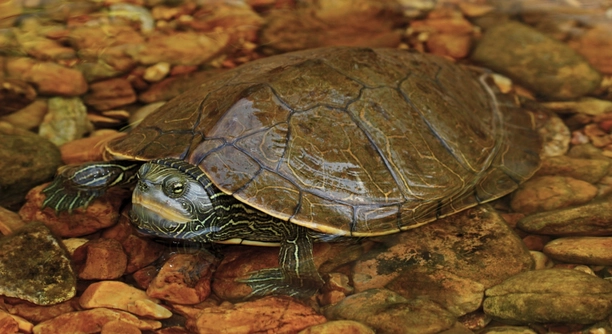
Map turtles are wonderful pets, but sometimes they may seem uninterested in certain foods, especially vegetables. It can be confusing when your turtle ignores healthy options in favor of other meals.
The primary reason your map turtle ignores vegetables could be due to their natural diet preferences. In the wild, map turtles mainly consume animal-based foods, such as insects, small fish, and aquatic invertebrates. Their instinctual eating habits may lead them to avoid plant-based foods.
Understanding why your map turtle shows little interest in vegetables can help improve their diet and overall health. This guide will offer insights into how you can encourage better eating habits and support their nutritional needs.
Why Do Map Turtles Prefer Animal-Based Foods?
Map turtles are naturally inclined to eat animal-based foods, reflecting their wild diet. In their natural habitat, they feed on insects, worms, small fish, and other aquatic animals. These protein-rich meals provide the essential nutrients and energy needed for growth and survival. The instinct to seek these animal-based foods can make it difficult to introduce vegetables into their diet.
Their behavior is a result of evolution and their biology. Turtles are primarily carnivores, and while they may eat plants in the wild, it’s not a major part of their diet. You may find that your map turtle prefers the meatier options in their tank, leaving vegetables largely untouched. This preference isn’t unusual, and it’s rooted in their instinctual dietary habits.
You can still try offering vegetables and fruits as part of their diet, but it may take time and patience. To help your map turtle adjust, consider gradually introducing veggies alongside familiar foods like insects. Experiment with different types of greens, such as romaine lettuce or dandelion leaves, to see what appeals to them. If your turtle is more accustomed to eating protein, start with small, bite-sized pieces and slowly increase the vegetable portions.
How to Make Vegetables More Appealing
To get your map turtle to eat vegetables, make the process gradual and encouraging. It’s essential to ensure that the vegetables are fresh and cut into small, manageable pieces to avoid overwhelming them.
One way to help your turtle try veggies is to mix them with their favorite foods. For example, offering vegetables along with live food or chopped-up protein can make it more tempting. You can also try adding a bit of fruit, like strawberries or watermelon, to make the vegetables more enticing. Keep in mind that some map turtles may never fully warm up to vegetables, and that’s okay as long as they’re getting the nutrition they need from other sources. The goal is to ensure a balanced diet while being patient with their preferences.
Can I Train My Map Turtle to Eat Vegetables?
Training a map turtle to eat vegetables isn’t as straightforward as training a dog, but it’s possible with some persistence. Gradually introducing vegetables alongside their preferred foods can help them develop a taste for plants over time. Start slow and be patient.
Consistency is key when training your turtle to eat veggies. Offer small portions of vegetables in their regular feeding routine, and pair them with familiar animal-based foods. Don’t force your turtle to eat the vegetables, as this may cause stress or aversion. Instead, let them explore and gradually get used to the idea of plant-based meals.
The more consistent you are with these small changes, the more likely your turtle will accept veggies into their diet. Keep offering vegetables in a variety of ways and be patient as they adjust. Some turtles may never fully embrace vegetables, but even a small shift in their eating habits can contribute to better overall nutrition.
Other Nutritional Factors to Consider
If your map turtle refuses vegetables, it’s important to ensure they’re still getting the right nutrients. Animal-based foods like insects and fish can provide a significant portion of their nutritional needs. However, incorporating some plant matter into their diet is beneficial for long-term health.
Map turtles can receive some essential vitamins and minerals from fruits and vegetables, like vitamin A and calcium, which are important for their immune system and shell health. If your turtle isn’t eating vegetables, consider providing supplements that fill in any gaps in their diet. You can also look for commercially available turtle foods that contain added vitamins and minerals.
By being mindful of their overall diet and supplementing when needed, you can make sure your turtle is getting the nutrients it needs, even if it’s not eating vegetables. Keep an eye on their behavior and health to ensure they remain strong and active.
Common Vegetables for Map Turtles
When offering vegetables to your map turtle, it’s best to stick with options they are most likely to accept. Leafy greens like romaine lettuce, dandelion greens, and collard greens are great choices. These vegetables are easy to digest and packed with vitamins.
You can also offer vegetables like zucchini, squash, and carrots. These can be cut into small pieces to make them easier for your turtle to eat. Avoid vegetables that are too tough or fibrous, as they may be difficult for your turtle to chew and digest.
Why Some Map Turtles Are Picky Eaters
Map turtles can be picky eaters due to their natural instincts and preferences. Being mostly carnivorous in the wild, they might avoid plant-based foods simply because they are not accustomed to eating them. Over time, some turtles may learn to accept vegetables, while others may never develop a liking for them.
It’s important to respect their natural instincts while trying to offer a variety of healthy foods. Turtles are creatures of habit, so if they consistently refuse vegetables, it might take extra effort and time to make the change.
Introducing Variety in Their Diet
Offering a mix of both animal-based and plant-based foods will help ensure that your map turtle stays healthy. Even if they don’t eat vegetables right away, trying different vegetables and fruits can help keep things interesting. You can experiment with different foods to discover what they prefer.
Different types of food also help ensure that your turtle gets a broader range of nutrients. It’s essential to keep their diet balanced and provide a variety of options to maintain their overall well-being.
FAQ
Why won’t my map turtle eat vegetables?
Map turtles are primarily carnivorous and have natural instincts to eat animal-based foods like insects, fish, and aquatic creatures. This preference often makes them less interested in vegetables. It’s not unusual for them to ignore plant matter in favor of meatier meals. If your turtle refuses vegetables, it might just be following its natural dietary preferences. You can try to slowly introduce vegetables, but keep in mind that some map turtles may never fully accept them.
What vegetables are safe for my map turtle?
Safe vegetables for your map turtle include leafy greens like romaine lettuce, dandelion greens, and collard greens. You can also offer softer vegetables like zucchini, squash, and carrots. These are easy to digest and packed with nutrients. Make sure to avoid vegetables that are too tough or fibrous, as they might be difficult for your turtle to eat and digest. Keep portions small, especially when introducing new foods, to ensure they don’t overwhelm your turtle.
How can I encourage my map turtle to eat vegetables?
To encourage your map turtle to eat vegetables, start by mixing small portions with their preferred foods, such as live insects or fish. This may make the vegetables more appealing and familiar. Gradually increase the amount of vegetable content as your turtle gets used to it. You can also try cutting vegetables into smaller pieces to make them easier for your turtle to eat. Be patient, as it might take some time before they accept the change in diet.
Should I worry if my map turtle refuses vegetables?
If your map turtle refuses vegetables, it’s not an immediate cause for concern. Map turtles are often naturally inclined to eat animal-based foods. However, vegetables are important for their overall health, providing essential nutrients like vitamins A and C, calcium, and fiber. If they consistently refuse vegetables, try offering different varieties and supplementing their diet with calcium and vitamin-rich foods. You can also provide multi-vitamin supplements designed for reptiles to ensure they get the necessary nutrients.
Can I feed my map turtle fruits instead of vegetables?
Fruits can be offered to your map turtle as an occasional treat, but they should not replace vegetables in their diet. Fruits contain high levels of sugar, which can lead to obesity and other health issues if fed in large amounts. However, small portions of fruit, like strawberries, watermelon, or melon, can be a good way to introduce sweetness into their diet and encourage them to try plant-based foods. Stick to low-sugar fruits and offer them sparingly.
Are there any vegetables my map turtle should avoid?
Yes, there are some vegetables you should avoid feeding your map turtle. Foods like iceberg lettuce, which has very little nutritional value, should be skipped. You should also avoid feeding them vegetables that are high in oxalates, such as spinach, which can interfere with calcium absorption. Avoid feeding your turtle starchy vegetables like potatoes, which don’t provide much nutritional benefit. Always research any new food before offering it to ensure it’s safe and healthy for your turtle.
How often should I feed my map turtle vegetables?
Map turtles don’t require vegetables every day, but they should be offered at least a few times a week. You can alternate between offering vegetables, fruits, and animal-based foods to create a balanced diet. It’s important to monitor their diet closely, ensuring they’re getting a mix of proteins, vitamins, and minerals to stay healthy. Try to offer vegetables at least twice a week, but don’t be discouraged if your turtle doesn’t always eat them right away.
Can my map turtle get all the nutrients it needs without vegetables?
It’s possible for a map turtle to survive on a diet primarily consisting of animal-based foods like insects, fish, and other protein sources. However, vegetables and plant matter help provide essential nutrients like fiber, calcium, and vitamins that can support long-term health. While your turtle may not eat vegetables all the time, introducing them occasionally will help ensure it’s getting a more balanced diet. If vegetables remain a challenge, supplements may be needed to fill nutritional gaps.
Is it okay to feed my map turtle only meat?
Feeding your map turtle only meat is not ideal for their long-term health. While map turtles are carnivorous, they still benefit from some plant-based foods to meet all their nutritional needs. A diet consisting solely of meat can lead to nutrient imbalances, particularly in the long run. For optimal health, it’s best to provide a variety of foods, including some vegetables and fruits, alongside the protein-rich options. This ensures that your turtle receives the right amount of vitamins, minerals, and fiber to support its immune system and shell health.
How do I know if my map turtle is healthy?
A healthy map turtle will be active, alert, and display normal behaviors like basking and swimming. Its shell should be smooth and free from cracks, deformities, or excessive algae growth. The eyes should be clear and bright, not swollen or clouded. A lack of appetite, lethargy, or changes in behavior could indicate health problems. If you notice any of these signs, it’s a good idea to consult with a veterinarian to ensure that your turtle is receiving the right care and diet. Regular check-ups can help prevent and address potential issues early on.
Final Thoughts
Map turtles are fascinating creatures, and understanding their natural diet can help you provide the best care for them. Their preference for animal-based foods, such as insects and fish, often makes it difficult to introduce vegetables into their meals. While it’s not unusual for them to ignore plant-based foods, offering vegetables occasionally is beneficial for their overall health. Vegetables can provide essential nutrients that may not come from their usual animal-based meals, like vitamins, calcium, and fiber. Even if your turtle is not keen on veggies, it’s worth trying different types to find what works.
Patience is key when it comes to changing your turtle’s eating habits. Forcing your map turtle to eat vegetables may cause unnecessary stress. Instead, try mixing the veggies with foods they already enjoy, like insects, or offering them in small, bite-sized pieces. Over time, they may become more accustomed to the idea of eating plants. Keep in mind that not all turtles will develop a taste for vegetables, and that’s perfectly fine. What matters most is that they get the right balance of nutrients, which may come from supplements if necessary.
Finally, remember that a healthy diet isn’t just about vegetables. A mix of animal-based foods, occasional fruits, and supplements can provide a balanced diet for your map turtle. It’s important to monitor their health regularly and adjust their diet as needed. Your map turtle’s preferences may change over time, so don’t give up on trying to introduce new foods. With a little patience and careful attention, you can ensure your turtle stays healthy and happy.

Hello,
If you enjoy the content that we create, please consider saying a "Thank You!" by leaving a tip.
Every little bit helps us continue crafting quality advice that supports the health, happiness, and well-being of pets around the world, for pets of all shapes, sizes, and species.
We really appreciate the kindness and support that you show us!