
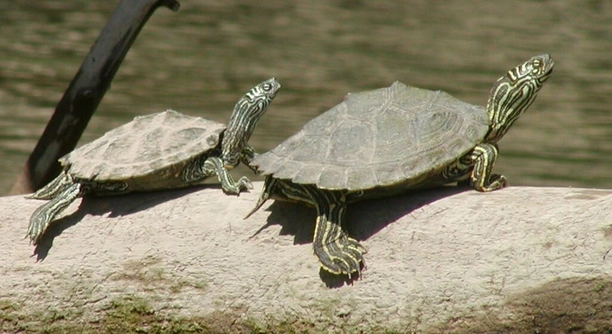
Map turtles are known for their constant hunger, often leaving owners wondering if something is wrong. Understanding their behavior can help ensure their diet is balanced and their health is maintained. This article will offer feeding tips to help.
The primary reason for your map turtle’s persistent hunger is its high metabolic rate. These turtles need regular meals to sustain energy levels, especially as they grow. Inadequate feeding may lead to behavioral issues and health problems.
Understanding your map turtle’s needs and how to feed them properly can lead to a happier, healthier pet.
Why Is My Map Turtle Always Hungry?
Map turtles are naturally active and have high energy needs, which explains their constant hunger. Their metabolism requires frequent feeding to maintain optimal health, especially as they grow. This hunger can also be a result of boredom or a lack of proper stimulation. If a turtle is housed in a tank that lacks enrichment, it may show signs of hunger as a way to engage with its environment.
Overfeeding is another concern. Offering too much food can lead to obesity, while underfeeding may leave your turtle malnourished. It’s important to find a balance that keeps your turtle healthy and happy. Offering small meals throughout the day can help regulate hunger while providing proper nutrition.
Ensure your turtle’s diet includes a variety of foods like protein, vegetables, and occasional treats. Map turtles require both animal and plant-based nutrients for a balanced diet. Providing variety can also keep their interest and prevent constant begging for food.
How Often Should You Feed Your Map Turtle?
Turtles, especially map turtles, require regular meals. Aim to feed them daily or every other day, depending on their age and activity level. A consistent feeding schedule is key to maintaining a healthy turtle.
Map turtles typically eat more when they are young and growing. Hatchlings and juveniles have higher energy requirements and should be fed daily. As they mature, adult map turtles may only need food every other day, though this can vary. Feedings should be appropriate for their size and activity level. You should also remove uneaten food after 10 to 15 minutes to prevent water contamination and ensure your turtle is getting the right amount.
What Should You Feed Your Map Turtle?
Map turtles benefit from a balanced diet that includes both animal protein and plant-based foods. Offering a mix of pellets, leafy greens, and occasional live food like worms or small fish helps meet their nutritional needs. Variety ensures they receive essential vitamins and minerals for growth and health.
Focus on dark, leafy greens like kale, dandelion, and collard greens. These vegetables provide necessary fiber, vitamins, and minerals. For protein, offer worms, crickets, or small fish like minnows. Avoid feeding them too much fruit or fatty foods, as these can lead to imbalanced diets.
Keep an eye on portion sizes and how much food your turtle consumes. You should aim for a balanced ratio of vegetables and protein to maintain optimal health. If your turtle consistently finishes their food quickly, consider adjusting the amount to avoid overfeeding or offering multiple smaller meals throughout the day.
Do Map Turtles Need Supplements?
While a varied diet is often enough, some map turtles might need supplements to meet their specific nutritional requirements. Calcium is particularly important to support shell growth and bone strength. Without proper calcium levels, your turtle might suffer from health problems like soft or deformed shells.
A calcium supplement, usually in powder form, can be sprinkled on their food a few times a week. If your turtle is kept indoors without natural sunlight, a vitamin D3 supplement can also help with calcium absorption. It’s important to follow the recommended dosage, as over-supplementing can cause health issues.
It’s always a good idea to consult a vet who specializes in reptiles to assess your turtle’s specific needs. A veterinarian can guide you in adjusting your turtle’s diet or supplement schedule to ensure they receive all the nutrients they require for healthy development.
How to Create a Balanced Feeding Schedule
Feeding your map turtle regularly is crucial to maintaining a healthy routine. A consistent feeding schedule ensures they get the nutrients they need without overeating. Offering food at the same time each day helps establish a routine and reduces stress for your turtle.
You can adjust the feeding frequency depending on your turtle’s age and activity level. Hatchlings may need daily feedings, while adults can be fed every other day. Be sure to monitor how much they are eating and adjust portion sizes to avoid overfeeding or underfeeding.
The Role of Tank Environment in Hunger
The tank environment plays a significant role in your map turtle’s feeding behavior. A proper setup ensures your turtle has the energy it needs to stay active and healthy. If the tank lacks proper lighting, filtration, or space, your turtle might show increased hunger as it seeks stimulation.
Ensure that the tank has appropriate lighting, such as UVB bulbs, to mimic natural sunlight and support your turtle’s digestion. Clean water is essential for a healthy environment. Turtles are sensitive to water quality, and poor conditions can lead to health problems, making them more prone to increased hunger.
Overfeeding and Its Risks
Overfeeding can lead to a variety of health issues, including obesity and shell deformities. Map turtles, like many reptiles, are prone to overeating if their feeding schedule isn’t carefully controlled. It’s easy to overestimate how much they need based on their constant hunger cues.
Be mindful of the amount you’re feeding and avoid offering large quantities of food. If your turtle is eating more than it should, it can lead to an imbalance in its diet, putting stress on its digestive system. Regularly monitor your turtle’s body condition and adjust portions to keep them healthy.
FAQ
Why is my map turtle constantly begging for food?
Map turtles are opportunistic feeders, meaning they are always on the lookout for food. They have a high metabolism, which requires frequent meals to keep their energy levels up. However, if they’re constantly begging for food, it could also be a sign that they’re not getting enough food during their regular feeding time. It might also be a behavioral issue caused by boredom or lack of stimulation. Consider adding enrichment to their tank, such as hiding food or offering new types of food to make feeding time more engaging.
How can I tell if my map turtle is overfed?
Overfeeding can lead to obesity and other health problems in your map turtle. Signs of overfeeding include a noticeably round or bloated body, sluggish behavior, and an increase in waste production. To avoid this, ensure you are providing appropriate portion sizes for their age and size. Adjusting their food based on their activity level can help. It’s important to offer a balanced diet and not to feed them too much at one time.
Can I feed my map turtle only vegetables?
While map turtles enjoy vegetables, they should not be fed a diet that consists only of plants. They are omnivores and require a mix of both animal protein and plant-based food. A diet that only includes vegetables could lead to nutritional deficiencies. Some suitable vegetables for map turtles include leafy greens like kale, dandelion, and collard greens. For protein, you can offer small fish, worms, and crickets. This balanced approach will help ensure your turtle’s overall health and growth.
How often should I change my map turtle’s water?
Water quality is critical for your turtle’s health. You should change the water in your map turtle’s tank at least once a week to ensure it remains clean and free from harmful bacteria. However, if the tank is small or there are excess waste materials, you might need to change it more frequently. Regular water changes also prevent the growth of algae and harmful pathogens. Invest in a good filtration system to help maintain water quality between changes.
How do I prevent my map turtle from becoming overweight?
To prevent obesity in your map turtle, stick to a feeding schedule and avoid overfeeding. It’s essential to provide balanced meals, with a good mix of vegetables and protein. Monitor the portion sizes and be sure your turtle gets enough exercise. Map turtles are active creatures that benefit from a large tank where they can swim and explore. Make sure their environment is spacious enough to encourage movement and avoid lethargy.
Can my map turtle eat fruits?
Fruits can be offered as a treat for your map turtle but should not be a primary part of their diet. While fruits like strawberries, bananas, and apples are safe in small amounts, they are high in sugar and can lead to obesity if fed too frequently. Fruits should only make up a small portion of their overall diet, and it’s best to offer them sparingly. Focus on providing a healthy balance of vegetables and protein for their main meals.
What’s the best way to handle my map turtle when feeding?
Map turtles can become accustomed to human interaction, but it’s important to handle them gently. When feeding, avoid picking them up unnecessarily. Instead, offer food using tongs or place it directly in the water. Turtles may become stressed if handled too often or roughly, so keep feeding times calm and quiet. Handling your turtle occasionally for cleaning or health checks is fine, but try to minimize unnecessary physical contact.
Why is my map turtle not eating?
If your map turtle isn’t eating, it could be a sign of several issues. Stress from an improper environment, changes in water temperature, or poor water quality could cause a lack of appetite. It’s also possible that your turtle is not eating because it’s unwell. If you’ve ruled out environmental causes, it might be worth consulting with a veterinarian to check for any health problems. Make sure the water temperature is appropriate, around 75-80°F, and that the lighting is correct to encourage proper digestion.
Is it normal for my map turtle to eat less in the winter?
Yes, map turtles typically eat less during the winter months. This is because their metabolism slows down with the decrease in water temperature. During colder months, they may become less active, leading to a decreased appetite. However, if the turtle is still active, it may need regular feedings. It’s essential to maintain proper water temperature and provide a variety of food options, but don’t be alarmed if your map turtle eats less in the winter.
Can I feed my map turtle live fish?
Yes, you can feed live fish to your map turtle, but they should be appropriately sized to avoid any choking hazards. Small feeder fish like minnows or guppies are commonly used. However, be cautious when feeding live fish, as they may carry parasites or diseases. It’s advisable to quarantine any live food before offering it to ensure it’s healthy. Live fish also should not be the primary food source, as a balanced diet that includes vegetables and other protein sources is more beneficial for your turtle’s overall health.
Final Thoughts
Feeding a map turtle requires attention to detail and a clear understanding of their nutritional needs. While they may seem constantly hungry, it’s important to remember that their feeding habits are often a reflection of their active metabolism and natural foraging instincts. Overfeeding can lead to health issues such as obesity and shell deformities, so it’s essential to maintain a balanced diet and feeding schedule. A variety of food, including protein sources like small fish and vegetables, ensures they get all the nutrients they need. A consistent routine helps regulate their appetite and keeps them healthy.
Creating an ideal environment for your map turtle also plays a significant role in their eating habits. A tank with proper lighting, filtration, and enough space to swim helps keep your turtle active and satisfied. If the tank conditions aren’t right, it can lead to stress and increased hunger as your turtle seeks comfort. Maintaining good water quality is crucial, as poor water conditions can affect digestion and overall health. Providing a clean and spacious environment encourages natural behaviors, which can help control feeding demands.
Finally, it’s essential to monitor your turtle’s health regularly. If your map turtle shows signs of lethargy, excessive hunger, or refusal to eat, there may be an underlying health concern. Always observe their behavior and consult a veterinarian if you suspect something is wrong. A well-maintained diet, proper tank setup, and routine health checks are the best ways to ensure your map turtle thrives and avoids unnecessary hunger or health issues.

Hello,
If you enjoy the content that we create, please consider saying a "Thank You!" by leaving a tip.
Every little bit helps us continue crafting quality advice that supports the health, happiness, and well-being of pets around the world, for pets of all shapes, sizes, and species.
We really appreciate the kindness and support that you show us!