
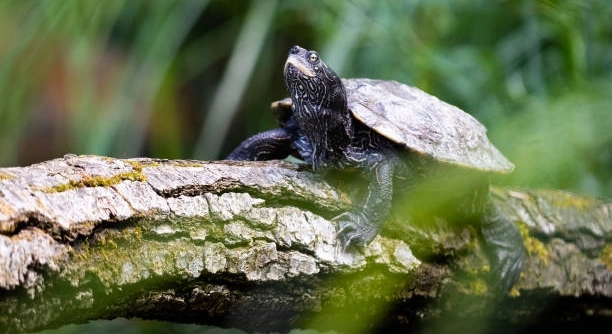
As the seasons change, map turtles prepare for brumation, a period of dormancy during colder months. Ensuring their well-being during this time requires proper preparation. Learn the essential steps to help them transition smoothly into this natural phase.
Proper preparation for seasonal brumation involves adjusting the temperature, reducing food intake, and providing a suitable hibernation environment. Ensure your turtle’s habitat is clean, safe, and free of stressors to promote a successful brumation period.
Understanding the steps involved in preparing map turtles for brumation ensures a smooth transition and supports their overall health during this natural process.
Preparing the Habitat for Brumation
The right environment is key to a successful brumation. Start by ensuring the temperature is suitable for your map turtle. The habitat should be cool but not freezing, ideally between 50 to 60 degrees Fahrenheit. A temperature range within this level encourages natural dormancy without causing harm.
A quiet, dark place is important for the turtle to rest undisturbed. Avoid sudden temperature changes, as they could trigger stress. Check the humidity levels to make sure they are stable. Too much moisture or dryness can interfere with the process.
Ensure your map turtle’s enclosure is secure. The space should have a soft substrate to make it comfortable. If you need to lower the temperature, consider moving them to a cool basement or a garage. Just make sure they are not exposed to drafts or humidity extremes, which could affect their health.
Adjusting Food Intake
Before brumation, reduce your turtle’s food intake gradually. This process helps their digestive system prepare for the long period of inactivity. Stopping feeding completely a few weeks before brumation will allow their metabolism to slow down. Overfeeding can cause digestive issues during dormancy.
The reduction in food also encourages them to conserve energy, which is crucial for brumation. Keep track of their activity and behavior, and if they show signs of restlessness or refusal to eat, it’s best to stop offering food.
Map turtles need less food as they prepare for brumation. The slower their metabolism, the easier the transition. Pay attention to the amount of food you offer and follow this schedule.
Monitoring Health Before Brumation
It’s important to check your map turtle’s health before they enter brumation. A healthy turtle will be more likely to have a successful dormancy period. Perform a full checkup, including ensuring that their shell is intact and they show no signs of illness. If needed, take them to the vet before brumation starts.
Before lowering their activity levels, make sure they are in top shape. A vet visit can help address any underlying health issues, such as respiratory infections or shell problems. Also, monitor their weight, as weight loss during brumation is normal, but excessive loss could signal a problem. Keep track of any changes in behavior or appearance.
If your turtle shows signs of illness, avoid brumation. Treating the health issue first will help them recover faster and avoid complications. Address any concerns promptly to ensure they are healthy enough to handle the upcoming brumation period. Prioritize their health before the rest period.
Creating a Safe Space
Ensure the area where your turtle will brumate is safe and free from hazards. Avoid areas with pets or loud noises, as this could cause unnecessary stress. A quiet, dark spot is the ideal place for dormancy. If you’re unsure about where to put them, a cool closet or cabinet could work well.
Use a soft substrate like coconut fiber or shredded newspaper to create a comfortable bedding for your turtle. Make sure the space is enclosed securely to prevent them from escaping or encountering dangerous conditions. A well-prepared environment helps them feel secure, which is essential for a smooth brumation. Always check to ensure the location is safe and stable throughout the entire period.
Reducing Stress
Minimize stress for your map turtle before brumation. Stress can affect their ability to enter dormancy properly. Avoid handling them too often or making significant changes to their habitat. A calm environment is key to helping them transition smoothly.
Ensure they have privacy and aren’t disturbed by loud noises or other animals. The less disruption, the better. You want them to feel safe and secure. Stress could hinder their ability to brumate successfully, so keep their environment peaceful and stable leading up to and during this time.
Maintaining Hydration
Hydration is crucial before and during brumation. Ensure your map turtle has access to fresh water, as dehydration can cause problems during this phase. Even though they won’t be as active, they still need water for basic metabolic functions.
Make sure the water is clean and easily accessible. It’s helpful to check their water bowl regularly. While they will drink less, having water available ensures they stay hydrated. Hydration helps with the transition and supports their overall health during dormancy. Consider adding water dishes if you have multiple turtles.
Temperature Monitoring
The temperature must remain stable throughout the brumation period. Avoid fluctuations, as this could disrupt their dormancy. It’s important to regularly monitor the temperature of their environment to keep it within the ideal range.
Use a reliable thermometer to ensure the area stays cool but not freezing. Too warm, and they may become active; too cold, and they could go into a shock-like state. Maintaining the right temperature helps your turtle enter and exit brumation smoothly. Adjust the location if necessary, but always aim for consistency in temperature.
FAQ
How long should I prepare my map turtle for brumation?
Preparing your map turtle for brumation should begin at least 2 to 3 weeks before the season changes. Gradually reduce their food intake during this period and monitor their behavior. It’s essential to avoid sudden changes that could cause stress. Starting early helps their body adjust slowly to the upcoming dormancy.
Should I stop feeding my map turtle completely before brumation?
Yes, it’s important to reduce their food intake gradually and stop feeding a few weeks before brumation. This allows their metabolism to slow down and prepares their digestive system for the period of dormancy. Offering food too close to brumation could lead to health issues. Always monitor their behavior to ensure they are ready for this phase.
Can I let my map turtle brumate in the same tank?
No, it’s better to prepare a separate, quiet, and cool space for brumation. The tank environment may not be suitable, as the temperature might not drop low enough. Using a cool, dark area away from disturbances is crucial for a successful brumation period.
How often should I check on my map turtle during brumation?
You should check on them every few weeks. Ensure the temperature remains stable and that they are not disturbed by noise or other pets. Monitor their water to make sure it stays clean. While they won’t need regular feeding, occasional checks help ensure their safety.
What signs indicate my map turtle is sick before brumation?
Signs of illness may include lethargy, a lack of appetite, or changes in the appearance of their shell or eyes. If they show unusual behavior or symptoms like discharge from the nose or mouth, it’s best to consult a vet before proceeding with brumation. Never allow a sick turtle to brumate.
Is it safe to handle my map turtle during brumation?
Handling a turtle during brumation can cause unnecessary stress and interfere with the process. They need peace and quiet to rest properly. If you absolutely must handle them, do so as gently as possible and only for short periods. Ideally, minimize handling as much as possible.
How do I know if my map turtle is ready for brumation?
A ready map turtle will naturally slow down its activity levels and stop eating. They will seek a cool, secluded spot in their habitat, signaling that they are preparing for dormancy. Their behavior becomes less active, and they may burrow or hide. Pay attention to these cues as indicators.
What temperature should the brumation area be for map turtles?
The temperature for brumation should range from 50 to 60 degrees Fahrenheit. Temperatures outside this range can be harmful. Too warm can cause the turtle to remain active, while too cold could put them in shock. Consistency in temperature is key during this time.
Can I brumate multiple map turtles together?
It’s possible, but not always ideal. Map turtles are territorial and may not do well in the same space during brumation. If you choose to keep multiple turtles together, make sure the space is large enough and that they are not disturbed. Monitor them for signs of stress or aggression.
What should I do if my map turtle refuses to brumate?
If your map turtle refuses to brumate, it may be a sign of an underlying issue such as an improper environment or health concern. Make sure the temperature is correct and their habitat is calm and stress-free. If they still won’t brumate, consult a vet to rule out health problems.
Final Thoughts
Preparing your map turtle for brumation is a key part of ensuring they stay healthy throughout the colder months. It’s not just about turning down the temperature; it’s about providing a safe, calm, and comfortable environment that helps them enter dormancy smoothly. From reducing their food intake gradually to making sure their space is quiet and secure, every step plays a role in ensuring your turtle’s well-being. A little attention to detail goes a long way in making the process easier for both you and your turtle.
Remember that health checks are crucial before brumation. If your map turtle is sick or stressed, the dormancy period could cause more harm than good. It’s important to address any health concerns early on and to create an environment where your turtle can relax. Stress, inadequate temperature, or poor hydration can all interfere with the brumation process, making it harder for your turtle to rest properly. By monitoring their health and behavior, you can make sure they are in the best condition for the seasonal change.
Brumation is a natural process, but it’s not without its responsibilities. The more you understand about your map turtle’s needs during this period, the easier it becomes to provide the best care. Staying proactive, monitoring their environment, and ensuring they are in good health will help make brumation a safe and beneficial time for your turtle. Proper preparation gives them the rest they need to come out of brumation strong and healthy when the time comes.

Hello,
If you enjoy the content that we create, please consider saying a "Thank You!" by leaving a tip.
Every little bit helps us continue crafting quality advice that supports the health, happiness, and well-being of pets around the world, for pets of all shapes, sizes, and species.
We really appreciate the kindness and support that you show us!