
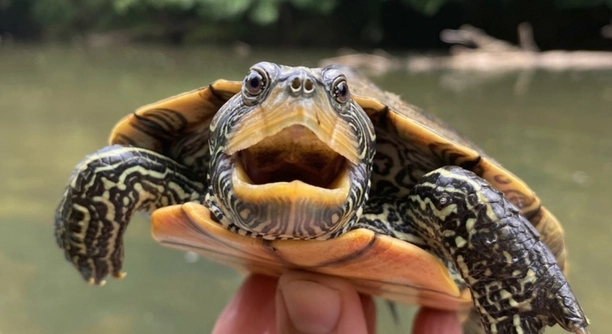
Some pet owners may notice that their map turtles eat at a slower pace than expected. This behavior can be puzzling, especially if they seem healthy overall. Understanding the reasons behind this slow eating can be helpful.
Map turtles may eat slowly due to several factors, including their natural feeding habits, environment, and health. Their slow pace could also be influenced by water temperature, stress, or dietary preferences, which can impact feeding speed.
Identifying the underlying causes of your map turtle’s slow eating will help you address the issue effectively and maintain its well-being.
Understanding Map Turtle Eating Habits
Map turtles are naturally slow eaters, especially when compared to other turtle species. This can be part of their instinctive behavior. In the wild, they might take their time while foraging for food, ensuring that they are eating safe, nutritious items. It’s important to keep in mind that slow eating is not always a sign of a health issue.
Some factors affecting eating speed include water temperature, tank conditions, and their mood. If the water is too cold, map turtles may eat less or more slowly. A comfortable, warmer temperature helps stimulate their appetite. Stress can also impact their eating habits, such as if the environment is too noisy or their space feels crowded.
Map turtles are opportunistic feeders and may prefer to take their time enjoying their food, especially when they feel relaxed and safe. If you’re concerned about your turtle’s eating habits, adjusting its environment or diet might help. For instance, offering smaller, more manageable portions or changing the feeding routine can encourage faster eating.
Temperature’s Role in Eating Speed
The temperature of your map turtle’s water plays a significant role in its eating habits. When the water is too cold, digestion slows down, and your turtle may eat less or at a slower pace.
Map turtles thrive in water temperatures between 75°F and 80°F (24°C to 27°C). This range encourages better digestion and overall health, which can help promote a faster, more consistent feeding routine. Keeping the water within this range will ensure your turtle feels comfortable and eager to eat.
Stress and Its Effect on Eating
Stress can significantly impact a map turtle’s eating habits. If the turtle feels threatened or uncomfortable, it may eat more slowly or refuse food altogether. This could happen due to overcrowding in the tank, loud noises, or the presence of other animals.
A stressed turtle might show signs such as hiding more often or swimming erratically. To reduce stress, make sure the environment is calm and quiet, and the tank is not overcrowded. A secure, peaceful environment will help your turtle feel more at ease, which can encourage better eating habits and a faster feeding response.
If stress is an issue, changing the tank layout or moving your turtle to a quieter area may help. A comfortable map turtle is more likely to eat at a normal pace, so addressing stress factors can make a noticeable difference in its feeding behavior.
Feeding Routine and Preferences
Map turtles can also eat slowly due to their feeding routine or preferences. If the food is too large or difficult to consume, they may take longer to finish eating.
It’s important to adjust the size of the food to fit your turtle’s eating habits. Smaller, bite-sized portions are easier to handle and allow for quicker consumption. Additionally, you should offer a variety of foods to keep your turtle interested. Some turtles are more selective about what they eat, which may result in a slower feeding pace if they aren’t as eager about their meal. Experiment with different types of food to see what your map turtle prefers and offer them in manageable portions.
Health Issues That May Slow Eating
Health problems can also affect your map turtle’s eating speed. If your turtle is sick or feeling unwell, it may not eat at all or may eat very slowly. Common health issues include parasites, shell infections, or mouth rot.
If you notice a sudden change in eating habits, it might indicate an underlying health problem. If your turtle refuses food or appears lethargic, consult a veterinarian who specializes in reptiles. Early diagnosis can prevent further complications and improve your turtle’s appetite. Keeping an eye on their behavior and health is key to maintaining a balanced diet.
Water Quality and Its Impact
Poor water quality can discourage a map turtle from eating. Dirty water or improperly balanced water chemistry can make them uncomfortable and less likely to eat. Make sure to clean the tank regularly and test the water for ammonia, nitrite, and nitrate levels.
Keeping the water clean ensures a healthier environment, which encourages your turtle to feed properly. When the water is clear and well-maintained, it will improve their overall health and eating habits. Regular water changes and a good filtration system are essential for keeping your turtle happy and well-fed.
FAQ
Why is my map turtle not eating at all?
If your map turtle refuses to eat, it could be due to stress, water quality, or health issues. Stress can come from overcrowded tanks, sudden environmental changes, or loud noises. Poor water quality, such as high levels of ammonia or inadequate filtration, can also discourage eating. Finally, illness or injury can cause a lack of appetite. If this continues, it’s important to check the water quality, reduce stress, and observe for signs of health issues. If there’s no improvement, seeking advice from a veterinarian is the best step to ensure your turtle’s well-being.
What temperature should the water be for my map turtle to eat properly?
The water temperature for a map turtle should be maintained between 75°F and 80°F (24°C to 27°C). This range promotes proper digestion and a healthy appetite. If the water is too cold, your turtle may eat less or eat slowly. Warmer water encourages active feeding and helps the turtle maintain its energy. Make sure the tank has a reliable heater to keep the water at the right temperature. Additionally, providing a basking area with a temperature of about 85°F (29°C) will further help regulate their overall health and activity levels.
Can I feed my map turtle anything I want?
Not everything is suitable for a map turtle to eat. A healthy diet should include a variety of foods, such as commercial turtle pellets, aquatic plants, and protein sources like insects or small fish. It’s essential to avoid feeding your turtle foods that are toxic to them, like iceberg lettuce, spinach, or citrus fruits. Overfeeding high-protein foods can also lead to health problems. Offering a balanced diet, including leafy greens, fruits, and high-quality pellets, ensures that your map turtle stays healthy and happy. Always research safe foods for turtles to avoid any harmful ingredients.
Why does my map turtle take so long to eat?
Your map turtle may take longer to eat for several reasons. It could be due to environmental factors, such as water temperature being too cold or stress from overcrowded living conditions. Additionally, the food being offered may be too large or difficult to eat, causing the turtle to take its time. Map turtles are also naturally slow eaters, especially when they feel secure and relaxed. Giving smaller portions of food, maintaining ideal water temperature, and reducing stress can help speed up feeding. If eating habits change suddenly, it may also indicate an underlying health problem that should be addressed.
How often should I feed my map turtle?
Map turtles should be fed about 3-4 times per week, depending on their age and size. Young map turtles need more frequent feeding to support their growth, while adult turtles can eat less often. Offering meals every other day is typically sufficient for adults. Ensure you are providing a variety of foods, and avoid overfeeding. Always monitor the food intake and remove any uneaten food to maintain tank cleanliness. A feeding routine helps your turtle establish a healthy appetite and avoids stress or digestive problems.
Can I feed my map turtle live fish?
Yes, feeding live fish to your map turtle can be a part of its diet, but it should be done cautiously. Live fish are a natural protein source, and many turtles enjoy catching and eating them. However, you should ensure the fish are from a safe source and are free from parasites. Avoid feeding your turtle fish that are too large or fish that could carry diseases. It’s essential to balance live fish with other foods such as pellets and greens to maintain a well-rounded diet. Additionally, ensure the live fish are appropriately sized to prevent choking or difficulty eating.
What should I do if my map turtle isn’t eating despite a good environment?
If your map turtle refuses to eat even with proper water quality, temperature, and environment, it may be dealing with an underlying health issue. In some cases, a lack of appetite can signal illness, such as respiratory infections, shell problems, or parasites. You should examine the turtle for signs of illness, such as lethargy, changes in behavior, or physical abnormalities. If no improvement is seen, it’s important to consult a reptile veterinarian for a thorough examination and treatment plan. A vet can provide proper guidance to ensure your turtle’s health is addressed.
Can stress affect my map turtle’s eating habits?
Yes, stress is a significant factor in a map turtle’s feeding behavior. If your turtle is feeling stressed, it may eat less or take longer to eat. Stress can be caused by several factors, including changes in the tank environment, overcrowding, or loud noises. If there are other animals in the tank, the turtle may also feel threatened. Reducing stress by maintaining a calm and quiet environment, avoiding sudden changes, and ensuring the tank has plenty of space for the turtle will improve its feeding habits. A stress-free environment allows your map turtle to feel more comfortable and eat at a normal pace.
Can water quality affect my turtle’s appetite?
Yes, water quality plays a crucial role in your map turtle’s appetite. Dirty or poor-quality water can cause stress, discomfort, and health problems that can lead to slower eating or even refusal of food. Regularly test the water for ammonia, nitrites, and nitrates, and ensure the tank is properly filtered. Keeping the water clean and at an appropriate temperature will encourage your turtle to eat more regularly. Additionally, performing regular water changes will help prevent the buildup of harmful substances and provide a healthier living environment for your map turtle.
Final Thoughts
Map turtles are unique and fascinating creatures that can thrive with the right care. While slow eating may seem concerning at first, it’s often a result of a variety of factors, such as stress, environmental conditions, or diet. Identifying the root cause requires careful observation of your turtle’s behavior, tank setup, and overall health. Making simple changes, like improving water quality, adjusting the temperature, or ensuring a balanced diet, can lead to noticeable improvements in your turtle’s eating habits.
It’s important to remember that turtles are naturally slow feeders. They may not eat as quickly as other pets, and this is normal behavior. However, if you notice a sudden change in their eating patterns, such as refusing food or taking too long to finish meals, it could be a sign of stress or health issues. Keeping your turtle’s environment clean, maintaining proper water conditions, and reducing stress factors can significantly improve its feeding habits. Ensuring your turtle has a variety of healthy foods and is provided with a peaceful environment will contribute to its overall well-being.
If you’ve made adjustments to the environment and diet but still notice issues with your turtle’s appetite, it’s best to consult a veterinarian. Turtles can be sensitive to illness, and a vet specializing in reptiles can help identify underlying health problems. Regular check-ups and prompt attention to any changes in behavior can keep your map turtle healthy and ensure that it’s eating properly. By paying attention to their needs and making necessary changes, you can enjoy a happy, healthy map turtle.

Hello,
If you enjoy the content that we create, please consider saying a "Thank You!" by leaving a tip.
Every little bit helps us continue crafting quality advice that supports the health, happiness, and well-being of pets around the world, for pets of all shapes, sizes, and species.
We really appreciate the kindness and support that you show us!