
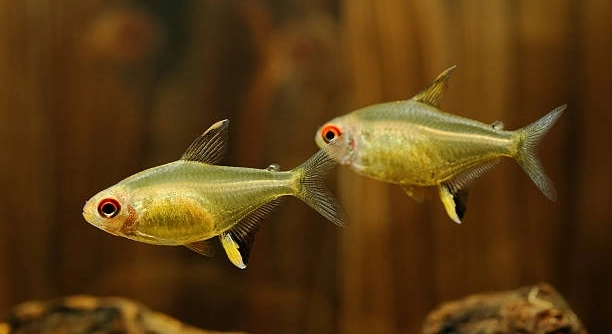
Lemon tetras are small, vibrant fish that bring color and life to home aquariums. Many owners enjoy watching their bright yellow hues shimmer as they swim gracefully through the tank. Maintaining this color is important for their overall health.
Lemon tetras lose color primarily due to stress, poor water quality, or inadequate nutrition. Factors such as sudden changes in temperature, incompatible tank mates, and lack of proper vitamins can contribute to fading coloration, affecting both appearance and wellbeing.
Keeping your tank clean, balanced, and properly stocked can help restore your fish’s natural color. Simple adjustments in care routines can make a noticeable difference in their vibrancy and health.
Water Quality Issues
Maintaining clean water is crucial for lemon tetras. Poor water conditions can quickly stress fish and lead to faded colors. High ammonia, nitrite, or nitrate levels create an unhealthy environment that weakens their immune system. Frequent partial water changes help remove harmful toxins and restore balance. Using a proper filter and testing water parameters regularly ensures the tank stays stable. Temperature fluctuations can also impact water quality, so keeping the tank at a consistent range of 72–78°F is recommended. Chlorine and chloramine in tap water can harm fish, so always treat water before adding it. Even minor changes in pH or hardness can affect coloration, so monitor closely. Clean substrate and remove uneaten food to prevent bacterial growth. Over time, stable water conditions improve fish vitality and help maintain bright, healthy colors. Observing your tetras daily can help catch early signs of stress before color loss becomes severe.
Regular water testing and partial changes can prevent stress and maintain vibrant fish colors consistently.
Keeping water clean and balanced requires patience but pays off in healthy, colorful fish. Consistency is key. Avoid overfeeding, as leftover food decays and raises ammonia levels. Remove debris, check filter performance, and use water conditioners to neutralize harmful chemicals. Over time, fish adapt to stable conditions, recover color, and thrive. If problems persist, consider examining tank size, stocking density, and compatibility with other fish. Even minor improvements, like maintaining temperature and pH, can lead to noticeable changes in vibrancy. Documenting water parameters helps identify patterns and prevent future issues. A consistent care routine not only supports coloration but also overall health. Healthy lemon tetras are more active, display natural behaviors, and interact calmly with tank mates. Addressing water quality is the most effective step to restore bright yellow hues and ensure long-term wellbeing.
Stress from Tank Mates
Aggressive or large fish can intimidate lemon tetras, causing stress and faded colors.
Tank layout, hiding spots, and compatible fish reduce stress significantly. Lemon tetras feel safer with plants and decorations that allow quick retreats from aggressive species.
Stress impacts appetite and immune response, further affecting coloration. Even small, subtle harassment from other fish can trigger chronic stress, leading to dull colors and lethargy. Lemon tetras are schooling fish, so keeping them in groups of at least six helps reduce fear and promotes natural behavior. Avoid pairing them with fin-nipping or overly active species that disrupt their swimming patterns. Rearranging decorations occasionally can reduce territorial disputes and give shy fish safe zones. Monitor interactions to ensure no persistent bullying occurs. Providing a calm, well-structured environment helps tetras feel secure, restoring confidence and color over time. Simple additions like floating plants or gentle current adjustments make the tank feel less intimidating. With the right companions and environment, lemon tetras regain vibrancy and maintain consistent coloration while staying active and healthy.
Poor Nutrition
Lemon tetras need a balanced diet to maintain bright colors. Feeding only flakes or low-quality food can make them pale. Include protein-rich and vitamin-enriched options for consistent vibrancy and overall health.
A mix of high-quality flake food, frozen or live brine shrimp, daphnia, and bloodworms provides essential nutrients. Vitamin C and carotenoids in their diet support color intensity. Feeding small amounts twice a day prevents overeating and water pollution, which can indirectly affect health. Rotating food types keeps them interested and ensures they receive a wide range of nutrients. Avoid fillers with little nutritional value. Observing their feeding behavior helps detect health issues early. Healthy tetras eat actively and maintain their natural yellow coloration.
Over time, a proper diet not only restores color but also strengthens immunity. Consistent feeding routines and varied food types prevent deficiencies and keep fish lively. Balanced nutrition directly impacts their vibrancy and overall well-being, making them more active and visually appealing in the tank.
Inadequate Lighting
Lemon tetras need proper lighting to display natural colors. Weak or inconsistent light can cause fading and dull appearance in the tank.
Natural-spectrum or LED aquarium lights enhance yellow hues and mimic day-night cycles. Aim for 8–10 hours of consistent light daily to support coloration and healthy activity levels. Avoid placing the tank in direct sunlight, which can cause algae growth and temperature spikes. Using a timer ensures a stable light schedule. Observe how your tetras respond to lighting adjustments, as improved brightness often restores vibrancy. Adding floating plants can diffuse light slightly, creating a more comfortable environment. Light intensity affects both appearance and behavior, making consistent illumination essential.
Proper lighting complements diet and water quality, allowing colors to peak naturally. Adjusting light spectrum and duration can prevent fading and encourage natural behaviors. Combining moderate lighting with stable tank conditions supports overall health. Rotating plants or decorations occasionally ensures all fish receive equal exposure, maintaining even coloration. Inadequate lighting can hide true colors, but with the right setup, lemon tetras regain brightness and vitality, enhancing the visual appeal of your aquarium.
Overcrowded Tank
Too many fish in a tank can stress lemon tetras and cause their colors to fade. Crowding limits swimming space, increases waste, and raises the risk of disease, all of which affect overall health.
An overcrowded tank also leads to competition for food. Lemon tetras may struggle to eat enough, causing nutrient deficiencies that dull their color. Maintaining proper stocking levels and observing fish behavior ensures they thrive without constant stress.
Sudden Temperature Changes
Rapid changes in water temperature shock lemon tetras, leading to color loss. Keeping the tank within 72–78°F prevents stress and supports metabolism.
Sudden dips or spikes weaken immunity, making tetras more prone to illness. Using a reliable heater and thermometer helps maintain a steady environment. Gradual temperature adjustments prevent stress and preserve natural vibrancy.
Disease and Parasites
Illnesses and parasites can cause lemon tetras to lose color quickly. Common infections include ich, fin rot, and bacterial infections. Signs include dullness, clamped fins, or erratic swimming. Prompt treatment and quarantine of affected fish prevent spread and restore health.
Poor Tank Maintenance
Neglecting regular cleaning and water changes impacts water quality and fish coloration. Consistent maintenance keeps the environment healthy and vibrant.
FAQ
Why is my lemon tetra turning pale even though I feed it regularly?
Even if you feed your lemon tetra daily, the type of food matters. Low-quality flakes or a diet lacking protein and vitamins can lead to color loss. Incorporate frozen or live foods like brine shrimp and daphnia, along with vitamin-enriched flakes. A varied diet ensures proper nutrition and helps maintain vibrant colors.
Can water quality alone cause my tetra to lose color?
Yes, poor water quality is a major factor in color fading. High levels of ammonia, nitrites, or nitrates stress fish and weaken their immune systems. Frequent partial water changes, proper filtration, and testing water parameters regularly are essential for maintaining a healthy environment and restoring natural coloration.
Will stress from other fish affect my lemon tetra’s color?
Absolutely. Lemon tetras are small, peaceful schooling fish. Aggressive or overly active tank mates can intimidate them, causing stress and dull coloration. Providing hiding spots, maintaining proper group sizes, and choosing compatible tank mates reduces stress and helps fish display their natural vibrancy.
How does lighting affect my tetra’s color?
Inadequate or inconsistent lighting can make colors appear dull. Lemon tetras thrive under natural-spectrum or LED lights, which highlight yellow tones. Providing 8–10 hours of consistent light daily supports their coloration. Avoid direct sunlight and use a timer for stable light cycles.
Can temperature fluctuations cause color loss?
Yes, sudden changes in water temperature can shock lemon tetras. Maintaining a steady range of 72–78°F helps prevent stress and supports normal metabolism. Using a heater and thermometer ensures stability, while gradual adjustments reduce the risk of faded colors or illness.
Do diseases or parasites cause my tetra to lose color?
Infections such as ich, fin rot, or bacterial diseases can cause lemon tetras to appear pale. Dull colors, clamped fins, and unusual swimming behavior often indicate health issues. Prompt treatment, quarantine of affected fish, and maintaining clean water can help them recover.
Will overcrowding affect my fish’s vibrancy?
Yes, overcrowding causes stress and reduces access to food, both of which can dull color. Proper stocking levels, along with adequate swimming space and hiding spots, help lemon tetras feel secure and maintain their natural brightness.
Can plants or decorations influence color?
Yes, plants and decorations provide hiding spots and reduce stress. Floating plants diffuse light and give fish safe zones, which helps them feel comfortable and display brighter colors. Rearranging decorations occasionally ensures all fish get equal exposure to light and space.
How long does it take for a lemon tetra to regain color?
Recovery time depends on the cause. If color loss is due to diet, water quality, or stress, improvements can appear within a few days to a few weeks. Consistency in care, stable tank conditions, and proper nutrition speed up color restoration.
Is it normal for lemon tetras to change color temporarily?
Yes, slight color changes can happen due to mood, stress, or breeding. Temporary dullness is often not alarming, but prolonged or severe fading usually indicates underlying issues like poor diet, water quality, or illness.
How can I prevent color loss in the future?
Maintaining stable water parameters, feeding a balanced diet, providing proper lighting, keeping compatible tank mates, and avoiding sudden temperature changes are all key steps. Regular observation and maintenance help keep lemon tetras healthy, active, and vibrant for the long term.
Lemon tetras are beautiful, small fish that bring brightness to any aquarium. Their natural yellow color makes them stand out, and seeing them swim actively can be very satisfying. Maintaining their vibrant appearance requires attention to several aspects of care. Water quality is the most critical factor. Regular testing for ammonia, nitrites, and nitrates, along with partial water changes, keeps the environment safe and stable. A clean tank prevents stress and disease, which are common reasons for color loss. Filters help maintain clarity and remove debris, and using a heater ensures a consistent temperature, which is essential for their health. Even minor fluctuations in water parameters can affect their vibrancy, so observing and adjusting the tank environment regularly is important.
Diet plays a major role in maintaining lemon tetra coloration. High-quality flakes alone are not enough for long-term health and brightness. Adding live or frozen foods, such as brine shrimp or daphnia, provides essential proteins and nutrients that enhance their natural color. Vitamin-rich foods, especially those containing carotenoids, directly influence their yellow tones. Feeding small amounts two to three times a day ensures they get enough nutrition without polluting the water. Variety in the diet not only improves color but also supports energy, growth, and overall health. Over time, consistent feeding habits and proper nutrition can restore dull fish to their original brightness. Observing feeding behavior is also important because a sudden loss of appetite can signal stress, illness, or water problems.
The overall tank setup also influences lemon tetra coloration. Overcrowding, aggressive tank mates, and lack of hiding spots cause stress, which dulls their appearance. Lemon tetras are schooling fish, so keeping them in small groups allows them to feel safe and swim naturally. Proper lighting is another factor that supports color. Natural-spectrum or LED lights enhance yellow tones and allow fish to display their full vibrancy. Adding plants and decorations provides shelter and reduces anxiety, making fish more likely to show their natural color. Regular observation and attention to these factors ensure lemon tetras remain healthy, active, and visually appealing. Consistency in water care, diet, and tank setup is the key to long-term vibrancy, allowing your fish to thrive while adding life and color to the aquarium.

Hello,
If you enjoy the content that we create, please consider saying a "Thank You!" by leaving a tip.
Every little bit helps us continue crafting quality advice that supports the health, happiness, and well-being of pets around the world, for pets of all shapes, sizes, and species.
We really appreciate the kindness and support that you show us!