
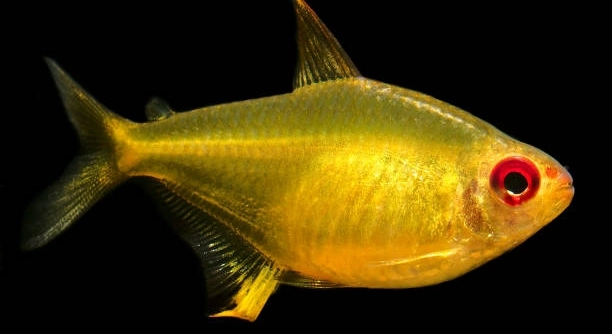
Are your lemon tetras swimming in a tank that feels a little plain or lacking in stimulation? Upgrading their environment can improve their health and happiness. Simple changes can make a noticeable difference for these lively fish.
Upgrading a lemon tetra tank involves considering aspects such as water filtration, lighting, plant placement, substrate choice, and decorative elements. These enhancements support natural behaviors, reduce stress, and contribute to maintaining optimal water quality for the species.
Enhancing your tank can transform it into a more vibrant, healthy space for your tetras to thrive and display their best colors. Small upgrades often have a big impact on their overall wellbeing.
Upgrading Your Tank Filtration
A reliable filtration system is essential for maintaining a clean and healthy environment for lemon tetras. Poor water quality can stress the fish, weaken their immune systems, and stunt their growth. When selecting a filter, consider both mechanical and biological filtration to remove debris and maintain beneficial bacteria. Sponge filters are gentle and prevent small tetras from being sucked in, while hang-on-back filters offer stronger circulation for larger tanks. Regular maintenance, including rinsing filter media in tank water and replacing worn components, keeps the system running efficiently. Upgrading your filtration can also reduce the frequency of water changes, making tank care easier while supporting the health of your fish. It is important to monitor water parameters after any upgrade to ensure stability, as sudden changes can harm your tetras. A well-chosen filter balances water clarity, oxygenation, and gentle flow.
Good filtration improves water quality, reduces stress, and supports long-term health for lemon tetras in their aquarium environment.
Consistent water testing complements filtration upgrades. Monitoring ammonia, nitrite, and nitrate levels ensures your tetras thrive. Filtration combined with stable water parameters creates a safe, clean, and balanced habitat. It also encourages natural swimming patterns and reduces aggressive behavior. A tank with optimal filtration helps your fish display vibrant colors and active movement. Choosing the right system depends on tank size, fish density, and maintenance routines. Even small improvements, like adding a pre-filter sponge or upgrading to a higher-capacity filter, can make a noticeable difference in water clarity and fish behavior. Remember, lemon tetras are sensitive to sudden changes, so gradually integrating upgrades ensures they adapt smoothly. Pairing filtration with routine partial water changes maximizes water quality. Investing in effective filtration protects the tank’s ecosystem, supporting healthy plants, invertebrates, and fish alike.
Enhancing Tank Lighting
Proper lighting is crucial for both fish and plants in a lemon tetra tank. Lighting affects fish activity, coloration, and plant growth.
Choosing lighting that mimics natural daylight encourages tetras to be more active and display their bright yellow hues. LED lights are energy-efficient and adjustable, providing both intensity and color spectrum control. Plants benefit from adequate lighting, promoting photosynthesis and healthy growth. Avoid overly strong lights, as they can stress tetras or cause algae blooms. Implementing a consistent light schedule, ideally 8 to 10 hours per day, supports circadian rhythms and overall tank stability. Upgrading to a full-spectrum light enhances both aesthetic appeal and ecosystem balance.
In addition to visual appeal, lighting impacts plant health, algae growth, and fish behavior. Properly timed and balanced illumination supports a thriving, natural-looking aquarium environment.
Adjusting lighting in a lemon tetra tank requires balancing brightness and duration. Overly dim lights can stunt plant growth, while intense lighting may cause stress. Choosing adjustable LED lights allows you to fine-tune conditions and mimic natural environments. A timed lighting schedule helps fish establish routines, reducing erratic swimming or hiding. Full-spectrum lighting encourages plant photosynthesis, contributing to oxygenation and nutrient cycling. When paired with filtration and tank decorations, lighting creates depth and enhances the tank’s visual appeal. Seasonal variations in light intensity can be simulated for a more natural feel. Observing fish behavior under different lighting setups helps identify what works best for your tank. Lighting upgrades are simple yet impactful, supporting plant vitality and improving fish coloration. Combined with other enhancements, proper lighting fosters a harmonious, visually appealing, and healthy habitat for your lemon tetras.
Upgrading Substrate and Decorations
Choosing the right substrate can impact water quality and fish behavior. Fine gravel or sand allows tetras to swim comfortably and reduces the risk of injury. Decorations provide hiding spots and encourage natural exploration, helping reduce stress.
A mix of smooth stones, driftwood, and live plants offers both aesthetic appeal and functional benefits. Live plants improve water quality by absorbing nitrates and provide shelter for shy or young tetras. Driftwood releases tannins that slightly acidify water, which suits lemon tetras’ natural preferences. Avoid sharp or rough decorations that could damage delicate fins. Arranging decorations to create open swimming spaces along with hiding spots promotes natural schooling behavior and reduces territorial disputes. Regularly cleaning and rotating decor keeps the tank environment fresh and engaging for your fish.
Upgrading substrate and decorations can also enhance your tank visually while supporting a stable ecosystem. Layering substrate, strategically placing plants, and incorporating natural textures encourage healthier fish activity and vibrant coloration. Thoughtful decoration arrangements mimic natural habitats, reduce stress, and create a balanced tank environment. Over time, tetras will explore more confidently, interact with their surroundings, and display improved overall health. By combining practical and decorative elements, your tank becomes both visually appealing and functionally supportive, benefiting plants, invertebrates, and fish alike.
Improving Water Temperature Control
Maintaining consistent water temperature is critical for lemon tetras’ health. Sudden fluctuations can stress fish, weaken immunity, and trigger disease outbreaks.
Using a reliable heater with an adjustable thermostat ensures stable temperatures within the recommended range of 72–79°F (22–26°C). Position the heater to allow even heat distribution throughout the tank. A separate thermometer provides a backup check to confirm accuracy. Combining a heater with proper insulation or a tank cover helps maintain consistent conditions, especially in rooms with temperature swings. Gradually adjusting temperature during seasonal changes prevents shock and supports fish adaptation. Avoid placing the tank near drafts, windows, or direct sunlight, which can create uneven heating and stress tetras.
Consistent temperature control promotes active swimming, regular feeding, and proper digestion. It also reduces the risk of stress-related illness and supports reproduction in healthy, stable conditions. Installing a dependable heater and monitoring devices provides peace of mind, allowing you to focus on other tank upgrades. Gradual adjustments ensure fish acclimate safely, preserving their vibrant coloration and behavior. Combining temperature stability with filtration, lighting, and substrate improvements creates a balanced environment that meets all biological needs of lemon tetras. Proper temperature management enhances longevity and overall quality of life in the aquarium.
Adding Live Plants
Live plants improve water quality by absorbing excess nutrients and providing oxygen. They also offer hiding spots, making tetras feel secure and encouraging natural schooling behavior.
Plants like Java fern, Anubias, and Amazon sword are easy to care for. They tolerate a range of conditions and require minimal maintenance, making them ideal for a lemon tetra tank.
Installing a CO2 or Air System
A CO2 or air system supports plant growth and enhances oxygen levels in the tank. CO2 injection boosts photosynthesis, resulting in healthier, more vibrant plants. An air pump creates gentle water movement, improving gas exchange and reducing stagnant areas. Properly placed air stones or diffusers ensure even distribution without stressing fish. These systems can complement lighting and substrate upgrades, helping maintain a balanced ecosystem. Adjust flow and intensity gradually to avoid sudden changes. Regular monitoring of plant health and water parameters ensures the system works effectively and supports both flora and fauna in the tank.
Upgrading Food Options
Providing high-quality food ensures proper nutrition and vibrant colors. Mix flake, frozen, and live foods for variety.
Installing a Timer for Lights and Equipment
A timer ensures consistent operation of lights, heaters, and filters, supporting natural rhythms and stability in the tank environment.
FAQ
How often should I upgrade my lemon tetra tank?
Upgrades should be considered whenever your tank shows signs of imbalance or when your fish appear stressed. Regular maintenance, such as checking water quality, cleaning filters, and observing fish behavior, can indicate when upgrades are necessary. Minor adjustments like adding decorations, improving lighting, or adjusting substrate can be done gradually without disturbing the fish. More significant upgrades, such as installing a new filtration system or changing the heater, should be implemented carefully to avoid sudden environmental changes. Consistent observation ensures that upgrades benefit the tank without creating stress or instability for the tetras.
What is the best type of substrate for lemon tetras?
Fine gravel or sand works best for lemon tetras. Smooth substrates allow fish to swim comfortably and prevent injury to delicate fins. Sand can also create a more natural look and support plant growth. Avoid sharp or coarse gravel that can cause cuts or scratches. Layering the substrate can help anchor plants and provide hiding spots for fish fry. Cleaning the substrate regularly by siphoning debris keeps water quality stable and reduces the risk of disease. A well-chosen substrate enhances tank aesthetics while supporting natural behaviors and overall health.
Do live plants really make a difference in the tank?
Yes, live plants significantly improve water quality by absorbing excess nutrients and producing oxygen. They provide natural hiding spaces that reduce stress and encourage natural schooling behavior. Plants like Anubias, Java fern, and Amazon sword are low-maintenance and thrive under standard aquarium conditions. Proper plant placement can create shaded areas and open swimming spaces, enhancing both aesthetics and functionality. Healthy plants also compete with algae for nutrients, reducing unwanted growth and keeping the tank cleaner. Overall, live plants support a balanced ecosystem and contribute to the well-being of lemon tetras in the long term.
How important is temperature control for lemon tetras?
Temperature control is critical because lemon tetras are sensitive to sudden changes. Maintaining a stable range of 72–79°F (22–26°C) supports normal feeding, digestion, and activity levels. A reliable heater with a thermostat, combined with a thermometer, ensures accurate temperature regulation. Gradual adjustments during seasonal changes prevent shock and help fish acclimate safely. Avoid placing the tank near drafts, direct sunlight, or heaters that could cause rapid fluctuations. Stable temperature reduces stress, prevents illness, and promotes healthy coloration and behavior, creating a consistent and supportive environment for the fish.
Can upgrading the filtration system reduce maintenance?
Yes, a high-quality filtration system improves water clarity and reduces waste accumulation, lowering the frequency of water changes. Filters that combine mechanical and biological filtration remove debris while maintaining beneficial bacteria. Sponge filters are gentle for small fish, while hang-on-back filters provide stronger circulation for larger tanks. Regular cleaning and media replacement keep filters efficient. Upgrading filtration also supports plant growth by maintaining stable water parameters. Consistent water quality reduces stress on fish, encourages natural behaviors, and creates a healthier, more visually appealing tank overall.
How does lighting affect my lemon tetras?
Lighting affects both fish and plants. Proper lighting encourages activity, enhances coloration, and supports plant photosynthesis. LED lights are efficient and adjustable, allowing control over intensity and spectrum. Overly strong light can stress tetras or promote algae growth, while insufficient light can stunt plants. A consistent schedule of 8–10 hours per day helps maintain circadian rhythms. Balanced lighting improves aesthetics and contributes to a stable, healthy tank environment, supporting both flora and fauna.
Is adding air or CO2 necessary for a tetra tank?
Adding air or CO2 systems is not mandatory but can be beneficial. Air pumps improve oxygen levels and water circulation, preventing stagnant areas. CO2 injection enhances plant growth and vitality. Proper placement and gradual adjustments avoid stressing the fish. These systems complement lighting, substrate, and filtration upgrades, supporting a balanced ecosystem and healthier, more active tetras.
What types of food should I offer lemon tetras?
Variety is key. Flake food provides daily nutrition, frozen foods like brine shrimp or daphnia offer protein, and occasional live foods encourage natural hunting behavior. High-quality food enhances coloration and overall health. Feeding small portions multiple times per day prevents overfeeding and keeps water quality stable. Rotate food types to ensure a balanced diet and stimulate activity.
Are decorations really necessary?
Decorations create hiding spots, reduce stress, and encourage exploration. Driftwood, rocks, and plants mimic natural habitats, providing security for shy or young tetras. Avoid sharp edges and overcrowding, which can lead to injuries or restricted swimming space. Thoughtful decoration enhances aesthetics while supporting natural behavior and tank balance.
How can I know if my upgrades are working?
Observe fish behavior and water parameters regularly. Healthy tetras will swim actively, show bright coloration, and feed consistently. Check ammonia, nitrite, and nitrate levels to ensure stability. Clear water, thriving plants, and reduced algae growth indicate successful upgrades. Adjust or fine-tune enhancements based on these observations to maintain a balanced and supportive environment.
This FAQ provides practical guidance for maintaining a vibrant and healthy lemon tetra tank. Implementing these upgrades carefully helps create a stable, thriving environment for both fish and plants.
Final Thoughts
Maintaining a lemon tetra tank requires attention to both the needs of the fish and the overall balance of the aquarium environment. Each upgrade, whether it is improving filtration, adjusting lighting, or adding live plants, contributes to the health and comfort of the tetras. A clean, well-maintained tank reduces stress and supports natural behaviors such as schooling, exploring, and feeding. These upgrades also help maintain water quality and stability, which are essential for the long-term wellbeing of the fish. While small adjustments may seem minor, the combined effect of multiple improvements can make a noticeable difference in the overall vitality and activity levels of your tetras. Observing the fish regularly allows you to see how changes impact behavior and health, providing guidance for further adjustments. Over time, maintaining a balanced environment becomes easier as routines are established and upgrades are integrated effectively.
Focusing on the tank as a whole rather than individual elements ensures that all aspects work together. Proper substrate supports plant growth, decorations provide hiding spots, and a stable temperature maintains fish comfort. Filtration and aeration help maintain clear water and oxygen levels, reducing the likelihood of disease. Lighting encourages plant growth and highlights the natural coloration of the fish. By considering each component carefully, you create a harmonious environment that supports both fish and plant life. Consistency is key, and gradual implementation of upgrades helps prevent stress caused by sudden changes. Each element in the tank affects the others, so planning upgrades with balance in mind ensures a healthier, more stable ecosystem. Over time, these improvements become part of regular care, making the tank easier to manage while supporting the tetras’ natural behavior and wellbeing.
The goal of upgrading a lemon tetra tank is to create an environment that encourages natural activity, supports health, and enhances visual appeal. Each small change, from improving lighting to adding new plants, contributes to a more vibrant and dynamic tank. Observing the tetras’ responses to these changes allows for careful adjustments and ongoing improvements. Over time, a well-upgraded tank results in fish that are more active, colorful, and healthy, reflecting the stability and quality of their environment. Maintaining this balance requires attention, but the benefits are clear in the overall vitality of the fish and plants. By integrating upgrades thoughtfully, you ensure the tank remains a supportive and visually appealing habitat that meets the needs of lemon tetras while simplifying long-term maintenance. This approach provides a practical and sustainable way to enhance the aquarium experience, creating a thriving environment where the tetras can flourish.

Hello,
If you enjoy the content that we create, please consider saying a "Thank You!" by leaving a tip.
Every little bit helps us continue crafting quality advice that supports the health, happiness, and well-being of pets around the world, for pets of all shapes, sizes, and species.
We really appreciate the kindness and support that you show us!