
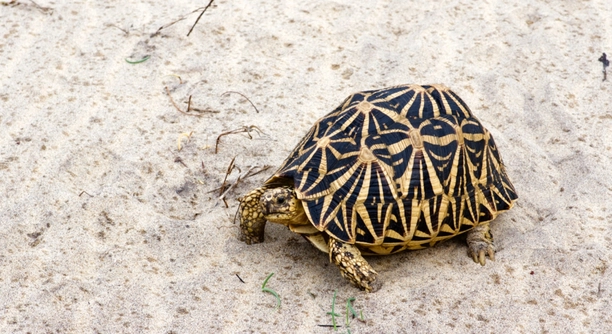
If your Indian Star Tortoise isn’t using its hide, it could be due to various factors affecting its behavior and comfort. Understanding the reasons behind this can help you create a more suitable environment for your pet.
The primary reason why your Indian Star Tortoise may not be using its hide is a lack of environmental security or unsuitable temperature. Tortoises prefer a safe, consistent environment, and any stressors, like inadequate humidity or temperature fluctuations, may discourage its use.
With proper adjustments to its habitat, you can ensure your tortoise feels safe and comfortable, promoting more natural behaviors.
Possible Causes of Your Tortoise’s Behavior
If your Indian Star Tortoise isn’t using its hide, one of the main reasons could be that it feels insecure in its environment. Tortoises, like other reptiles, require a space where they feel safe and comfortable. If the enclosure is too noisy, too bright, or too open, your tortoise might avoid hiding. A hide should be placed in a quiet, dim corner of the enclosure to provide privacy and comfort. The absence of such a space could lead to your tortoise spending more time in open areas, where it feels less protected.
Another issue could be the lack of proper temperature regulation. Tortoises are sensitive to temperature changes, and if the enclosure doesn’t maintain a consistent warmth, your tortoise might avoid the hide. The hide should be placed in a warmer section of the habitat, ensuring your pet has easy access to a suitable temperature. Too much fluctuation in warmth could also stress your tortoise, leading to abnormal behavior such as avoiding its hide.
You may also want to evaluate the hide itself. Sometimes, the hide might not be suitable in terms of size or shape. It needs to be spacious enough for the tortoise to fit comfortably but small enough to provide a sense of security. If the hide is too large or too small, your tortoise may reject it altogether.
Assessing the Habitat Setup
A good habitat setup is crucial for your tortoise’s well-being. Check the temperature gradient and humidity levels in the enclosure. A well-maintained environment encourages natural behaviors like using the hide.
The placement of the hide is just as important as its condition. Positioning it in a cooler or too exposed area might make your tortoise feel vulnerable. Ensuring that the hide is in a warm, quiet area can help create the comfort it needs.
Temperature and Humidity Control
The temperature and humidity levels in your tortoise’s enclosure are crucial. If the temperature is too low or high, it could discourage your tortoise from using its hide. Tortoises need a warm basking area and a cooler zone for resting.
A temperature range between 85-90°F (29-32°C) for the basking spot and 75-80°F (24-27°C) for the cooler side is ideal. Humidity should be around 60-70%, as too much moisture can cause health issues. If your tortoise is avoiding its hide, checking these factors could solve the problem.
Inconsistent temperature can cause stress, which may result in the tortoise seeking shelter elsewhere. It’s important to monitor the environment regularly, adjusting the heat source and humidity levels accordingly. Consider using a thermometer and hygrometer to ensure the environment stays within the optimal range for your tortoise’s health and comfort.
Size and Layout of the Hide
The size and layout of the hide also matter. A hide that’s too large or too small may not feel safe to your tortoise. It should be large enough for the tortoise to move around comfortably but small enough to provide a sense of security.
Try adjusting the size of the hide to see if your tortoise prefers a snugger or more spacious space. The hide should also be easy to enter and exit, with no obstacles in the way. If the hide is positioned too close to the basking area or too far from the cooler zone, the tortoise may not feel comfortable using it.
Stress and Environmental Factors
If your tortoise is stressed, it may avoid using its hide. Stressors can include loud noises, new pets, or sudden changes in the environment. A calm and stable setting is essential.
Changes in its environment, such as rearranging furniture or adding new objects, can make the tortoise feel unsettled. It’s best to maintain consistency in the setup to reduce stress.
Health Issues
Health problems can also lead to changes in behavior. If your tortoise is unwell, it might avoid its hide. Look for signs like lethargy, loss of appetite, or unusual movements.
Infections, parasites, or metabolic bone disease could be underlying issues. If behavior changes are accompanied by physical symptoms, it’s worth consulting a vet for an examination.
FAQ
Why isn’t my Indian Star Tortoise using its hide?
There are a few reasons why your tortoise might not be using its hide. Environmental factors like temperature, humidity, or stress could be the cause. If the temperature in the hide isn’t right, your tortoise may avoid it. It’s important to ensure the hide is placed in a temperature zone that meets your tortoise’s needs. Stress from changes in the environment or any disturbances nearby could also cause your tortoise to stay away from the hide.
How can I make my tortoise feel more comfortable in its hide?
To make your tortoise feel more comfortable in its hide, ensure the enclosure has a proper temperature gradient, with a warm basking area and a cooler section. The hide should be positioned in a quiet, sheltered area of the enclosure. It should be snug but spacious enough for your tortoise to move freely. Adding some substrate like coconut fiber or grass inside the hide can help your tortoise feel more at home.
Should I change the hide’s location if my tortoise isn’t using it?
If your tortoise is avoiding the hide, relocating it to a quieter or more secluded area of the enclosure could help. Make sure the hide is placed in the warm side of the habitat, where your tortoise feels safe. Avoid placing it near the basking spot, as your tortoise may avoid it if it feels too exposed.
Can my tortoise be too old or young to use the hide?
Age doesn’t typically affect a tortoise’s preference for using its hide. However, younger tortoises might feel more insecure and need a hide more frequently. Older tortoises, on the other hand, may prefer spending time basking more than hiding. It’s important to assess your tortoise’s comfort levels based on its age and behavior.
Is it okay if my tortoise doesn’t use its hide regularly?
While it’s important to provide a hide for your tortoise, some tortoises may not use it as frequently as others. Tortoises are naturally curious and might spend more time exploring their environment or basking. As long as your tortoise has access to the hide and other suitable conditions, it’s okay if it doesn’t use it regularly.
What temperature should the hide be?
The hide should be placed in a warm area of the enclosure, ideally with temperatures between 85-90°F (29-32°C). It should not be too hot or too cold, as tortoises are sensitive to extreme temperature changes. Providing a consistent temperature range will make your tortoise feel more comfortable using the hide.
Can I use a plastic hide for my tortoise?
Plastic hides are fine as long as they provide enough space and comfort for your tortoise. They should not be too small, and the material should allow for proper ventilation. Some tortoises may prefer more natural materials like wood or ceramic, but a plastic hide can work well if it suits your setup.
Why does my tortoise seem to avoid hiding during the day?
Tortoises are more likely to hide during the night or during cooler parts of the day when they feel most vulnerable. If your tortoise avoids the hide during the day, it could simply be basking or exploring its surroundings. This is normal behavior and indicates that your tortoise feels safe enough to remain in open areas.
How do I know if my tortoise is stressed?
Signs of stress in tortoises can include excessive pacing, loss of appetite, refusal to use its hide, or hiding for long periods. If your tortoise shows these behaviors, it may be responding to environmental stressors like a sudden change in habitat, loud noises, or the presence of other pets.
Can health issues affect my tortoise’s behavior with its hide?
Yes, health issues can lead to a tortoise avoiding its hide. If your tortoise is sick or uncomfortable, it may retreat to its hide to rest or avoid it due to feeling too weak. Look for other signs of illness such as lethargy, disinterest in food, or abnormal movement. If you notice these symptoms, it’s best to consult a vet.
Final Thoughts
Ensuring your Indian Star Tortoise uses its hide is crucial for its well-being. A hide provides a safe space where your tortoise can retreat when feeling stressed or needing rest. If your tortoise avoids its hide, it could be due to factors such as temperature, humidity, stress, or health issues. Understanding these factors can help you create a more comfortable and secure environment for your pet.
To address the issue, begin by checking the temperature and humidity levels in the enclosure. The hide should be placed in an area that maintains a warm temperature with a cooler section nearby. This setup allows your tortoise to choose the area where it feels most comfortable. If the hide isn’t being used, it could also be the size or placement that’s causing the issue. Ensuring the hide is neither too large nor too small, and positioned in a quiet part of the habitat, may encourage your tortoise to use it more often.
Lastly, consider the overall environment. Stress can be a significant factor in a tortoise’s behavior. Sudden changes, loud noises, or even new animals in the home can cause stress and prevent your tortoise from seeking refuge in its hide. With proper care, patience, and adjustments to the environment, your tortoise should feel more secure and comfortable using its hide. If you’ve ruled out environmental factors and stress, and your tortoise still avoids the hide, it may be time to consult a veterinarian to ensure there are no underlying health concerns affecting its behavior.

Hello,
If you enjoy the content that we create, please consider saying a "Thank You!" by leaving a tip.
Every little bit helps us continue crafting quality advice that supports the health, happiness, and well-being of pets around the world, for pets of all shapes, sizes, and species.
We really appreciate the kindness and support that you show us!