
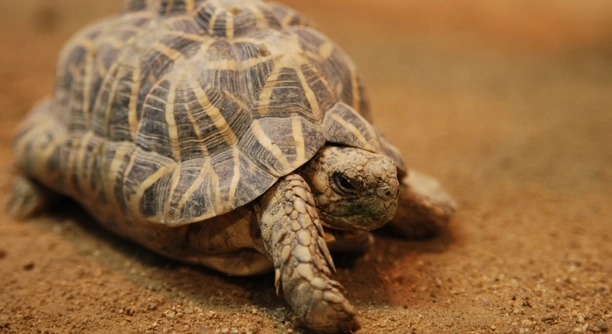
The Indian Star Tortoise is a beloved pet known for its unique markings and calm nature. As with any pet, ensuring its health is vital for its longevity and happiness. Observing your tortoise’s behavior and physical condition can reveal important signs of well-being.
A healthy Indian Star Tortoise exhibits clear eyes, smooth shell, and active behavior. Its appetite should be consistent, and it should show no signs of lethargy. Proper hydration and a balanced diet also contribute to its overall health.
Maintaining these signs of health requires consistent care and attention.
Signs of a Healthy Indian Star Tortoise
A healthy Indian Star Tortoise can be easily identified by several key physical traits. Its shell should be smooth, shiny, and free from cracks or deformities. The color of its shell, typically yellow with black patterns, should be vibrant and not faded. The eyes should be clear, with no cloudiness or discharge. The tortoise should be alert and responsive, showing interest in its surroundings. When the tortoise is active, it should move with ease, without limping or struggling. A healthy tortoise is also a good eater, feeding regularly and consuming a variety of appropriate foods.
A well-balanced diet is crucial in maintaining the tortoise’s health. A varied diet of leafy greens, vegetables, and some fruits should be offered regularly. Additionally, it’s important to provide access to calcium, either through natural sources like cuttlebone or as part of the diet.
Hydration is another essential aspect of maintaining a healthy tortoise. Make sure your tortoise always has access to fresh water, and remember that soaking it in water occasionally helps with hydration.
Health Maintenance Tips
The best way to ensure your tortoise remains healthy is by regularly monitoring its behavior and physical condition. Provide a clean, safe habitat with proper temperature and humidity levels.
Daily care involves offering fresh food, ensuring a clean environment, and providing ample space for your tortoise to move around. Lighting is also essential to mimic natural daylight cycles, aiding in digestion and overall well-being. Temperature control is equally important, with a basking area that reaches up to 90°F.
Avoid overfeeding your tortoise, as obesity can lead to serious health problems. Regularly check its weight and adjust the diet accordingly to keep it in a healthy range. Routine health checks by a veterinarian will also help ensure your tortoise stays in top shape.
Shell Condition
The shell of your Indian Star Tortoise plays a vital role in its overall health. It should be smooth, firm, and free of abnormalities like cracks or soft spots. Regularly inspect the shell for any signs of injury or infection.
A well-maintained shell reflects the tortoise’s general health. If the shell is dry, flaky, or soft, it may indicate a nutritional deficiency or improper humidity levels in the habitat. Ensure it receives adequate calcium and Vitamin D3, which are crucial for shell growth. If there are any noticeable issues, consult a veterinarian.
If you notice any deformities or shell damage, immediate intervention is necessary to prevent further harm. Providing a proper environment with appropriate lighting and temperature is also key to supporting shell health. The shell acts as a protective barrier, so keeping it in top condition will ensure your tortoise stays strong and resilient.
Activity Levels
A healthy Indian Star Tortoise is an active one. It should move around its enclosure, explore its surroundings, and exhibit curiosity about its environment. Low energy or lethargy is a concern, suggesting something may be wrong.
Regular movement is a sign of good health, while sluggishness or unresponsiveness could indicate a variety of issues, such as improper diet, insufficient lighting, or illness. A tortoise that doesn’t seem interested in its surroundings may also be suffering from stress or discomfort due to environmental factors.
To keep your tortoise active, ensure it has enough space to roam freely. A cramped habitat can lead to stress, making the tortoise more sedentary. Also, maintaining appropriate temperatures is essential to encourage natural activity levels and digestion. Regular exercise and exploration are important for its physical and mental well-being.
Appetite and Feeding Habits
A healthy Indian Star Tortoise will have a steady appetite. It should show interest in its food and eat a variety of fresh vegetables and leafy greens. If its appetite decreases or it refuses food, something may be wrong.
Regular feeding ensures your tortoise is getting the proper nutrients. A lack of appetite could indicate stress, illness, or an improper diet. Offer a range of foods and avoid overfeeding to prevent obesity. Ensure that the food is fresh and clean, and check for any signs of spoilage before offering it.
Hydration
Hydration is essential for your tortoise’s health. It should always have access to fresh water and be encouraged to drink regularly.
Soaking the tortoise in shallow water also aids in hydration and promotes proper digestion. Make sure the water is not too deep, as your tortoise may struggle to climb out. Always provide clean water and change it frequently. This is vital for avoiding dehydration and maintaining overall health.
Temperature Regulation
Your Indian Star Tortoise relies on proper temperature regulation to stay healthy. The basking area should be around 90°F, while the cooler end of the habitat can range from 75°F to 80°F.
These temperature differences help your tortoise regulate its body heat and metabolism. Too high or too low temperatures can cause stress and digestive issues. It’s crucial to provide both warm and cooler areas so your tortoise can choose its preferred environment. Using a reliable thermometer will help maintain the right balance and ensure its comfort.
FAQ
How can I tell if my Indian Star Tortoise is sick?
Signs that your Indian Star Tortoise may be unwell include lethargy, lack of appetite, cloudy or swollen eyes, and irregular breathing. If the shell becomes soft, cracked, or has unusual discoloration, this can also indicate health issues. Regular monitoring of its activity levels and eating habits is essential for identifying potential problems early.
What should I do if my tortoise isn’t eating?
If your tortoise isn’t eating, first check its environment. Ensure that the temperature and humidity levels are within the correct range. Stress from an inappropriate habitat, such as improper lighting or overcrowding, can also cause a lack of appetite. If environmental factors seem fine, a visit to the vet is recommended.
How do I prevent my tortoise from becoming dehydrated?
To prevent dehydration, always provide your tortoise with access to fresh water. You can also soak it in shallow water for about 20 minutes every few days to help with hydration. Ensure the water is clean and changed regularly. If your tortoise’s skin seems dry, it could be a sign of dehydration.
Can I feed my tortoise fruit?
Fruits can be offered occasionally, but they should not make up the bulk of the diet. Fruits are high in sugar, which isn’t ideal for your tortoise’s digestive system. Instead, focus on leafy greens and vegetables. Fruits like strawberries, melons, and apples can be given in moderation, but always ensure they are free of pesticides.
How often should I feed my Indian Star Tortoise?
Typically, adult Indian Star Tortoises should be fed every other day. Juveniles may require daily feeding. Provide a balanced diet of leafy greens, vegetables, and some fruits. Ensure that the portions are appropriate for its size and age, and remove any uneaten food to keep the habitat clean.
Is it necessary to provide UVB lighting for my tortoise?
Yes, UVB lighting is necessary for the health of your tortoise. UVB rays help in the production of Vitamin D3, which is essential for calcium absorption and shell health. Without proper UVB exposure, your tortoise may develop metabolic bone disease. Ensure the light is placed at the right distance to avoid burns.
Can I house more than one Indian Star Tortoise together?
It’s possible to house more than one tortoise together, but caution is needed. Males can be territorial, and overcrowding can lead to stress and aggression. If you decide to house more than one tortoise, ensure the enclosure is large enough to allow each tortoise its own space to roam freely.
What is the ideal temperature for an Indian Star Tortoise?
The basking area should be around 90°F, while the cooler side of the enclosure should range from 75°F to 80°F. These temperature gradients allow the tortoise to regulate its body temperature properly. Ensure the temperatures are monitored regularly with a reliable thermometer to maintain consistency.
How often should I clean my tortoise’s enclosure?
The enclosure should be cleaned at least once a week. Remove any uneaten food, soiled bedding, or waste daily to prevent the buildup of harmful bacteria. Clean the substrate and decorations weekly, disinfecting the enclosure with a mild reptile-safe cleaner. This helps in maintaining a healthy environment for your tortoise.
What should I do if my tortoise has a respiratory infection?
If you suspect a respiratory infection, look for symptoms like wheezing, nasal discharge, or labored breathing. Respiratory infections are serious and can quickly worsen, so it’s important to get your tortoise to a vet as soon as possible for diagnosis and treatment. Ensure the enclosure is at the correct temperature and humidity to avoid aggravating the condition.
Final Thoughts
Caring for an Indian Star Tortoise requires attention to detail and a commitment to maintaining a healthy environment. It is crucial to monitor the health of your tortoise regularly, paying close attention to its diet, shell condition, and overall behavior. A healthy tortoise should be active, eating well, and showing interest in its surroundings. Regular checks will help you detect any issues early, allowing you to address them before they become serious problems. By providing proper care and a suitable habitat, you ensure that your tortoise lives a long, healthy life.
Creating the right environment for your tortoise is essential for its well-being. The right balance of temperature, humidity, and lighting plays a significant role in keeping your tortoise healthy. UVB lighting is necessary for calcium absorption, and maintaining proper humidity levels will prevent dehydration and skin problems. A clean and spacious enclosure will reduce stress and allow your tortoise to thrive. Additionally, offering a balanced diet that consists mainly of leafy greens and vegetables, along with occasional fruits, will support its overall health.
Lastly, patience and consistency are key. It can take time to learn what works best for your tortoise, but with persistence, you can establish a routine that promotes its well-being. Regular vet visits are important for ongoing health checks, especially as your tortoise ages. Monitoring its behavior, activity levels, and feeding habits will provide insight into its health. By staying informed and adjusting the care routine as needed, you ensure that your Indian Star Tortoise will enjoy a happy, healthy life in your care.

Hello,
If you enjoy the content that we create, please consider saying a "Thank You!" by leaving a tip.
Every little bit helps us continue crafting quality advice that supports the health, happiness, and well-being of pets around the world, for pets of all shapes, sizes, and species.
We really appreciate the kindness and support that you show us!