
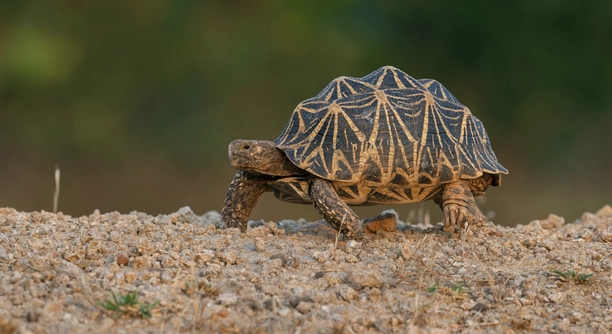
Choosing the right substrate for your Indian Star Tortoise is important for its health and well-being. Not all substrates are suitable, and using the wrong ones can cause harm to your tortoise. Here’s what to avoid.
There are several types of substrates that should be avoided for Indian Star Tortoises. These include materials that can retain too much moisture, are too coarse, or pose a risk of ingestion. Choosing a proper substrate is essential for preventing health issues.
Understanding which substrates can harm your tortoise will help you create a safer and more comfortable environment. Keep reading to learn which ones to avoid and why they can be detrimental to your pet’s health.
1. Sand Substrate
Sand might seem like an appealing choice for your Indian Star Tortoise’s enclosure, but it can cause more harm than good. Fine sand, in particular, can be ingested easily by your tortoise while eating or exploring its habitat. This can lead to gastrointestinal issues, including impaction, which can be life-threatening. Sand also has a tendency to retain moisture, creating a humid environment that can promote the growth of harmful bacteria and fungi. Excess moisture in the habitat can lead to respiratory issues, skin infections, and overall stress for your tortoise. While it’s often marketed as a natural substrate, it doesn’t provide the proper conditions for a healthy tortoise.
To keep your tortoise safe, avoid using sand as a substrate. It’s important to choose a substrate that encourages dry, well-ventilated conditions to support their overall health and reduce the risk of illness.
Instead of sand, consider using alternatives like coconut coir or shredded paper, which are safer and better suited for maintaining dry, clean, and hygienic living conditions. These materials allow for proper drainage and won’t pose a risk of impaction.
2. Pine and Cedar Shavings
Pine and cedar shavings might seem like an easy option for bedding, but these wood shavings can be harmful to your tortoise. The aromatic oils found in these woods can cause respiratory problems, skin irritation, and even liver damage if ingested. These oils are toxic to many reptiles, including Indian Star Tortoises. When the tortoise comes into contact with the shavings, it can inhale these toxins, leading to serious health complications. Furthermore, these shavings can retain moisture, which can increase the risk of mold growth, making the habitat unsanitary and dangerous for your pet.
To ensure your tortoise’s safety, avoid using pine and cedar shavings as bedding. Look for natural, unscented substrates, such as coconut fiber or aspen shavings. These options are much safer and less likely to cause harm to your tortoise.
3. Gravel and Large Rocks
Gravel and large rocks are not recommended for your Indian Star Tortoise’s enclosure. These materials can cause injury if your tortoise falls or bumps into them. The sharp edges of rocks can harm their delicate shell, leading to cuts or abrasions. Additionally, large rocks can make it difficult for your tortoise to move around comfortably, restricting its access to food and water. The hard surface can also be stressful, as it doesn’t provide the proper comfort or traction for the tortoise to explore.
Choosing a more appropriate substrate will allow your tortoise to navigate freely and safely. Soft, breathable substrates, like coconut coir or organic soil, are better alternatives that offer a more comfortable and secure environment for your tortoise. Avoiding gravel and large rocks ensures the safety and well-being of your pet.
These materials also do not provide a natural burrowing experience for your tortoise. Burrowing is an essential behavior for tortoises, as it helps them regulate their temperature and humidity levels. Substrates like coconut coir or cypress mulch offer better conditions for these natural behaviors, creating a habitat that promotes physical and mental well-being.
4. Synthetic Carpet
Synthetic carpets are a poor choice for Indian Star Tortoises. While they might seem like an easy, low-maintenance option, they don’t allow for proper drainage and can trap moisture. This creates a breeding ground for bacteria and fungi, which can lead to infections. In addition, synthetic carpets are often made with chemicals that can be harmful to reptiles. These chemicals can leach into the environment and cause toxicity when your tortoise comes into contact with them.
Opting for natural, absorbent bedding materials, like aspen shavings or coconut coir, can eliminate these risks. These alternatives will keep your tortoise’s habitat clean, dry, and free from harmful chemicals, offering a much safer option. It’s essential to maintain a healthy, natural environment to keep your tortoise in top condition.
5. Clay-Based Substrates
Clay-based substrates, such as clumping cat litter, are not safe for Indian Star Tortoises. They often contain chemicals that can irritate the tortoise’s respiratory system and cause digestive issues if ingested. The fine particles can also create dust, which may lead to respiratory infections. Additionally, clay substrates are not absorbent enough to keep the habitat dry, which increases the risk of bacteria growth and mold.
Choosing a natural substrate that is safe, absorbent, and free from chemicals is essential. Materials like coconut coir or organic soil provide a better environment by promoting health and hygiene. They help maintain the proper humidity levels without posing health risks to your pet.
6. Wet Moss
Wet moss is another substrate to avoid for Indian Star Tortoises. While it may seem suitable for certain reptiles, it can cause problems in a dry environment. When moss remains damp for too long, it encourages the growth of harmful bacteria and fungi. This creates an environment that could lead to skin infections or respiratory problems for your tortoise.
Additionally, if moss is ingested, it can cause blockages in the tortoise’s digestive system, leading to potential health complications. To avoid these risks, it’s best to stick with dry, absorbent substrates that promote a clean and healthy habitat.
FAQ
What is the best substrate for Indian Star Tortoises?
The best substrate for Indian Star Tortoises is one that mimics their natural environment while providing comfort and safety. Materials like coconut coir, cypress mulch, and aspen shavings are excellent choices. These substrates are absorbent, which helps maintain proper humidity levels while preventing bacterial growth. They also allow for easy digging and burrowing, which is essential for your tortoise’s well-being. Avoid substrates that are too coarse or that retain too much moisture, as these can lead to health problems. A combination of safe, natural substrates can create an ideal habitat for your tortoise.
Can I use soil from my garden as a substrate?
Using soil from your garden is not recommended. Garden soil may contain pesticides, fertilizers, or harmful pathogens that could harm your tortoise. Additionally, it can be too compacted or not absorb moisture well, leading to poor ventilation and increased humidity. If you want to use soil, it’s important to ensure it’s organic and free from chemicals. You can mix it with other safe substrates, like coconut coir or sand, to create a more suitable environment for your tortoise.
How often should I change the substrate?
The substrate should be changed regularly to maintain a clean and healthy environment. At a minimum, you should replace or spot clean the substrate every 2-4 weeks. However, if you notice the substrate becoming too wet, smelly, or contaminated with feces, it’s best to replace it sooner. Spot cleaning daily by removing waste will also help keep the habitat fresh for your tortoise. A clean substrate prevents health risks and ensures your tortoise remains comfortable.
Can I use reptile carpet or mat as a substrate?
Reptile carpets or mats are not ideal for Indian Star Tortoises. While they are easy to clean, they don’t offer the natural environment that tortoises need. These mats can also lead to problems like impaction if ingested. Additionally, they don’t allow for proper burrowing or digging, which is essential for tortoises. Instead, opt for natural substrates that provide more comfort and health benefits, such as coconut coir or mulch.
Is sand safe for Indian Star Tortoises?
Sand is not recommended for Indian Star Tortoises, especially fine sand. It can cause impaction if ingested while your tortoise eats or explores. Sand also tends to retain moisture, leading to mold and bacteria growth. Additionally, it lacks the necessary properties for burrowing and can create a stressful environment for your tortoise. If you do choose to use sand, ensure it’s mixed with another safe substrate to reduce the risk of health issues.
What should I do if my tortoise accidentally eats the substrate?
If your tortoise eats the substrate, monitor them closely for signs of digestive issues, such as lethargy, loss of appetite, or bloating. If you suspect your tortoise has ingested harmful material, it’s important to contact a veterinarian immediately. Ingesting inappropriate substrates can cause blockages or impaction, which can be life-threatening. Going forward, make sure to choose a safer, more digestible substrate and remove any debris from the enclosure to prevent further incidents.
Can I use newspaper or paper towels as a substrate?
While newspaper or paper towels are a cheap and easy option, they do not provide the natural environment Indian Star Tortoises need. These materials do not support burrowing, which is an essential behavior for your tortoise. They also lack moisture retention and can be uncomfortable for your pet to walk on. If you’re looking for a more natural substrate, opt for coconut coir, aspen shavings, or cypress mulch.
Should I use moss in my tortoise’s enclosure?
Wet moss is not recommended for Indian Star Tortoises. It holds moisture for too long, which can cause bacterial growth and respiratory issues. Moss also has the potential to be ingested, leading to gastrointestinal blockages. If you want to use moss, make sure it’s dry and avoid using it as a primary substrate. Instead, look for safe, dry alternatives that support the tortoise’s natural behavior and health.
What temperature should my tortoise’s enclosure be with the substrate?
The temperature of the enclosure is just as important as the substrate. Indian Star Tortoises need a warm environment with a basking spot that ranges from 90°F to 100°F (32°C to 38°C). The cool side of the enclosure should be around 75°F to 80°F (24°C to 27°C). The substrate should not be too wet or too dry, as moisture levels can affect the overall temperature. Ensure that your enclosure has proper heating and UV lighting to provide the best environment for your tortoise.
Can I mix different types of substrates?
Yes, mixing different types of substrates can be a good idea, as long as they are safe for your tortoise. For example, you can combine coconut coir with cypress mulch or aspen shavings to create a more natural and comfortable environment. The mixture should allow for proper moisture retention, drainage, and ventilation. Always ensure that the materials you choose are free from chemicals and are safe for your pet to avoid health issues.
Final Thoughts
Choosing the right substrate for your Indian Star Tortoise is an important step in creating a healthy and comfortable environment. The substrate not only serves as a place for your tortoise to move and explore, but it also helps maintain the proper humidity and temperature levels. A safe substrate can prevent health problems and provide your tortoise with a more natural habitat. It is essential to avoid materials that could cause harm, such as clay-based substrates, wet moss, or garden soil treated with chemicals. By selecting the right material, you can support your tortoise’s overall well-being.
It’s also important to remember that the substrate should be cleaned regularly to ensure a hygienic environment. Spot cleaning daily and replacing the substrate every few weeks will help keep your tortoise’s habitat fresh. Regular cleaning prevents the growth of bacteria and mold, which can lead to respiratory issues or skin infections. The choice of substrate should support both the natural behaviors of the tortoise and its health. By staying vigilant and consistent in your cleaning routine, you’ll create a safe and comfortable environment for your tortoise to thrive.
Ultimately, the best substrates are those that mimic the natural habitat of the Indian Star Tortoise while remaining safe and easy to maintain. Materials like coconut coir, aspen shavings, and cypress mulch offer a comfortable and healthy living space for your tortoise. Avoiding substrates that are harmful to your tortoise’s health, such as sand or reptile mats, will ensure a longer, healthier life for your pet. A balanced approach to substrate selection, care, and cleaning will help you maintain an environment that your tortoise can enjoy for years to come.

Hello,
If you enjoy the content that we create, please consider saying a "Thank You!" by leaving a tip.
Every little bit helps us continue crafting quality advice that supports the health, happiness, and well-being of pets around the world, for pets of all shapes, sizes, and species.
We really appreciate the kindness and support that you show us!