
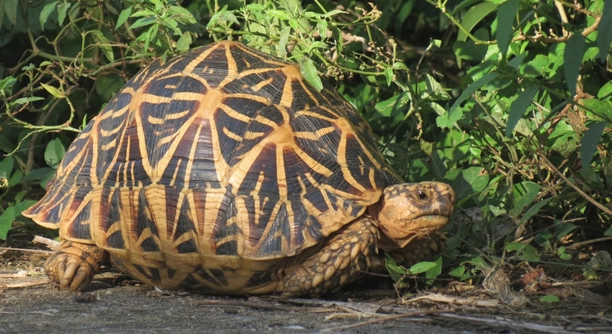
If your Indian Star Tortoise is constantly biting its food dish, it may seem odd, but this behavior is not uncommon. Understanding why this occurs can help improve your tortoise’s environment and overall well-being.
The primary reason your Indian Star Tortoise may be biting its food dish is likely due to hunger or frustration. This behavior can also stem from the tortoise seeking attention or a lack of variety in its diet.
Addressing this issue involves ensuring your tortoise has enough space, varied food, and a proper feeding routine. Keep reading for more insights on how to improve your pet’s feeding habits.
Reasons for Biting Behavior
When an Indian Star Tortoise bites its food dish, it often indicates that something in its environment is not quite right. Tortoises are creatures of habit and rely heavily on their surroundings to feel secure. They are also sensitive to changes in temperature and humidity, which can affect their appetite. If the food dish is the only thing that seems readily available, the tortoise may bite it out of frustration or hunger.
Another reason could be that the food dish doesn’t meet its needs. If the dish is too shallow or difficult to access, it may cause the tortoise to interact with it more aggressively. Additionally, some tortoises may engage in this behavior when they feel stressed or anxious about their living conditions.
Ensuring that the environment is stable and the food is presented properly is key to preventing such behavior. The food dish should be large enough to hold ample food, and your tortoise should be able to access it without difficulty.
The Role of Routine
Tortoises thrive on routine. A lack of predictability in their feeding schedule can cause them to become confused or irritated. They may begin biting the dish, hoping to communicate their hunger.
Establishing a regular feeding time each day can greatly reduce this behavior. If your tortoise knows when to expect food, it will be less likely to engage in repetitive biting. Consistent care helps reduce anxiety, making your tortoise feel secure and comfortable in its space. Proper care also includes offering food at the right temperature, as cold food might be unappealing and cause frustration.
How to Prevent Dish Biting
It’s important to evaluate the food dish itself. If your tortoise has a tendency to bite it, consider switching to a larger or more stable dish. A wider dish allows your tortoise to enjoy its food without struggling to reach it. You should also make sure it is positioned properly in the habitat to avoid creating stress or frustration.
A common mistake is feeding the tortoise the same type of food every day. This lack of variety can lead to boredom and a desire to bite the dish. Experimenting with different food items can keep your tortoise engaged and satisfied. Adding vegetables, fruits, or a variety of greens provides much-needed nutrients and prevents food-related stress. This variety in its diet will likely help curb the biting behavior.
Environmental Factors to Consider
The temperature and humidity in the tortoise’s environment directly impact its behavior. If the habitat is too hot or too cold, your tortoise may become agitated or show signs of discomfort, including biting its food dish. Maintaining a consistent temperature range between 75-85°F with humidity around 50-60% is important for your tortoise’s well-being.
A poor environment can also affect your tortoise’s feeding habits. Inadequate lighting, especially UVB light, may cause them to feel stressed. Tortoises need UVB exposure to help them metabolize calcium, which impacts their overall health and appetite. Without proper lighting and temperature, their behavior can become erratic.
Keep a close eye on the environmental setup. If you notice your tortoise biting its dish frequently, assess whether its enclosure is well-ventilated and if the basking and hiding areas are positioned correctly. The dish should be placed in a quiet, calm corner where your tortoise feels safe.
Proper Diet and Hydration
Hydration plays a key role in a tortoise’s behavior. If your tortoise is not drinking enough water, it might bite its food dish out of frustration. Make sure fresh water is always available and easily accessible, preferably in a shallow dish to prevent drowning. Tortoises can be picky drinkers, so offering water in different spots around their enclosure may help encourage them to drink more.
In addition to water, a proper diet is crucial. Your tortoise should be fed a mix of leafy greens, such as dandelion leaves, collard greens, and kale. You can occasionally supplement with fruits, but avoid overfeeding high-sugar items. Overfeeding sugary foods or offering low-nutrient food items like iceberg lettuce can lead to poor health and behavioral issues, including increased biting of the food dish.
You should also consider the size of the food pieces. Too large or too small can both cause problems. Food that is too large can frustrate the tortoise, while food that is too small may leave it unsatisfied.
Stress and Anxiety in Tortoises
Tortoises can experience stress from various factors, including loud noises, frequent handling, or changes in their habitat. Stress can lead to unwanted behaviors, such as biting the food dish. Ensuring a quiet, peaceful environment will help your tortoise feel secure.
Handling should be kept to a minimum. Frequent interactions can cause your tortoise to feel threatened and lead to stress-induced behavior. Give your tortoise enough space and allow it to approach you on its own terms. A calm environment supports a healthy, comfortable tortoise that won’t feel the need to bite its food dish.
Boredom and Lack of Stimulation
Boredom is another common cause of biting behavior. Tortoises need mental stimulation to stay active and healthy. Without enough enrichment, your tortoise might resort to biting its food dish as a form of entertainment.
Incorporating toys and hiding places in the enclosure can help. You can also add natural elements, such as rocks or logs, to encourage exploration and provide mental challenges. Providing a variety of different textures and objects to climb or hide in will create a more engaging environment. This will help prevent boredom and reduce food dish biting.
FAQ
Why does my Indian Star Tortoise keep biting its food dish?
The main reason for this behavior is often hunger or frustration. If your tortoise is not being fed on time or doesn’t have enough food to eat, it may bite the food dish as a way to signal hunger. Tortoises are creatures of habit, and when they’re hungry or bored, they might resort to biting. The dish could also be too small or difficult to access, which might frustrate your tortoise further.
How can I stop my tortoise from biting its food dish?
To stop your tortoise from biting its food dish, make sure it’s well-fed, with a varied diet that includes leafy greens and occasional fruits. Provide a proper feeding routine at the same time each day. It’s also essential to ensure the dish is accessible and large enough for the tortoise to eat comfortably. Lastly, check the environment to reduce any stress factors, such as excessive noise or poor lighting.
Does my tortoise need to be hydrated to stop biting the dish?
Yes, hydration plays an important role in your tortoise’s overall health and behavior. If your tortoise is dehydrated, it may bite the dish out of frustration or a lack of comfort. Make sure your tortoise has access to fresh, clean water at all times. If your tortoise is not drinking enough, try offering water in different containers or locations within the enclosure.
Can a dirty food dish cause my tortoise to bite it?
A dirty food dish may not be the primary cause, but it could lead to discomfort or an aversion to eating. If the dish has remnants of food or debris, your tortoise might not want to eat from it, leading to biting or frustration. Regularly clean the food dish to ensure that it’s appealing and safe for your tortoise.
What should I do if my tortoise seems constantly hungry and bites its dish?
If your tortoise seems constantly hungry and is biting its food dish, it could be due to an insufficient diet or feeding schedule. Ensure you’re feeding a balanced diet with enough variety, such as leafy greens, vegetables, and fruits. The portions should be appropriate for your tortoise’s size, and you should also feed it at consistent times every day. If hunger persists, consult with a veterinarian to rule out any health issues.
How do I know if my tortoise is stressed?
Tortoises show signs of stress through various behaviors, including biting, aggression, hiding more than usual, or reduced activity. A stressed tortoise may also eat less or appear lethargic. Common causes of stress include environmental changes, poor diet, inadequate humidity, and excessive handling. Providing a stable, calm environment is key to reducing stress.
Can I fix biting behavior by changing the environment?
Yes, a proper environment plays a significant role in preventing biting behavior. Make sure the temperature, humidity, and lighting are all appropriate for your tortoise. A stable environment reduces stress and helps your tortoise feel secure. Ensure the enclosure is large enough for your tortoise to move around and explore. If the environment is too cramped or stressful, your tortoise may resort to biting as a sign of discomfort.
Should I change the type of food I give to my tortoise to stop biting?
Changing the type of food could help. A lack of variety can make a tortoise bored with its diet, leading it to bite its dish in frustration. Try offering different types of leafy greens, vegetables, and fruits to keep the tortoise engaged and satisfied. Avoid feeding it too much of one food item, as this can also lead to boredom or nutritional imbalances.
How often should I feed my Indian Star Tortoise to avoid biting behavior?
Indian Star Tortoises are grazers and should be fed daily, though the portions should be small to prevent overfeeding. If your tortoise is biting its food dish frequently, it may be due to hunger or an unsatisfactory feeding schedule. Make sure to feed it at the same time each day, and provide fresh, varied food to prevent frustration.
Can boredom cause my tortoise to bite its food dish?
Yes, boredom can contribute to this behavior. Tortoises need stimulation and enrichment to remain happy and healthy. If they’re not getting enough to do, they may start biting their food dish out of frustration. To prevent this, offer enrichment like hiding spots, climbing objects, or safe toys to encourage exploration. A more stimulating environment will help keep your tortoise engaged and reduce biting behavior.
How do I ensure my tortoise’s habitat is stress-free?
To keep your tortoise’s habitat stress-free, ensure it has enough space, appropriate temperature, and humidity. Make sure it is not exposed to loud noises, vibrations, or frequent handling, as these can be stressful. Provide hiding spots and areas for basking. Regularly clean the enclosure to keep it hygienic and free of stressors. If your tortoise shows signs of stress, adjust the environment to better suit its needs.
Is there a specific type of food dish that works best for tortoises?
Yes, a food dish that is shallow, stable, and easy for the tortoise to access works best. A heavy ceramic or stone dish is ideal, as it won’t tip over easily. Ensure the dish is large enough to accommodate the amount of food your tortoise eats without causing frustration. Make sure there are no sharp edges that could hurt your tortoise.
Could my tortoise be biting the dish due to a lack of calcium?
Yes, a lack of calcium can lead to abnormal behaviors. Calcium is essential for a tortoise’s bone health, and a deficiency could lead to appetite problems or frustration. Make sure your tortoise is getting enough calcium in its diet, which can be achieved through calcium supplements or feeding foods like dark leafy greens. Additionally, make sure your tortoise has access to UVB light, which helps it absorb calcium.
Should I change the type of water dish to stop biting behavior?
Changing the type of water dish might not directly stop biting behavior, but offering a shallow water dish could make it easier for your tortoise to drink. Some tortoises bite their food dish because they are not getting enough water, and a properly designed water dish encourages drinking. Make sure the water is fresh and easily accessible.
Final Thoughts
Understanding why your Indian Star Tortoise bites its food dish is essential for addressing the issue and ensuring its well-being. The behavior could stem from hunger, frustration, or environmental factors. Ensuring your tortoise is well-fed with a varied diet, providing a stable feeding schedule, and making sure the dish is the right size and easily accessible can reduce the biting behavior. Additionally, hydration and proper cleaning of the dish can also play important roles. By addressing these factors, you can help your tortoise feel more comfortable and reduce any unwanted behaviors.
A healthy environment is crucial for your tortoise’s overall happiness. If the habitat is too small or uncomfortable, your tortoise might start exhibiting signs of stress, including biting its food dish. Providing ample space, the correct temperature, and adequate humidity are all essential for your tortoise’s health. Tortoises are sensitive creatures, and even small changes in their surroundings can lead to frustration or discomfort. By maintaining a calm and consistent environment, you can prevent unnecessary stress and support your tortoise’s well-being.
Lastly, it’s important to remember that tortoises are creatures of habit. Changes in feeding times, food types, or even the design of the food dish can affect their behavior. Consistency and attention to detail are key when caring for your tortoise. If the biting persists despite making the necessary changes, it’s worth consulting with a veterinarian to rule out any underlying health problems. Keeping your tortoise well-fed, hydrated, and in a stress-free environment will contribute to a happier, healthier tortoise.

Hello,
If you enjoy the content that we create, please consider saying a "Thank You!" by leaving a tip.
Every little bit helps us continue crafting quality advice that supports the health, happiness, and well-being of pets around the world, for pets of all shapes, sizes, and species.
We really appreciate the kindness and support that you show us!