
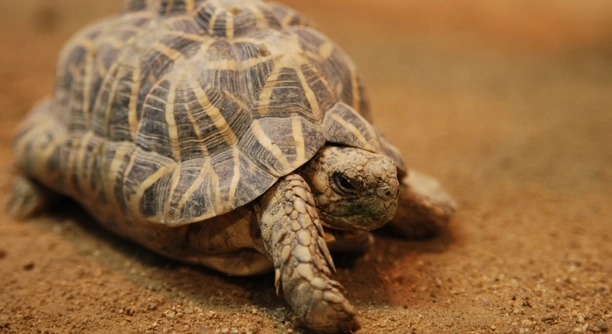
Is your Indian star tortoise struggling with digestion issues, leaving you concerned about its well-being? Proper digestion is essential for maintaining its overall health, ensuring nutrient absorption, and preventing complications like bloating or constipation. A well-balanced diet and care routine can make a difference.
To improve Indian star tortoise digestion, focus on providing a high-fiber diet, proper hydration, and a warm basking area. Regular exercise, probiotics, and avoiding high-protein foods also contribute to a healthier digestive system, preventing issues like impaction and sluggish metabolism.
Understanding these key strategies will help support your tortoise’s digestive health and overall well-being. Implementing these simple yet effective changes can make a significant difference in its quality of life.
Provide a High-Fiber Diet
A high-fiber diet is essential for your Indian star tortoise’s digestive health. Their diet should primarily consist of leafy greens, grasses, and hay. Fiber helps regulate digestion, prevents constipation, and promotes gut health. Avoid feeding excessive fruits or vegetables with high water content, as these can lead to diarrhea. Variety is also important, so rotate different types of greens like dandelion, collard greens, and mustard greens. Ensuring your tortoise has access to fresh, pesticide-free food will support its overall well-being and digestion.
Feeding your tortoise the right foods daily will prevent digestive issues. Stick to fiber-rich options and avoid processed foods or pellets that contain artificial additives. Fresh and natural food sources are always the best choice.
Consistency is key when feeding your tortoise. Introducing sudden dietary changes can lead to digestive upset. If switching foods, do so gradually over a few weeks. Monitor your tortoise’s droppings for any irregularities, as this can indicate digestive health.
Ensure Proper Hydration
Hydration plays a crucial role in digestion. Your tortoise should always have access to fresh, clean water. Dehydration can cause impaction, making it difficult for food to pass through the digestive system.
Soaking your tortoise in shallow, lukewarm water a few times a week can help with hydration. This practice encourages drinking and supports proper digestion. A humid environment also helps maintain hydration levels. Dry conditions can lead to dehydration, making digestion sluggish and uncomfortable for your tortoise.
If your tortoise isn’t drinking enough, try misting its food with water to increase moisture intake. Adding occasional water-rich vegetables, like cucumber or zucchini, in small amounts can also help. However, avoid overfeeding these as they can dilute essential nutrients. Keeping a shallow water dish in the enclosure ensures your tortoise can drink whenever needed. Proper hydration improves digestion and prevents common issues like constipation and impaction.
Maintain a Warm Basking Area
Temperature affects digestion, and a warm basking area helps your tortoise process food efficiently. The basking spot should be around 90-95°F, while the cooler side of the enclosure should stay between 75-85°F. Without proper warmth, digestion slows down, leading to discomfort and potential health issues.
A consistent heat source, such as a ceramic heat emitter or UVB light, ensures your tortoise stays warm. UVB exposure is essential for calcium absorption and metabolism. Place the basking area on one side of the enclosure, allowing your tortoise to regulate its body temperature. If temperatures drop too low, digestion can become sluggish, increasing the risk of impaction. Regularly check temperatures using a digital thermometer to ensure the environment remains stable. Providing a well-regulated basking area helps maintain digestion and prevents complications.
Nighttime temperatures should not fall below 70°F. If your home gets cooler at night, a low-wattage heat source can help maintain warmth. Avoid heat rocks, as they can cause burns. Instead, focus on overhead heating methods that provide a natural gradient. Inconsistent temperatures can disrupt digestion, so maintaining warmth throughout the day and night is essential. Providing a suitable temperature range helps your tortoise stay active and digest food efficiently.
Encourage Regular Exercise
Movement stimulates digestion by helping food move through the digestive tract. A spacious enclosure allows your tortoise to explore, graze, and remain active. Without enough space, digestion may slow down, increasing the risk of constipation and bloating. Regular movement supports gut health and overall well-being.
Outdoor time in a safe, enclosed area can significantly improve digestion. Natural sunlight provides essential UVB exposure, while the ability to roam strengthens muscles and promotes a healthy appetite. If outdoor access isn’t possible, ensure the indoor enclosure is large enough for regular movement. Adding obstacles like logs or rocks encourages activity.
Lack of exercise can lead to sluggish digestion and weight gain. If your tortoise seems inactive, check the enclosure size, temperature, and diet. Small adjustments, such as providing more climbing areas or additional space, can improve mobility. Keeping your tortoise engaged and active will lead to a healthier digestive system.
Avoid High-Protein Foods
Too much protein can harm your tortoise’s digestion and overall health. Excess protein leads to kidney strain, shell deformities, and digestive issues. Stick to a diet rich in grasses and leafy greens while avoiding animal-based proteins and high-protein vegetables like legumes or beans.
Processed tortoise pellets often contain more protein than necessary. If using commercial food, choose a low-protein option and feed it sparingly. Natural food sources are always better for digestion. Providing too much protein can lead to long-term health problems, so keeping it minimal ensures a balanced diet.
Introduce Probiotics
Probiotics support gut health by promoting beneficial bacteria in the digestive system. They help break down food, improve nutrient absorption, and prevent bloating. Natural sources like aloe vera or certain tortoise-safe plants can provide mild probiotic benefits. Commercial reptile probiotics are another option if digestive issues persist.
Monitor Stool Consistency
Checking stool consistency helps detect digestive problems early. Dry, hard stools indicate dehydration, while loose stools may signal too much water-rich food. Normal stools should be firm but not dry. Regular monitoring helps ensure your tortoise’s diet and hydration levels are properly balanced.
FAQ
What are the signs that my Indian star tortoise is having digestion problems?
Common signs of digestive issues in Indian star tortoises include lethargy, loss of appetite, difficulty passing stool, and abnormal droppings. If your tortoise isn’t eating or seems bloated, it could be a sign of constipation or other digestive issues. Keep an eye on its activity level, as reduced movement can indicate discomfort.
How can I tell if my tortoise is dehydrated?
Dehydration often shows through dry, hard stool, sunken eyes, or a lack of interest in food and water. If your tortoise isn’t drinking enough or doesn’t appear to be hydrated, soaking it in lukewarm water can help. Regular hydration supports digestion and prevents impaction.
What should I feed my tortoise to improve digestion?
A diet rich in fiber is crucial for your tortoise’s digestion. Leafy greens such as collard greens, dandelion, and kale are good options. Avoid high-protein foods like beans or animal products, as these can hinder digestion. Always provide a variety of fresh, pesticide-free foods.
Can I feed my tortoise fruits or vegetables?
Yes, but fruits and vegetables should be offered sparingly. Vegetables with high water content, like cucumber, can be given in small quantities. However, fruits should only make up a small portion of the diet since they are high in sugars and can lead to digestive upset.
How often should I feed my Indian star tortoise?
Young tortoises require daily feeding, while adults can be fed every two to three days. The frequency of feeding depends on age, activity, and overall health. Always monitor your tortoise’s appetite and adjust the feeding schedule if needed. A consistent feeding routine helps with digestion.
Should I use a heat lamp for my tortoise’s digestion?
Yes, a heat lamp is essential for regulating your tortoise’s body temperature and promoting proper digestion. The basking area should be around 90-95°F, which allows for optimal metabolism. Without the right warmth, digestion can slow down, leading to constipation or other digestive problems.
Is it necessary to provide calcium for my tortoise?
Calcium is important for overall health, especially for shell development. While it doesn’t directly affect digestion, calcium helps keep bones and the shell strong, preventing metabolic bone disease. Dust your tortoise’s food with calcium powder, but avoid excessive amounts, as balance is key.
Can too much fiber be harmful to my tortoise?
Fiber is crucial for digestion, but like anything, it should be given in moderation. Too much fiber may lead to diarrhea or blockages. Offering a variety of fiber-rich foods, such as grasses, hay, and leafy greens, ensures proper digestion without overloading the system.
How can I create a proper environment for my tortoise?
Providing a spacious enclosure with a proper heat gradient is essential. Include a basking area with a temperature of 90-95°F and a cooler side of 75-85°F. UVB lighting helps with digestion and calcium absorption, while hiding spots and climbing structures keep your tortoise active.
What should I do if my tortoise refuses to eat?
Loss of appetite can result from stress, temperature issues, or health problems. First, ensure the enclosure temperature is correct and there is no stress from other pets or disturbances. If your tortoise still refuses food after a few days, consult a veterinarian for a proper diagnosis.
Can exercise help with digestion?
Yes, regular exercise stimulates your tortoise’s digestive system. A spacious enclosure or outdoor time encourages movement, helping food pass through the digestive tract. Ensure your tortoise has enough space to roam and climb, as this contributes to overall health and efficient digestion.
What role do probiotics play in tortoise digestion?
Probiotics can promote healthy gut bacteria, aiding digestion and nutrient absorption. Adding mild probiotic sources, like aloe vera or tortoise-safe plants, can be beneficial. In some cases, reptile probiotics may be recommended to restore balance if digestive issues are persistent.
How can I help my tortoise with constipation?
If your tortoise shows signs of constipation, it may benefit from soaking in warm water for about 20 minutes. This can help loosen stool and encourage urination. Additionally, providing more fiber, hydration, and exercise can alleviate constipation over time. If issues persist, consult a vet.
How do I know if my tortoise is overweight or underweight?
Monitor your tortoise’s shell shape and body condition. An overweight tortoise will have a rounder, puffier body and may be less active. An underweight tortoise may appear more angular, with visible bones or a sunken shell. Regularly assess your tortoise’s weight to ensure a healthy body condition.
Are there specific plants I should avoid for my tortoise?
Certain plants, like those with high oxalates (e.g., spinach) or toxic compounds (e.g., rhubarb, foxglove, or lily), should be avoided. Always research plants before introducing them to your tortoise’s diet to ensure they’re safe. Opt for known, tortoise-friendly plants and provide variety in their diet.
Final Thoughts
Caring for an Indian star tortoise involves attention to its digestive health, which plays a significant role in its overall well-being. Ensuring your tortoise has a balanced diet with the right amount of fiber, vitamins, and minerals is key to supporting its digestive system. Avoiding overfeeding and sticking to a diet rich in leafy greens while limiting high-protein foods will help maintain proper digestion. Also, always ensure access to fresh water and keep the habitat at the appropriate temperature to encourage regular bowel movements and a healthy digestive process.
Regular monitoring of your tortoise’s behavior, appetite, and stool consistency is important for early detection of any potential issues. If your tortoise seems lethargic, refuses food, or passes abnormal stools, it might be a sign that something is wrong with its digestion. Taking preventive steps, such as avoiding processed foods and providing opportunities for exercise, will support a strong digestive system. It is also advisable to introduce probiotics occasionally to aid digestion, especially if your tortoise has had any digestive issues in the past.
In conclusion, maintaining a healthy digestive system for your tortoise requires consistent care and attention. By ensuring that its diet is appropriate, hydration is consistent, and the environment is properly set up, you will promote long-term health and well-being. Pay attention to any changes in your tortoise’s behavior or physical condition, and seek advice from a reptile veterinarian if necessary. By keeping these practices in mind, you can ensure your tortoise remains happy and healthy for years to come.

Hello,
If you enjoy the content that we create, please consider saying a "Thank You!" by leaving a tip.
Every little bit helps us continue crafting quality advice that supports the health, happiness, and well-being of pets around the world, for pets of all shapes, sizes, and species.
We really appreciate the kindness and support that you show us!