
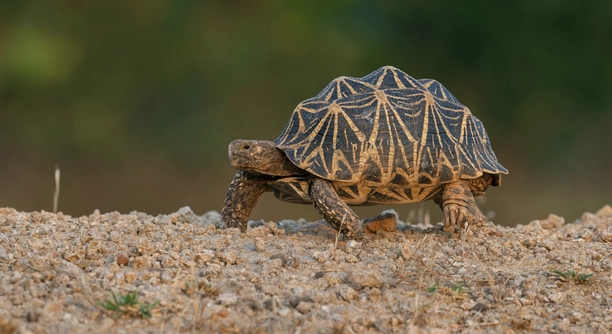
Indian Star Tortoises are fascinating creatures, and as pet owners, it’s important to know what foods are safe for them. Bell peppers are a colorful and common vegetable, but are they suitable for your tortoise’s diet?
Indian Star Tortoises can eat bell peppers in moderation. These vegetables provide important vitamins, such as vitamin C, but should be offered in small amounts. Excessive consumption can lead to digestive upset, so variety is key in their diet.
Bell peppers can be a tasty and healthy treat for your tortoise when served properly. Continue reading to learn more about the best foods for their well-being and overall health.
Nutritional Benefits of Bell Peppers for Indian Star Tortoises
Bell peppers are a great source of vitamin C, which plays an important role in boosting immunity and supporting overall health in tortoises. They are also rich in antioxidants that can aid in reducing inflammation. Offering a variety of colors, such as red, yellow, and orange, provides different nutrients that contribute to a balanced diet. Additionally, bell peppers are high in water content, helping with hydration, especially in warmer environments.
However, it’s essential to ensure that these peppers are fresh and free from pesticides or harmful chemicals. Organic bell peppers are a safer choice for your tortoise. While peppers can be part of a healthy diet, remember that they should not be the main food item. Tortoises require a diverse range of foods to meet their nutritional needs.
Feeding bell peppers occasionally, alongside leafy greens and other vegetables, ensures a balanced intake of vitamins and minerals. When combined with other nutrient-rich foods, bell peppers can be a beneficial addition to your tortoise’s diet. It’s also important to cut them into manageable pieces to prevent choking hazards.
How to Safely Feed Bell Peppers to Your Tortoise
Before feeding bell peppers to your tortoise, always wash them thoroughly to remove any chemicals. Cutting the peppers into smaller, manageable pieces reduces the risk of choking and ensures easier digestion. Avoid giving the seeds to your tortoise, as they may cause discomfort or digestive issues.
Moderation is key when introducing bell peppers into their diet. It’s best to mix them with other vegetables like kale, dandelion greens, or hibiscus leaves to create a well-rounded meal. This will also keep your tortoise from getting bored with repetitive meals and ensure they get a variety of nutrients.
While bell peppers can be beneficial, avoid overfeeding them. Too much pepper can lead to stomach upset or imbalanced nutrition. A few small pieces a couple of times a week is sufficient to keep your tortoise happy and healthy.
Potential Risks of Overfeeding Bell Peppers
Bell peppers, though nutritious, should not be overfed to Indian Star Tortoises. Overconsumption can lead to digestive problems, such as diarrhea or bloating. Their high water content can also cause an imbalance in the tortoise’s diet, reducing the intake of more crucial nutrients like fiber and calcium.
The high water content in bell peppers can disrupt the tortoise’s digestive system if fed excessively. Additionally, bell peppers are not high in fiber, which is essential for healthy digestion. A diet too rich in watery vegetables can prevent tortoises from absorbing enough nutrients from fiber-rich foods, leading to potential malnutrition over time.
An imbalanced diet may cause long-term health issues, such as shell deformities or weakened bones, which is why it’s crucial to provide a varied diet. Bell peppers should only be offered occasionally as part of a balanced feeding routine.
How Often Should Bell Peppers Be Given?
Bell peppers should be treated as an occasional treat, not a regular part of the daily diet. Offering bell peppers once or twice a week, along with other vegetables and leafy greens, is a safe practice. This ensures your tortoise gets the vitamins without overloading on water content.
Feeding bell peppers more than once or twice a week may increase the risk of digestive upset and an imbalanced diet. Remember that tortoises thrive on a diet of leafy greens, such as dandelion greens or collard greens, along with other fibrous vegetables. Providing these alongside bell peppers will ensure your pet gets a well-rounded intake of nutrients.
Preparing Bell Peppers for Indian Star Tortoises
When preparing bell peppers for your tortoise, ensure they are fresh and free from pesticides. Cut the peppers into small, bite-sized pieces to prevent choking. You can also remove the seeds, which could pose a risk for digestive issues.
Removing the seeds is important because they can cause discomfort or even blockages in the digestive tract. Always wash the peppers thoroughly before cutting them into manageable pieces. Make sure the pieces are small enough for your tortoise to eat easily without straining. This way, you’ll reduce any risk of choking or digestive problems.
Alternatives to Bell Peppers for Tortoise Diets
While bell peppers are a good source of nutrition, there are plenty of other options to vary your tortoise’s diet. Vegetables like kale, dandelion greens, and hibiscus flowers are great alternatives that also provide essential vitamins and fiber. These vegetables can complement a tortoise’s diet by offering different nutrients.
These vegetables should be offered alongside other foods to ensure a balanced intake. Kale, for example, is high in calcium, which is vital for shell and bone health. Dandelion greens provide a natural source of fiber that supports digestion. Variety is crucial for maintaining a healthy and happy tortoise.
FAQ
Can bell peppers be a staple food for Indian Star Tortoises?
No, bell peppers should not be a staple food for Indian Star Tortoises. While they offer some nutritional value, they are not high in fiber, which is essential for proper digestion. Instead, bell peppers should be used as an occasional treat, not a primary food source. It’s important to provide a variety of leafy greens and other vegetables to ensure a balanced diet for your tortoise.
How much bell pepper can I feed my tortoise?
You should feed bell peppers in moderation. A small piece or two, once or twice a week, is sufficient. Overfeeding can lead to digestive issues like diarrhea or bloating. Always combine bell peppers with other vegetables like dandelion greens, collard greens, and hibiscus to maintain variety in their diet.
Are red, yellow, and green bell peppers equally good for tortoises?
Yes, all bell peppers—red, yellow, and green—can be given to your tortoise. However, red bell peppers have higher levels of vitamin C compared to green ones, making them a slightly better option. The different colors provide a variety of nutrients, so offering a mix can be beneficial.
Can bell peppers cause any health issues for my tortoise?
If fed in excess, bell peppers can cause digestive problems such as diarrhea or bloating. The high water content in bell peppers can upset the tortoise’s digestive system when consumed in large amounts. Additionally, an imbalanced diet lacking in fiber could lead to long-term health issues such as shell deformities or weakened bones.
Is it safe to feed bell pepper seeds to Indian Star Tortoises?
It is best to remove the seeds from bell peppers before offering them to your tortoise. While the seeds themselves are not toxic, they may pose a choking hazard or cause digestive discomfort. Removing the seeds helps prevent these risks and ensures your tortoise can enjoy the pepper safely.
How do I prepare bell peppers for my tortoise?
To prepare bell peppers, first wash them thoroughly to remove any pesticides or chemicals. Then, cut the pepper into small, bite-sized pieces. Make sure to remove the seeds and any stems, as these parts can be tough for your tortoise to digest. Cutting them into smaller pieces reduces choking hazards and makes it easier for your tortoise to eat.
Can I feed my tortoise bell peppers every day?
No, bell peppers should not be fed every day. While they can be a healthy treat, they should be part of a varied diet. Offer bell peppers once or twice a week, and complement them with other vegetables like leafy greens, cucumbers, and squash. A balanced diet will help maintain your tortoise’s health.
Should I feed my tortoise bell peppers with the skin on?
Yes, the skin of bell peppers is safe for your tortoise to eat. It is packed with nutrients and fiber that can benefit their health. However, make sure to wash the skin thoroughly to remove any chemicals or pesticides. As long as the bell pepper is fresh and clean, the skin can be left on.
Can bell peppers help with hydration for my tortoise?
Bell peppers contain a high amount of water, which can help hydrate your tortoise, especially in warmer climates or during hot weather. However, water-rich vegetables should not replace regular access to fresh drinking water. Bell peppers can be a good supplement to hydration, but always ensure clean water is available for your tortoise.
Can I feed bell peppers to baby Indian Star Tortoises?
Yes, you can feed bell peppers to baby tortoises, but in very small amounts. Baby tortoises have sensitive digestive systems, so it’s important to be cautious when introducing new foods. Start with tiny pieces and observe their reaction. As with adult tortoises, bell peppers should be offered in moderation and alongside other suitable vegetables.
Are there any foods I should avoid feeding my tortoise along with bell peppers?
Certain foods should be avoided when feeding your tortoise bell peppers. Do not feed them high-oxalate foods, such as spinach, as this can interfere with calcium absorption. Avoid feeding your tortoise fruits high in sugar like citrus or grapes, as these can upset their digestive system. Stick to a diet rich in fiber and low in high-water content vegetables for the best results.
Final Thoughts
Bell peppers can be a healthy addition to an Indian Star Tortoise’s diet when offered in moderation. They provide important nutrients like vitamin C, which can support overall health. However, they should not be fed too often due to their high water content and lack of fiber. Consuming too much bell pepper can lead to digestive issues and upset the balance of essential nutrients in the tortoise’s diet.
To ensure your tortoise’s health, it’s important to offer a variety of vegetables, focusing on leafy greens and other high-fiber options. Bell peppers can serve as an occasional treat, but they should not replace the more nutritious, fibrous foods that your tortoise requires. A balanced diet will keep your tortoise healthy and support proper shell growth and bone development.
Ultimately, feeding your tortoise the right foods in the right amounts is key to their long-term well-being. Keep an eye on their diet and make adjustments as needed. While bell peppers can be beneficial, it’s crucial to avoid overfeeding them. By offering a diverse range of vegetables and ensuring proper hydration, your tortoise can thrive for many years.

Hello,
If you enjoy the content that we create, please consider saying a "Thank You!" by leaving a tip.
Every little bit helps us continue crafting quality advice that supports the health, happiness, and well-being of pets around the world, for pets of all shapes, sizes, and species.
We really appreciate the kindness and support that you show us!