
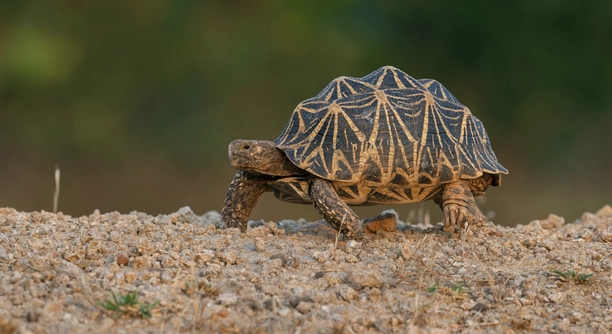
Indian Star Tortoises are fascinating pets, but it’s common to notice them burying themselves under the substrate. While this behavior may seem unusual or concerning, there are a few potential reasons behind it that can help ease your worries.
The main reason your Indian Star Tortoise is burying itself is likely due to instinctive behaviors related to seeking warmth, safety, or humidity. Tortoises may bury themselves to regulate their body temperature, feel secure, or find the right moisture levels in their environment.
This behavior may indicate an issue with habitat conditions or an attempt to create a more suitable environment. Understanding these behaviors will help you provide the best care for your tortoise’s well-being.
Common Reasons for Burying Behavior
Indian Star Tortoises bury themselves for various reasons. One of the most common is a natural instinct to find a safe, quiet space. In the wild, tortoises often hide under soil or vegetation to avoid predators. This behavior is sometimes carried over in captivity. Another reason for burying could be the search for better humidity levels. If the substrate is too dry, your tortoise may dig to find a more comfortable, moist spot. Additionally, tortoises may burrow if they feel stressed or threatened. Changes in their environment or an unfamiliar routine can lead them to seek refuge beneath the substrate. Lastly, your tortoise may bury itself to regulate body temperature. The buried area might be cooler or warmer depending on its needs.
While the idea of your tortoise hiding might seem concerning, it’s a fairly common response. However, if your tortoise is constantly buried, there could be an underlying issue with their habitat.
Regular monitoring of temperature, humidity, and overall environment is essential. Ensuring the right conditions can minimize unwanted behavior, keeping your tortoise happy and healthy. If you find your tortoise hiding too frequently, it’s a good idea to check for any changes in their surroundings or routine. A small adjustment might be all it takes to get your tortoise back to its usual self.
How to Assess Your Tortoise’s Habitat
If your tortoise is burying itself too much, it’s worth considering whether the habitat is appropriate. Tortoises require a balanced mix of warmth, humidity, and space. Ensure there’s enough room for your tortoise to move around freely.
A temperature gradient is crucial for your tortoise to regulate its body heat. A basking spot should be around 90-95°F, while cooler areas should be between 75-80°F. If these conditions aren’t met, your tortoise might bury itself in search of warmth or comfort. Humidity is another important factor. A dry environment can cause stress or dehydration, prompting your tortoise to dig for moisture. Keep the substrate at the correct humidity levels by misting regularly and providing a shallow water dish.
Tortoises also need hiding spots, not only to feel safe but also to escape bright lights or direct heat. If your pet feels exposed, it may instinctively dig to create a more comfortable hiding space. Adding hides like cardboard boxes or plants can provide this security. Finally, make sure the substrate is deep enough for digging. Shallow bedding won’t satisfy your tortoise’s need to burrow.
Temperature and Humidity
If your tortoise’s habitat lacks the right temperature or humidity, it may dig to find comfort. Make sure the hot spot is between 90-95°F, while the cooler area should remain around 75-80°F. Humidity should also be maintained, ideally between 50-70%.
Without a proper gradient, your tortoise may not feel comfortable enough to stay in one spot. Too hot or too cold environments can cause them to instinctively dig in search of a more favorable location. A proper basking area is essential for your tortoise’s well-being. Use a heat lamp or ceramic heater to maintain warmth, and ensure your enclosure allows for a cooler area where they can retreat when needed. Adding humidity through a misting system or a shallow water dish will also help your tortoise regulate moisture levels.
Be mindful of your tortoise’s behavior when you notice them burrowing frequently. If they’re always digging for cooler or warmer areas, your setup might not be providing the right environmental balance. Adjust the temperatures and humidity accordingly and check if your tortoise’s behavior improves.
Stress and Anxiety
Stress can lead to your tortoise hiding or digging excessively. Sudden changes in their environment, like moving to a new tank or adding new pets, can cause anxiety.
Tortoises are creatures of habit, and sudden disruptions can overwhelm them. Ensure their environment remains stable, and avoid frequent handling, which can also cause stress. If your tortoise feels unsafe or threatened, it might bury itself to feel more secure. A stable, quiet environment with plenty of hiding spots will help keep your tortoise relaxed and comfortable.
Introducing a new companion or changing their tank setup too often might make your tortoise feel insecure. Providing a consistent routine and minimizing disruptions will help prevent unnecessary stress and help your tortoise thrive.
Substrate Choice
The type of substrate used in the enclosure can influence your tortoise’s digging behavior. Some substrates are more suitable for burrowing than others.
If the substrate is too coarse or too thin, your tortoise might struggle to find comfort. Opt for materials like coconut coir, organic soil, or cypress mulch that are deep enough for digging. These allow your tortoise to burrow naturally and maintain humidity. Make sure the substrate is clean and free from chemicals, as harsh materials can cause stress or health issues.
Health Issues
Sometimes, burrowing can be linked to health problems like dehydration or an infection. If your tortoise is burrowing excessively, check for any signs of illness.
Dehydration can cause your tortoise to dig in search of moisture. Ensure that your tortoise always has access to fresh water. If your tortoise’s behavior continues, it may be worth visiting a vet to rule out any underlying health concerns.
FAQ
Why is my Indian Star Tortoise always burying itself?
Your tortoise may be burying itself to regulate its temperature or humidity. It’s also a natural instinct for them to hide in a safe, secure environment. If they’re stressed or feel threatened, they may dig to find a more comfortable spot. Sometimes, it can simply be a way for them to feel more secure in their surroundings.
Can I stop my tortoise from burying itself?
It’s not necessarily harmful, but if it seems excessive, adjusting their environment might help. Check the temperature and humidity levels to make sure they’re within the proper range. Providing hides or creating a more secure space might reduce the urge to bury. Make sure they have a consistent routine and try not to disrupt their environment too often.
Is it normal for my tortoise to bury itself during the day?
Yes, it’s normal. Tortoises are crepuscular or nocturnal animals, meaning they are naturally more active during dawn and dusk. During the day, they might bury themselves to rest or regulate their body temperature. If they are excessively digging or hiding throughout the day, check the conditions in their habitat.
How can I tell if my tortoise is stressed?
Common signs of stress include burrowing excessively, not eating, pacing, or displaying unusual behavior. Stress can be caused by environmental changes, improper habitat conditions, or too much handling. If you notice your tortoise is hiding more than usual or seems lethargic, you may need to reassess their living conditions and routine.
Does temperature affect my tortoise’s burrowing behavior?
Yes, temperature can influence your tortoise’s desire to bury itself. Tortoises often dig to find a cooler or warmer spot depending on their needs. If your habitat is too hot or too cold, your tortoise may instinctively bury itself in search of better conditions. Ensure that your tank has a temperature gradient to allow your tortoise to regulate its body heat properly.
Can my tortoise be burying itself due to illness?
Yes, excessive burrowing can sometimes be a sign of health issues, such as dehydration, infections, or gastrointestinal problems. If your tortoise is burying itself more than usual and shows other signs of distress, like loss of appetite, lethargy, or abnormal behavior, it’s best to take them to a vet for an examination.
How often should I change the substrate in my tortoise’s enclosure?
You should change the substrate every 2-4 weeks, depending on the material used and how often your tortoise goes to the bathroom. A clean, fresh substrate will help maintain the humidity levels and prevent the growth of harmful bacteria. If your tortoise buries itself a lot, make sure the substrate is deep enough for them to dig comfortably.
Should I add water to the substrate for better humidity?
Yes, adding water can help maintain humidity levels in your tortoise’s enclosure. If the substrate feels dry, lightly mist it to increase moisture. Ensure the humidity level stays between 50-70%. Avoid making it too wet, as excessive moisture can lead to mold growth and health problems.
How deep should the substrate be for my tortoise to bury itself?
The substrate should be deep enough for your tortoise to dig comfortably, generally around 4-6 inches. Tortoises like to burrow, so providing sufficient depth will allow them to dig and feel secure. A shallow substrate may cause frustration and prevent natural behavior.
Is my tortoise being aggressive if it buries itself?
No, burying itself is not a sign of aggression. It’s simply a natural behavior for them to feel safe, regulate body temperature, and manage humidity. If your tortoise is burying itself, it’s not trying to be aggressive—it’s just acting on instinct. However, if they become aggressive toward you or others, it could indicate stress.
Can I create a hiding spot for my tortoise to stop it from burying itself?
Yes, adding a hiding spot can help your tortoise feel secure without constantly burying itself. Use materials like plants, rocks, or cardboard boxes to create a comfortable, safe place for your tortoise to retreat. This will give them an option to hide without having to dig in the substrate.
Will my tortoise stop burying itself once it settles in its new home?
Over time, your tortoise may become more accustomed to its environment and stop burying itself as often. However, if the conditions of the enclosure aren’t ideal, your tortoise might continue to seek comfort by burying itself. It’s important to make sure the habitat remains stable and meets your tortoise’s needs.
How can I make sure my tortoise has a comfortable environment?
Make sure the enclosure is the right size, with proper temperature gradients, humidity levels, and hiding spots. The substrate should be deep enough for burrowing. Regularly check the tank’s temperature, humidity, and cleanliness to ensure your tortoise has a comfortable space. Keep their routine stable, avoiding sudden changes.
Burying is a natural and common behavior for Indian Star Tortoises. It’s something they do to feel secure, maintain their temperature, or find moisture. While it may seem unusual at first, it’s usually not a cause for concern. Tortoises in the wild often dig or burrow to escape predators or to find the perfect spot to regulate their body temperature. In captivity, this instinct can be triggered by various environmental factors. The most important thing is to assess the habitat and ensure it meets their needs.
If you notice your tortoise burying itself more frequently, check the conditions in its enclosure. Temperature and humidity play a big role in your tortoise’s comfort. Too much heat or dryness can cause them to dig in search of a cooler or more humid space. On the other hand, a too-cold or too-wet environment can also make your tortoise feel uncomfortable, leading it to hide. You can provide a proper balance by setting up a temperature gradient and maintaining humidity levels between 50-70%. Adding a shallow water dish and misting the substrate can also help regulate moisture levels. These simple adjustments can often reduce unnecessary burrowing behavior.
Stress is another factor that can cause excessive burying. Tortoises thrive in stable environments, so changes in their surroundings or routine can cause them to feel anxious or threatened. A sudden move to a new tank, new pets, or even more frequent handling can make your tortoise feel insecure. To reduce stress, create a consistent and calm environment. Provide plenty of hiding spots and allow your tortoise to have quiet, undisturbed time. If the behavior continues despite correcting the habitat, it’s a good idea to consult a vet. They can check if any health issues are contributing to your tortoise’s actions.

Hello,
If you enjoy the content that we create, please consider saying a "Thank You!" by leaving a tip.
Every little bit helps us continue crafting quality advice that supports the health, happiness, and well-being of pets around the world, for pets of all shapes, sizes, and species.
We really appreciate the kindness and support that you show us!