
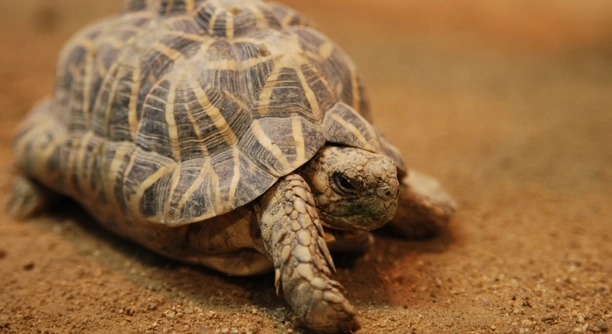
Indian Star Tortoises are unique and fascinating creatures. However, they are also very sensitive to their environment. Keeping them healthy means protecting them from harmful toxins that could jeopardize their well-being.
There are seven common toxins that can harm Indian Star Tortoises. These include household chemicals, certain plants, and food items that are toxic to them. Avoiding these dangers is essential for the health and safety of your tortoise.
By understanding these toxins, you can prevent unnecessary risks and provide a safer environment for your tortoise. Keep reading to discover which substances to avoid and how to ensure your pet’s well-being.
Household Cleaning Products
Many cleaning products used around the house contain harmful chemicals that can seriously affect the health of your Indian Star Tortoise. Items like bleach, ammonia, and other harsh cleaners should be kept far away from your tortoise’s living area. Even fumes from these products can be dangerous. Tortoises have a sensitive respiratory system, so they can easily be harmed by inhaling chemicals. It’s important to use natural or non-toxic cleaners to avoid these risks. When cleaning the space around your tortoise, always make sure the area is thoroughly aired out before returning them to it.
Safe cleaning habits will protect your tortoise from exposure to dangerous substances. Consider using vinegar, baking soda, or other natural cleaners instead. These options are safer and just as effective. Always read labels carefully to ensure the product is non-toxic.
When cleaning your tortoise’s enclosure or any surfaces they may come into contact with, make sure to allow proper ventilation. This will help clear out any lingering chemicals or odors. Your tortoise’s health should always come first, so creating a safe and clean environment is key.
Certain Plants
Some common plants can be very toxic to your Indian Star Tortoise. Plants like oleander, daffodils, and foxglove should be kept far from their habitat. If ingested, they can cause severe illness or even death.
It’s essential to research which plants are safe for tortoises. Avoid planting anything you’re unsure of in or around their enclosure. Stick to known safe plants like dandelion, clover, or grass.
The best way to protect your tortoise is by familiarizing yourself with the plants in your home and garden. If you have any potentially dangerous plants nearby, remove them immediately. Tortoises often munch on plants, so preventing access to toxic ones will keep them safe from harm.
Pesticides and Insecticides
Pesticides are commonly used to control pests in gardens, but they can be deadly to Indian Star Tortoises. These chemicals are designed to kill insects, and they can also harm reptiles when ingested or absorbed through their skin.
If you use pesticides in your garden, make sure your tortoise is not able to access treated plants. Always read the labels of any products you’re using, and if possible, switch to organic or non-toxic options. The risk of poisoning is high if your tortoise eats contaminated plants or comes into contact with treated areas.
It’s also important to regularly check the areas where your tortoise roams. Even trace amounts of pesticides can harm their health over time. If you’re unsure about the safety of a product, it’s better to err on the side of caution and avoid using it in your tortoise’s environment.
Toxic Foods
Certain foods may seem harmless to us, but they can be very dangerous for your Indian Star Tortoise. For example, avocado, rhubarb, and iceberg lettuce are all toxic to tortoises. These foods can cause digestive issues or even organ failure.
Avoid feeding your tortoise any human food unless you’re absolutely certain it’s safe. Instead, stick to a diet of leafy greens, grasses, and edible flowers that are safe for tortoises. Proper nutrition is key to their long-term health. Be sure to also wash any vegetables thoroughly to remove harmful chemicals that may have been sprayed on them.
Feeding your tortoise a balanced diet ensures they receive the proper nutrients. Understanding what foods are toxic helps prevent accidental poisoning. Always double-check before offering anything new. When in doubt, consult a vet or a reptile specialist to confirm the safety of a particular food.
Heavy Metals
Heavy metals like lead, mercury, and zinc are toxic to Indian Star Tortoises. These substances can be found in old paints, contaminated soil, or certain household items. Even small amounts of heavy metals can cause long-term health problems.
If you have older furniture or décor, check for peeling paint or rust, as these could release harmful metals into the environment. Tortoises often nibble on their surroundings, so keeping their habitat free of such dangers is essential. If possible, test the soil for contaminants before allowing your tortoise to roam freely.
Tortoises are especially vulnerable to heavy metals because they may ingest particles while foraging or from their environment. Over time, the accumulation of these toxins can lead to serious health issues, affecting their kidneys, liver, and nervous system. Being aware of the risks and removing potential sources is the best way to protect your tortoise from these hidden dangers.
Cigarette Smoke
Cigarette smoke is harmful to all animals, including Indian Star Tortoises. The toxins in smoke can negatively impact their respiratory system, causing long-term damage.
If you smoke, it’s crucial to keep your tortoise in a smoke-free environment. The toxic chemicals in cigarette smoke can also linger on surfaces, creating a harmful habitat. Consider smoking outside and away from where your tortoise resides.
Prolonged exposure to second-hand smoke can cause respiratory distress and other health issues in tortoises. Keeping your pet in a clean and fresh environment will ensure their respiratory system remains healthy. Always ventilate the space where your tortoise lives to prevent the buildup of any harmful substances in the air.
FAQ
What are the signs of poisoning in an Indian Star Tortoise?
If your Indian Star Tortoise has been exposed to toxins, symptoms can vary depending on the substance. Common signs of poisoning include lethargy, loss of appetite, difficulty breathing, or changes in behavior. In severe cases, your tortoise might exhibit trembling or seizures. If you notice any of these symptoms, it is essential to seek veterinary care immediately. Tortoises are very good at hiding discomfort, so be observant of subtle changes in their usual behavior.
Can Indian Star Tortoises eat fruit?
Yes, Indian Star Tortoises can eat some fruits, but it should be given in moderation. Fruits like apples, strawberries, and melons can be a healthy occasional treat, but they should not make up the majority of their diet. Tortoises need a high-fiber diet that primarily consists of grasses and leafy greens. Fruits are often high in sugar, which can lead to digestive issues if fed too often. Avoid offering citrus fruits, as they can cause stomach upset.
Are there any plants that are safe for my tortoise?
Yes, many plants are safe for your tortoise. Edible plants like dandelion, clover, and plantain are good options. You can also feed your tortoise certain types of lettuce (such as Romaine), as long as it’s free from pesticides. Always double-check that a plant is safe before feeding it to your tortoise. Avoid giving them ornamental plants unless you’re sure they are non-toxic. Tortoises like to nibble on a variety of plants, so providing a variety of safe options is ideal.
How can I ensure my tortoise’s environment is safe from toxins?
To protect your Indian Star Tortoise, regularly inspect its enclosure for potential hazards. Avoid using harmful chemicals or pesticides near their habitat. Opt for natural, non-toxic cleaning products and ensure the area is well-ventilated. When using plants, make sure they are non-toxic and free from pesticides. Regularly check for signs of wear or exposure to harmful materials, especially in older enclosures. Keeping your tortoise’s living space clean and toxin-free is essential for its overall health.
Is it safe to handle my Indian Star Tortoise?
Handling your Indian Star Tortoise occasionally is fine, but it should be done gently and in a calm environment. Excessive handling can stress out your tortoise, as they are not naturally social animals. When handling, ensure you support their body fully and avoid picking them up by the legs or shell. Always wash your hands before and after handling to avoid transferring any toxins. Stress and injury from improper handling can lead to health problems, so it’s best to keep handling to a minimum.
Can Indian Star Tortoises live outdoors?
Indian Star Tortoises can live outdoors in a safe, controlled environment. If you live in a warm climate, providing an outdoor enclosure with a shaded area and access to water is ideal. However, it’s important to ensure that the area is free of toxic plants, chemicals, and predators. The outdoor space should be secure, as tortoises can escape if the enclosure is not properly designed. Ensure your tortoise has access to a shelter to protect it from extreme weather.
What type of lighting does my tortoise need?
Indian Star Tortoises need access to UVB light to help them synthesize vitamin D3, which is essential for calcium absorption. You can provide this by using a specialized UVB light bulb in their enclosure. It’s important to also offer a basking spot where the tortoise can warm up under the light. Without proper lighting, your tortoise could develop metabolic bone disease or other health issues. Make sure to replace the bulbs regularly, as their UVB output decreases over time.
What should I do if my tortoise isn’t eating?
If your tortoise stops eating, it could be a sign of stress, illness, or an environmental issue. Check for signs of illness, such as lethargy or abnormal behavior. Ensure that the temperature in their enclosure is correct and that they have access to fresh, safe food. Stress from excessive handling or changes in their environment can also cause a loss of appetite. If the problem persists for more than a few days, it’s best to consult a vet experienced with reptiles to rule out any underlying health conditions.
How often should I feed my Indian Star Tortoise?
Indian Star Tortoises should be fed daily, but the amount will depend on their age and size. Young tortoises require more food and will eat larger portions of greens and grasses. As they mature, their food intake should be adjusted. An adult Indian Star Tortoise generally eats once a day, but you can offer smaller meals or grazing options throughout the day. Always ensure they have a balanced diet with plenty of fiber, and avoid overfeeding them, especially with high-sugar fruits.
Can I use sand in my tortoise’s enclosure?
Using sand in an enclosure is generally not recommended unless you take certain precautions. Sand can be harmful if ingested in large amounts, as it may cause impaction, leading to serious digestive problems. However, some owners choose to use sand in small portions mixed with other safe substrates like grass or leaves. If you do use sand, ensure your tortoise doesn’t consume it by offering a varied diet with enough fiber. It’s safer to stick with substrates like organic soil, coconut coir, or grass hay for a more natural environment.
Final Thoughts
Taking care of an Indian Star Tortoise requires attention to detail and a commitment to creating a safe environment for them. These creatures are delicate, and keeping them away from harmful toxins is essential to their well-being. As a pet owner, it’s your responsibility to be aware of the common dangers they face, such as household chemicals, toxic plants, and harmful foods. By making small adjustments to your environment and habits, you can ensure your tortoise lives a healthy and safe life.
Paying attention to the food you provide, the plants around their enclosure, and the cleanliness of their living space is crucial. Avoid exposing your tortoise to harmful chemicals, including pesticides and household cleaners. When in doubt, opt for non-toxic alternatives. It’s also important to remember that not all foods that are safe for humans are safe for tortoises. Stick to a diet based on leafy greens, grasses, and edible flowers, while limiting fruits and avoiding any toxic plants. Familiarizing yourself with the common dangers in your environment will help you prevent accidents and give your tortoise a long, happy life.
Lastly, the health of your Indian Star Tortoise is also influenced by factors like temperature, lighting, and ventilation in their habitat. Ensuring they have access to UVB light and proper heat is vital to their digestion and overall well-being. While they can thrive in an outdoor setting, make sure their enclosure is secure and free from any potential toxins. Regular checks of their environment and diet will give you peace of mind knowing that you are providing the best care possible. By taking a few simple precautions, you can create an ideal home for your tortoise.

Hello,
If you enjoy the content that we create, please consider saying a "Thank You!" by leaving a tip.
Every little bit helps us continue crafting quality advice that supports the health, happiness, and well-being of pets around the world, for pets of all shapes, sizes, and species.
We really appreciate the kindness and support that you show us!