
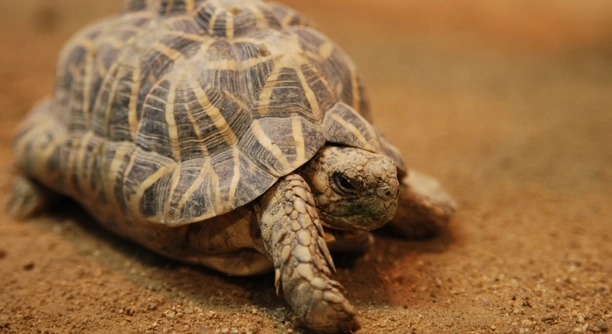
If you’re a proud owner of an Indian Star Tortoise, you may be wondering how to care for its nails. Proper nail care is an essential part of maintaining your tortoise’s health and comfort.
To safely trim your Indian Star Tortoise’s nails, you should use specialized tools like reptile nail clippers. Trim carefully, avoiding the quick, which can cause pain and bleeding. It’s important to handle your tortoise gently during the process.
Caring for your tortoise’s nails can ensure they remain healthy and comfortable. Proper trimming will help avoid injury and promote overall well-being.
Why Nail Trimming is Important for Your Indian Star Tortoise
Indian Star Tortoises, like many reptiles, have continuously growing nails that need regular attention. Overgrown nails can cause discomfort, injury, or even difficulty moving around. Trimming nails helps prevent them from becoming too long or jagged, which can lead to painful issues like nail breakage. Additionally, it can help maintain the tortoise’s natural posture and prevent nails from getting caught on surfaces.
Neglecting nail care can lead to more serious complications. If your tortoise’s nails grow too long, they may start to curl inward, causing pressure on their feet. This can lead to infection or difficulty walking. Regular trimming ensures that your tortoise can move freely and comfortably, which is essential for its overall health.
By establishing a nail care routine, you can help your tortoise stay active and healthy. This simple step will keep your pet’s feet in good condition and allow them to explore their environment without restrictions.
The Best Tools for the Job
Using the right tools is crucial to avoid harming your tortoise. Nail clippers made specifically for reptiles or small animals are a good choice. These tools are designed to trim nails without causing pain.
When trimming, it’s essential to have a steady hand. If you’re unsure, ask a vet or pet care expert for guidance before attempting it yourself.
How to Identify When Your Tortoise’s Nails Need Trimming
Tortoise nails are easy to overlook, but regular checks are important. If you notice your tortoise’s nails are starting to curl or look too long, it’s time for a trim. Overgrown nails can interfere with movement and even cause injury.
You can spot overgrown nails by observing how your tortoise walks. If they are having trouble walking or their nails are visibly bending, it’s a sign that they need attention. Regular nail checks help prevent unnecessary discomfort. A simple way to assess the nail length is by comparing it to the rest of their foot.
Remember to look for any signs of infection or damage, like swelling or redness. If you notice any issues, it’s a good idea to consult a vet before trimming to avoid causing further harm. A healthy nail should be strong and not have cracks or signs of decay.
Steps to Safely Trim Your Tortoise’s Nails
Make sure you have the right tools before you begin. Reptile-specific nail clippers or scissors are the safest options. It’s best to start by gently holding your tortoise in your lap or on a stable surface. Have someone help hold them still if needed.
Next, examine the nail carefully. Avoid cutting into the quick (the pink part inside the nail), as this can cause bleeding and pain. Trim small amounts at a time, taking care not to trim too much. If you cut into the quick, stop and apply some styptic powder to stop the bleeding.
After the nails are trimmed, check for any irregularities. If any nail is too uneven or painful, it’s worth visiting the vet for further care. Regular trimming will keep your tortoise’s nails in healthy condition and improve its mobility.
Common Mistakes to Avoid When Trimming Nails
One of the most common mistakes is trimming too much at once. Cutting too far into the nail can hurt your tortoise and cause bleeding. Always trim little by little to avoid this risk.
Another mistake is not using the right tools. Human nail clippers or dull scissors can cause discomfort or even injury to your tortoise. Always use sharp, reptile-specific clippers to ensure a clean cut.
What to Do if You Cut the Quick
If you accidentally cut the quick, it’s important to stay calm. The bleeding can be alarming, but it can usually be stopped quickly. Apply some styptic powder or cornstarch to the wound, pressing gently to help stop the bleeding.
Once the bleeding stops, keep an eye on the nail for any signs of infection, like redness or swelling. If the issue persists or if you’re concerned, don’t hesitate to contact a vet for further care.
FAQ
How often should I trim my Indian Star Tortoise’s nails?
The frequency of nail trimming depends on your tortoise’s activity levels and how quickly their nails grow. Generally, every 4-6 weeks is a good guideline. If you notice the nails getting too long, it’s time to trim them. Be sure to regularly check for overgrowth, especially if your tortoise spends a lot of time indoors.
Can I use regular human nail clippers to trim my tortoise’s nails?
It’s best to avoid using human nail clippers for your tortoise. These clippers are not designed for the tough, hard nails of reptiles. Instead, use reptile-specific nail clippers or small animal nail trimmers. These tools are sharp enough to handle the nail without crushing it, ensuring a clean cut.
What happens if I don’t trim my tortoise’s nails?
If left unchecked, your tortoise’s nails can become overgrown, causing discomfort or even injury. Overgrown nails can curl under and press against the tortoise’s feet, leading to issues with walking. In some cases, nails can become snagged on surfaces, causing pain or breaking. Regular trimming helps to prevent these problems and maintain your tortoise’s overall health.
Is it painful for my tortoise to get its nails trimmed?
If done correctly, trimming a tortoise’s nails should not be painful. The key is to avoid cutting the quick, the sensitive part inside the nail. If you cut too far into the nail, it can cause bleeding and pain. Trim only small amounts at a time, taking care not to harm your tortoise.
What should I do if I accidentally cut the quick?
If you accidentally cut the quick, stay calm. The quick will bleed, but you can stop the bleeding by applying styptic powder or cornstarch. Hold the powder on the cut for a few moments until the bleeding stops. If bleeding continues or seems excessive, seek help from a veterinarian.
Can I trim my tortoise’s nails while it’s awake?
Yes, you can trim your tortoise’s nails while it’s awake, but it may be easier if the tortoise is calm. Handle it gently and try to keep it still. You can also wrap your tortoise in a towel to help keep it secure during the trimming process. If your tortoise is particularly stressed, try trimming its nails in short sessions.
How do I know if I’m trimming the right amount off?
When trimming, aim to cut small, controlled portions of the nail. Avoid cutting into the pinkish area inside the nail, known as the quick. Instead, focus on the clear, hard tip of the nail. If you’re unsure, it’s better to trim a little at a time rather than risk cutting too much.
Can I trim my tortoise’s nails if it has dry or cracked nails?
If your tortoise’s nails are dry or cracked, be cautious while trimming. Cracked nails can be more vulnerable, so it’s important to avoid causing further damage. You can gently trim away any jagged edges, but if the cracks are severe, it’s best to consult a vet for advice on how to handle the situation.
What should I do if my tortoise won’t stay still during nail trimming?
If your tortoise is moving around too much, it can make trimming more difficult. Try wrapping it gently in a towel, leaving its head and legs free. This will help keep it calm and secure. You can also try distracting your tortoise with food or a favorite toy to keep it relaxed during the process.
Is there an alternative to trimming my tortoise’s nails?
Regular trimming is the most effective way to manage your tortoise’s nails. However, providing a rough surface for your tortoise to walk on, such as unpolished stone or concrete, can help naturally wear down the nails. While this might reduce the need for frequent trimming, it’s still important to check the nails regularly.
Can I trim my tortoise’s nails during hibernation?
It’s not recommended to trim your tortoise’s nails during hibernation or brumation, as their body processes slow down. It’s best to wait until they’re active again to avoid unnecessary stress. If their nails are excessively long during this time, consult a vet for advice on how to handle it safely.
Final Thoughts
Trimming your Indian Star Tortoise’s nails is an important part of their overall care. Regular nail checks and trims help keep your tortoise comfortable and prevent potential health issues. By maintaining a simple routine, you can ensure that your pet can move around freely without any discomfort caused by overgrown nails. The process itself doesn’t have to be stressful for you or your tortoise if done carefully and with the right tools.
While the task may seem intimidating at first, once you get the hang of it, trimming your tortoise’s nails becomes a manageable part of their care routine. Always remember to take your time and trim small amounts to avoid cutting into the quick. If you’re ever unsure about the procedure, it’s always a good idea to consult a vet for guidance. There’s no harm in asking for help if you’re nervous about causing harm or distress to your tortoise.
In the end, ensuring that your tortoise’s nails stay at a healthy length will contribute to their well-being. Regular trimming helps prevent pain, mobility issues, and infections. By establishing a simple care routine and being consistent with it, you’ll be doing your part to keep your tortoise happy and healthy for years to come. It’s a small task that makes a big difference in your pet’s quality of life.

Hello,
If you enjoy the content that we create, please consider saying a "Thank You!" by leaving a tip.
Every little bit helps us continue crafting quality advice that supports the health, happiness, and well-being of pets around the world, for pets of all shapes, sizes, and species.
We really appreciate the kindness and support that you show us!