
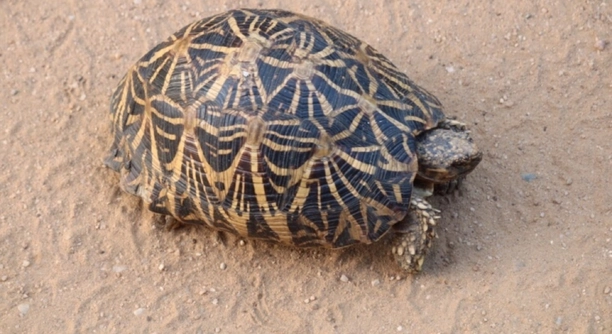
Indian star tortoises are known for their unique behaviors, and their hiding spots play an important role in their lives. However, when your tortoise avoids its favorite hiding spot, it may raise concerns for any pet owner.
There are several reasons why your Indian Star Tortoise might avoid its favorite hiding spot. Stress, environmental changes, or health issues can cause this behavior. Ensuring a comfortable habitat, proper lighting, and a stress-free environment may resolve the issue.
Understanding these factors will help ensure your tortoise’s well-being and make it easier to identify what might be causing this sudden behavior change.
Stress and Anxiety in Your Tortoise
Stress can be a major factor in why your Indian Star Tortoise is avoiding its favorite hiding spot. If there have been any recent changes in its environment, such as new pets, loud noises, or even a change in routine, it could be affecting the tortoise’s comfort level. Tortoises are sensitive to disturbances, and their need for peace and quiet is essential for their well-being. A stressed tortoise may seek a different hiding place or, in some cases, stop using its favorite spot altogether. Make sure the enclosure is a calm and quiet environment, free from sudden loud noises or movements that could unsettle your pet.
Stress is not always easy to spot, but it’s important to watch for any signs. If your tortoise is avoiding its usual hideaway, it’s a good idea to assess the environment and eliminate any obvious stress factors.
If you suspect stress is the cause, try adjusting the surroundings. Reducing noise, avoiding sudden changes, and giving your tortoise some alone time can help restore its sense of security. This approach can make a big difference in how your tortoise behaves and helps build trust again.
Health Concerns
Sometimes, your tortoise may avoid its hiding spot because of health-related issues. If it’s feeling unwell, it may not have the energy or motivation to use its preferred hiding area. Health problems can range from digestive issues to respiratory infections. These conditions can make a tortoise feel sluggish or uncomfortable. If you notice any signs of illness such as a lack of appetite, abnormal behavior, or lethargy, a visit to the vet is necessary to rule out health problems. Keeping track of your tortoise’s daily behavior will help you spot any early symptoms.
Proper care and monitoring are vital to ensuring your tortoise remains healthy. If it is ill, changes in behavior like avoiding a favorite hiding spot might indicate something more serious.
Changes in Habitat
If the environment has changed in any way, your tortoise may no longer feel comfortable in its usual hiding spot. Even small adjustments, like changing the position of its shelter or adding new items, can make a difference. Tortoises prefer consistency and familiarity in their environment. Any disruption could make them hesitant to use the space they once felt safe in.
To help your tortoise feel at ease again, consider restoring the habitat to its original setup. Ensure the hiding spot is in the same location, and remove any unnecessary additions that might have made the environment feel cluttered or chaotic. Consistency in the setup helps your tortoise feel secure.
You should also maintain an appropriate temperature and humidity level in the enclosure. If these have shifted, it could cause discomfort and make your tortoise avoid its hiding place. Check that the habitat’s conditions match what your tortoise needs for proper health and comfort.
Temperature and Lighting
Your tortoise’s hiding habits can be influenced by temperature and lighting. If the temperature in the enclosure is too high or too low, your tortoise may avoid its favorite spot. Tortoises are cold-blooded and rely on external heat sources to regulate their body temperature. Too much heat or not enough warmth can make them uncomfortable. Similarly, the wrong lighting could disrupt their natural circadian rhythm.
Ensure that the enclosure has a reliable heat source and that temperatures are within the recommended range for Indian Star Tortoises. Proper UVB lighting is also crucial for their health. A balanced environment with consistent light and temperature will encourage your tortoise to use its hiding spot again.
Having a designated “warm” and “cool” area within the habitat will give your tortoise the option to move around and choose a spot that best suits its needs. Providing a range of temperatures can help your tortoise regulate its body heat without feeling stressed or forced into an uncomfortable space.
Overcrowded Enclosure
An overcrowded enclosure can make your tortoise feel overwhelmed and stressed. If there are too many objects or even multiple animals sharing the space, your tortoise might avoid its hiding spot. Tortoises need room to roam and feel secure in their environment.
Consider removing unnecessary items or other pets from the habitat. Your tortoise should have ample space to move around freely, with a few key features like hiding spots, food, and water sources. Simplifying the space can make your tortoise feel more comfortable and encourage it to use its favorite spot again.
Diet and Eating Habits
A change in your tortoise’s diet can also affect its behavior. If the food you are offering doesn’t suit its taste or nutritional needs, it could cause discomfort. When a tortoise doesn’t feel well from poor diet choices, it might seek a hiding spot more often or avoid it completely.
A balanced diet with the right nutrients and variety will help keep your tortoise healthy and active. Make sure you are feeding your tortoise foods that are safe and suitable for its species, providing both fiber and calcium for bone health.
Age and Natural Behavior
As your tortoise ages, its behavior might change. Older tortoises may become less active and prefer different spots for resting or hiding. This is completely normal, but it’s important to monitor any significant changes that could point to other issues.
The needs and preferences of your tortoise can evolve with age. If your tortoise is older, it may naturally prefer a new hiding spot for comfort. Keep observing its habits to ensure it is still healthy and adjusting well to the changes in its life.
FAQ
Why is my Indian Star Tortoise suddenly avoiding its favorite hiding spot?
Your tortoise may be avoiding its hiding spot due to stress, environmental changes, or even health issues. Stress factors can include loud noises, other animals in the habitat, or a shift in routine. It’s essential to create a calm, stable environment for your tortoise, free of unnecessary disturbances. Additionally, changes in temperature, humidity, or lighting can make your tortoise feel uncomfortable. If the environment is too hot, too cold, or not providing the right lighting, your tortoise might avoid its preferred spot. Lastly, health issues such as digestive problems, lethargy, or infections could cause your tortoise to act differently.
How can I tell if my tortoise is stressed?
Signs of stress in your tortoise can include sudden changes in behavior, such as hiding more frequently, avoiding food, or becoming more aggressive. Your tortoise may also appear restless, pacing around its habitat or sitting in an odd position. Stress could be triggered by overcrowding, environmental changes, or even a new pet in the household. Look out for any visible signs like shell discoloration or changes in appetite. If these behaviors persist, it’s a good idea to reassess the habitat and make necessary adjustments.
What can I do to reduce stress in my tortoise?
To reduce stress, start by creating a calm, stable environment. Ensure the temperature and humidity levels are consistent and suitable for your Indian Star Tortoise. Avoid sudden changes in its surroundings, like moving its hiding spot or introducing new animals. Keep the habitat quiet and peaceful, minimizing loud noises or fast movements near the enclosure. Also, make sure your tortoise has enough space to roam and explore. Overcrowding can contribute to stress, so keep the habitat spacious and simple. Lastly, offer a balanced diet to keep your tortoise healthy and comfortable.
Could my tortoise be avoiding its hiding spot because it’s sick?
Yes, health issues can definitely cause your tortoise to avoid its hiding spot. If your tortoise is feeling unwell, it may become lethargic and spend more time in hiding or even avoid its usual spot altogether. Health problems, such as respiratory infections, digestive issues, or shell problems, can make your tortoise feel uncomfortable and unwilling to use its favorite spot. If you notice any signs like a lack of appetite, abnormal stool, or difficulty moving, it’s important to take your tortoise to a vet for a check-up.
What are the signs that my tortoise might be sick?
Common signs that your tortoise might be sick include loss of appetite, abnormal behavior (like becoming withdrawn or overly aggressive), swollen eyes, difficulty breathing, or abnormal movement. If your tortoise is not eating or drinking and seems unusually lethargic, it could be a sign of illness. Shell problems, such as soft spots or cracks, should also be taken seriously. Check for any abnormal discharge from the eyes, nose, or mouth, as this could indicate a respiratory issue. If any of these signs are present, a visit to the vet is necessary.
How do I know if my tortoise’s hiding spot is comfortable?
A comfortable hiding spot should be dry, well-ventilated, and offer a sense of security. It should provide enough space for your tortoise to fit in and feel safe. Tortoises tend to avoid damp or overly hot hiding spots, so ensure that the temperature and humidity are right. A simple, low-hiding spot made from natural materials like wood or stone can help your tortoise feel more secure. It’s important that the hiding spot is placed in a quiet, peaceful part of the enclosure where your tortoise can relax without being disturbed.
Can my tortoise’s diet affect its behavior?
Yes, diet can play a significant role in your tortoise’s behavior. A poor diet, lacking the right nutrients, can cause digestive problems or lethargy, which might lead your tortoise to avoid its hiding spot or become less active. Make sure your tortoise is eating a balanced diet rich in fiber, vitamins, and minerals. Offer leafy greens, fruits, and occasional protein sources, depending on the species’ dietary needs. Overfeeding or underfeeding can also contribute to stress and discomfort, so it’s essential to maintain proper feeding habits.
What should I do if I think my tortoise is sick?
If you suspect your tortoise is sick, the first step is to closely monitor its behavior and physical condition. Check for signs like loss of appetite, lethargy, unusual stool, or difficulty moving. If any of these symptoms are present, it’s time to take your tortoise to the vet for a thorough check-up. A reptile vet will be able to diagnose any underlying issues, such as infections, parasites, or other health concerns. Early detection is key to ensuring your tortoise recovers quickly and safely.
How can I make my tortoise feel more comfortable in its habitat?
To make your tortoise feel more comfortable, ensure that its habitat is spacious, clean, and properly equipped. The temperature and humidity should be within the ideal range for the species. Provide both warm and cool areas for your tortoise to regulate its body temperature. Offer a variety of hiding spots, some elevated and some on the ground, so your tortoise has options. Keep the habitat clean by regularly removing uneaten food and waste. This will help prevent stress and ensure that your tortoise feels safe in its home.
In conclusion, if your Indian Star Tortoise is avoiding its favorite hiding spot, it’s essential to consider several factors that might be influencing its behavior. Changes in its environment, stress, health problems, or even adjustments in its diet can all play a part. Tortoises are sensitive creatures that thrive in stable, comfortable conditions. Any disruptions to their routine or habitat can cause them to avoid their favorite hiding places. Observing your tortoise’s behavior and monitoring its health can help you pinpoint the cause of the issue.
Understanding your tortoise’s needs and addressing potential stress factors is a key part of providing the best care for it. If your tortoise is avoiding its usual spot, start by assessing the environment to see if any changes or disturbances have occurred. Look for signs of stress, such as changes in eating habits or unusual activity levels. Be mindful of factors like temperature, humidity, and lighting, as improper conditions can cause your tortoise discomfort. A peaceful and stable environment is essential to keeping your tortoise healthy and happy.
If you have made adjustments to the habitat and still notice changes in behavior, it may be time to consult a veterinarian. Health concerns can often go unnoticed, especially in the early stages. Your tortoise may hide more or change its habits if it’s feeling unwell. A visit to the vet can help rule out any underlying health issues and ensure your tortoise is getting the care it needs. With a little attention and understanding of your tortoise’s behavior, you can help create a space where it feels safe and comfortable once again.

Hello,
If you enjoy the content that we create, please consider saying a "Thank You!" by leaving a tip.
Every little bit helps us continue crafting quality advice that supports the health, happiness, and well-being of pets around the world, for pets of all shapes, sizes, and species.
We really appreciate the kindness and support that you show us!