
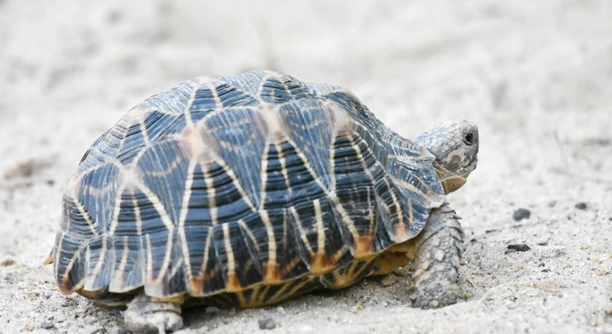
Indian star tortoises are beautiful creatures, but they face serious threats from predators. Protecting them is essential for their survival and well-being. In this article, we will discuss seven key steps to help keep them safe.
To protect Indian star tortoises from predators, focus on creating safe habitats, monitoring their environment, and providing proper care. These actions reduce the risk of attacks and promote a secure environment for these vulnerable animals.
By following these steps, you’ll help ensure the tortoises remain safe from harm while thriving in their natural habitats.
1. Create a Secure Habitat
The first step in protecting Indian star tortoises from predators is to create a secure and safe environment. A strong, well-fenced enclosure helps prevent predators from getting in. This enclosure should be made of sturdy materials like wood or metal. Make sure the fence is tall enough and buried deep in the ground to prevent animals from digging underneath. Additionally, avoid using any gaps in the structure that might allow predators to enter. The more enclosed the space, the better protected the tortoises will be.
A secure habitat minimizes the chances of attacks, providing a safer space for your tortoises. The area should be large enough for them to roam freely and for you to maintain without difficulty.
It’s also important to consider the type of predators that are common in your area. Birds, large mammals, and smaller reptiles may pose a threat. Make sure to evaluate your surroundings and adjust the enclosure accordingly. Keep an eye out for weak points and repair them quickly. The more attention you give to securing their space, the better off your tortoises will be.
2. Provide Proper Hiding Spots
Predators often target tortoises when they feel exposed. Hiding spots, such as bushes or logs, give them a place to retreat and feel safe. Adding these features to their enclosure will reduce stress and provide them with the option to hide if needed.
Tortoises are naturally shy and prefer to have areas where they can retreat. These hiding spots provide a sense of security for them and help them avoid potential threats. Adding some plants or rocks to your setup can mimic a natural environment and allow them to stay hidden.
The key is to create an environment where the tortoises can stay out of sight when they feel threatened. These hiding spots should be placed in different corners of the enclosure to give them plenty of options. Rotate or change the positions of these elements to keep the space interesting for the tortoises and to encourage them to use all available hiding spots. When they have a place to hide, they are less likely to become easy targets for predators.
3. Monitor Their Surroundings Regularly
Regularly monitoring the environment around your tortoises is essential to keeping them safe. By doing this, you can spot any new threats or changes in the area. Look for signs of predators or disturbances in the enclosure. Early detection can make a big difference.
Taking a few minutes each day to walk around their space will help you spot any potential dangers. Be vigilant about looking for predators such as stray dogs, raccoons, or birds of prey. It’s also important to check for any holes or damaged areas in the fence. If anything seems off, fix it right away.
Always watch how your tortoises respond to their environment. If they seem stressed or are hiding more than usual, it could be a sign that something has changed. It’s important to stay on top of these things to prevent any surprises. Constant vigilance helps ensure their safety in the long run.
4. Feed Them Securely
Feeding your tortoises in a safe, secure area is vital for keeping them protected from predators. Avoid feeding them in open or exposed spaces where they may become easy targets. Choose spots that are sheltered and provide a sense of security.
A covered feeding area helps minimize their exposure to predators, especially birds or larger animals. This also ensures that your tortoises are eating in peace, without the distraction of potential threats. It’s wise to set up a specific feeding zone within their habitat that’s hard for predators to reach.
When choosing the location, consider the type of predators in your area. For example, if there are larger birds nearby, an elevated or covered feeding area will keep the food safe and encourage the tortoises to eat without fear. You can use simple structures like a small roof or shelter to keep the area secure. This small investment will go a long way in reducing the risk of attacks while your tortoises are eating.
5. Keep Enclosure Clean
Maintaining a clean enclosure is an important part of protecting your tortoises from predators. A clutter-free environment makes it easier to spot threats and makes it harder for predators to sneak in. Keep the space tidy, and check for any signs of danger.
By keeping the area clean, you’ll also reduce the likelihood of pests or unwanted animals entering the space. Regularly remove any debris or leftover food that may attract predators. This will make the area less inviting to scavengers, keeping your tortoises safer.
Ensure that water sources are clean and free of potential contaminants. A dirty or stagnant water source can attract animals looking for easy access to food or water. A clean habitat is a simple but effective way to minimize potential risks.
6. Use Motion Sensors or Cameras
Installing motion sensors or cameras around the enclosure helps you track activity and catch any potential threats before they approach your tortoises. This technology allows you to monitor the area, even when you’re not physically present.
Cameras can help you identify specific predators and act quickly if necessary. Motion sensors can alert you when something is moving around the enclosure, giving you a chance to check in and assess the situation. These tools provide added peace of mind and enhance your ability to respond promptly to any risks.
In addition, these systems can help you better understand the types of predators in the area. By knowing when and where predators are most likely to appear, you can take preventive measures ahead of time. These devices help you keep a closer eye on your tortoises and ensure their safety at all times.
7. Educate Those Around You
It’s crucial that everyone who interacts with your tortoises understands how to keep them safe. Educate family members or staff on the importance of protecting them from predators and making sure the habitat stays secure.
Ensure that everyone is aware of the signs of potential danger and knows what to do if they spot a predator. This will create a collective effort to keep the tortoises safe. It’s important that your whole household works together to prevent any harm from coming to them.
FAQ
How can I tell if my tortoise is at risk from predators?
If your tortoise seems unusually stressed, hides more often, or has visible marks of injury, predators may be a concern. Keep an eye on the behavior of your tortoise. If they start avoiding certain areas of their habitat or show signs of agitation, something might be threatening their safety. Look for any signs of predators nearby, such as droppings, tracks, or disturbances in the environment. Regular monitoring of their surroundings will help you identify risks early.
What kind of predators are common threats to Indian star tortoises?
Common predators include birds of prey like eagles and hawks, small carnivores like raccoons, and larger mammals such as dogs or foxes. These predators can be very effective at sneaking up on tortoises, especially if the tortoises are in an open or exposed area. Birds are particularly dangerous because they can swoop down and carry away smaller tortoises. Larger predators like dogs or foxes can dig under or push through weak spots in the fence to reach your tortoises.
What should I do if I see a predator near my tortoise’s habitat?
If you spot a predator, it’s important to act quickly. If you’re able, scare the predator off by making loud noises, clapping, or using other deterrents. After the predator leaves, carefully check your tortoise for injuries or signs of stress. Repair any damages to the enclosure immediately. Consider setting up additional safety measures such as motion-activated lights or cameras to keep track of future threats. If the predator poses a recurring risk, you may need to rework the fencing or install additional protective barriers.
Can I use natural deterrents to keep predators away?
Yes, some natural deterrents can help make your tortoise’s environment less inviting to predators. Strong-smelling plants like lavender, garlic, or hot peppers can discourage certain animals. However, it’s important to note that these methods may not work for all types of predators, especially those with stronger instincts or those that are used to human activity. Natural deterrents can be part of a broader strategy, but they should not be relied on solely. Ensure your tortoises are in a secure, well-fenced area that is regularly checked for risks.
Are there any specific plants or materials I can use to make their habitat safer?
Using plants or materials that provide both camouflage and protection can be a good strategy. Low-growing shrubs, thick grass, and plants with dense foliage can offer places for your tortoises to hide. In addition, materials such as large rocks or logs can be placed within their enclosure to give them more options for shelter. Be careful about the types of plants you use, as some can be toxic to tortoises. Always double-check that the plants you introduce are safe for them to be around.
How do I make sure my tortoise’s food doesn’t attract predators?
Feeding your tortoises in a secluded and sheltered area is key to keeping them safe from predators. Try to feed them in spots that are harder for scavengers or larger predators to access. Avoid leaving food out for extended periods. It can attract unwanted animals, including rodents, which might draw predators in. Ensure that you clean up any uneaten food after feeding time and remove any food scraps from the enclosure. This minimizes the smell that could attract predators.
Should I use a nightlight to keep predators away?
While nightlights can make it harder for predators to sneak up undetected, they might not be enough to prevent a determined predator from approaching your tortoises. Motion-activated lights are a better option, as they can startle or scare off animals when triggered. Bright lights in the area might also help deter nocturnal animals like raccoons or foxes, which are more active at night. However, lights alone will not offer complete protection. Always combine them with a secure enclosure.
How high should the fence be to keep predators out?
The fence should be at least 3 to 4 feet high to prevent most predators from jumping over. If your area has animals that are capable of climbing, you may need to add a higher fence or use materials that are harder for them to scale. Additionally, bury the bottom of the fence 1 to 2 feet deep into the ground to stop animals from digging underneath. Check the fence regularly for gaps or weak spots that could allow a predator to enter.
Can my tortoises be attacked by other tortoises or animals within their species?
While Indian star tortoises are typically peaceful, they may become aggressive during mating season or when they feel their territory is threatened. In some cases, one tortoise may injure another, especially if resources like food or space are limited. It’s important to observe their interactions to ensure they are not competing in harmful ways. If you keep multiple tortoises together, provide enough space and hiding spots for each one to reduce aggression and potential conflicts.
How do I know if the enclosure is secure enough to protect my tortoises?
Your enclosure should be solid, with no gaps or weaknesses. Ensure that the materials used are sturdy enough to withstand any potential attempts from predators to break in. Regularly inspect the structure for holes, rusted spots, or areas that could have been weakened over time. If you find any damage, repair it immediately to avoid any security risks. A good test is to simulate potential threats by checking how easy it would be for you or an animal to enter. If it’s difficult, the enclosure is likely secure enough.
Final Thoughts
Protecting Indian star tortoises from predators requires a combination of planning, observation, and careful attention. Creating a secure habitat with strong fencing, hiding spots, and monitoring tools ensures that these vulnerable creatures have a safe environment to thrive in. Regular checks on the space are essential to spot any changes or weaknesses that could allow predators to enter. Simple tools like cameras and motion sensors can help you keep a watchful eye on the enclosure, even when you’re not around. By staying vigilant, you can address potential threats quickly and effectively.
It’s also important to provide a calm, secure space for your tortoises by feeding them in protected areas and maintaining a clean environment. A clutter-free habitat is easier to monitor and reduces the likelihood of attracting unwanted animals. Feeding in covered or sheltered spots minimizes exposure to predators, while regular cleaning prevents pests from getting in. Taking these steps may seem small, but they can significantly improve the safety of your tortoises. Their well-being relies on a stable, low-risk environment, and your efforts to maintain it will be worth it.
Ultimately, keeping your tortoises safe from predators is about creating a space where they can live without fear. The right habitat, combined with careful monitoring and protection, allows them to grow and explore in peace. While it may take some extra time and effort, the benefits far outweigh the risks. By providing them with the proper care and attention, you ensure that Indian star tortoises can continue to thrive without the constant threat of predators. It’s a responsibility, but one that offers great rewards as you watch these wonderful creatures flourish in a secure environment.

Hello,
If you enjoy the content that we create, please consider saying a "Thank You!" by leaving a tip.
Every little bit helps us continue crafting quality advice that supports the health, happiness, and well-being of pets around the world, for pets of all shapes, sizes, and species.
We really appreciate the kindness and support that you show us!