
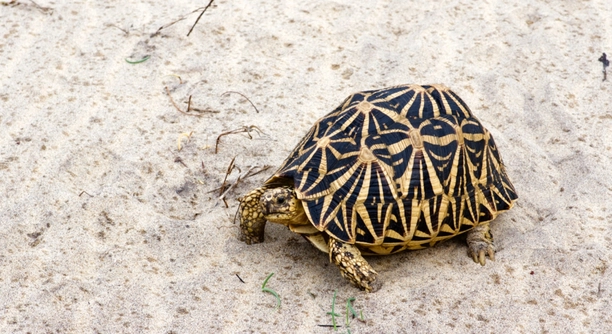
Indian Star Tortoises are fascinating creatures that require a balanced diet to thrive. Many owners wonder about the safety of various vegetables for these reptiles, especially when it comes to leafy greens like chard.
Indian Star Tortoises can eat chard in moderation, but it should not be a daily food. Overconsumption can lead to an imbalance in their calcium and phosphorus ratio, which could affect their health.
Understanding how often to feed chard is essential for your tortoise’s diet. This article will guide you on how to safely incorporate this leafy green into their meals.
Can Chard Be Part of an Indian Star Tortoise’s Diet?
Chard is a leafy green vegetable packed with nutrients like vitamins A and C, as well as fiber, making it appealing to pet owners looking to diversify their tortoise’s meals. However, it’s important to note that chard contains high levels of oxalates, compounds that can interfere with calcium absorption. Since calcium is vital for a tortoise’s bone and shell health, feeding chard too often can lead to calcium deficiencies. Therefore, while it can be offered occasionally as part of a varied diet, chard should never be the main component of an Indian Star Tortoise’s meals.
Chard can be introduced as a treat, but it should be balanced with other leafy greens like dandelion leaves or collard greens, which are safer and more nutritious for your tortoise.
If you are unsure how much chard to offer, always err on the side of caution. A small portion, mixed with other vegetables, is best. Offering chard once or twice a week will help prevent any long-term health issues related to calcium imbalance. Monitoring your tortoise’s health and observing their behavior after eating can also give you clues if any adjustments are needed in their diet.
Other Vegetables to Offer Your Indian Star Tortoise
Other than chard, Indian Star Tortoises can enjoy a variety of vegetables like kale, mustard greens, and endive. These options are much lower in oxalates and provide a better balance of nutrients. Additionally, you can mix in some flowers like hibiscus or dandelions, which your tortoise will love.
It’s also wise to avoid feeding too much fruit, as its sugar content can upset their digestive system. Vegetables should make up the majority of their diet to keep them healthy.
Risks of Feeding Chard Too Frequently
Feeding chard too often can cause your tortoise to suffer from poor calcium absorption. Over time, this may lead to soft or malformed shells, poor growth, and other health issues. The high oxalate content in chard binds with calcium, making it harder for your tortoise to use the calcium they consume. This is why moderation is key when incorporating chard into their diet.
If you notice your tortoise’s shell looks soft or brittle, it might be a sign they’re not absorbing enough calcium. Always check with a veterinarian if you suspect any dietary imbalance, and adjust their meals accordingly.
In addition to calcium issues, chard can also be too high in water content. Offering it too often can lead to digestive problems like diarrhea or bloating. This is another reason why variety is crucial. Incorporating different greens helps ensure your tortoise gets all the nutrients they need without the risks that come with overfeeding any single vegetable.
How Much Chard is Safe for Your Indian Star Tortoise?
A small amount of chard, offered once or twice a week, is generally safe for your Indian Star Tortoise. Keeping the portion size minimal ensures they enjoy the benefits of the vegetable without overdoing it. Typically, a leaf or two mixed with other leafy greens is enough.
When offering chard, make sure it’s fresh and free from pesticides. Always wash the leaves thoroughly to remove any harmful chemicals. This practice helps prevent your tortoise from ingesting anything that could harm their digestive system or overall health.
Other Foods to Avoid
It’s essential to avoid feeding your Indian Star Tortoise foods high in oxalates, like spinach, beet greens, and parsley, as they can similarly interfere with calcium absorption. These foods should be offered sparingly, if at all, to prevent nutritional imbalances.
The occasional treat like fruit should also be limited. Too much fruit can cause digestive issues or lead to obesity in tortoises. Stick to vegetables and high-fiber greens to ensure a well-balanced diet. You can offer treats in moderation, but be cautious with the frequency.
Importance of Variety in Diet
Offering a variety of greens, flowers, and vegetables is crucial for the health of your Indian Star Tortoise. By mixing different types of leafy greens, you ensure they get a full range of nutrients without overloading on one particular type. Regularly changing their food keeps meals interesting too.
Diversifying their meals also helps avoid potential nutrient deficiencies. For example, collard greens provide a good source of calcium, while dandelions offer fiber and vitamins. Rotate greens regularly to ensure your tortoise gets the best from each vegetable type.
Proper Feeding Schedule
Feeding your tortoise daily or every other day, with small portions, is ideal. This keeps them satisfied without overfeeding, and ensures they get the nutrients they need. Stick to fresh vegetables each time and avoid leftovers, as they can spoil quickly.
A consistent schedule will also help your tortoise maintain a healthy metabolism and avoid overeating, which can lead to obesity.
FAQ
Can Indian Star Tortoises eat chard every day?
No, Indian Star Tortoises should not eat chard every day. Chard contains high levels of oxalates, which can interfere with calcium absorption. If fed too frequently, it can lead to calcium deficiencies, causing shell deformities or poor bone health. It’s best to offer chard once or twice a week in small amounts, mixed with other leafy greens.
Is it safe to feed chard to my Indian Star Tortoise in large amounts?
Feeding chard in large amounts is not safe. Although it’s packed with nutrients like vitamins A and C, its high oxalate content can cause harm if overfed. Too much chard may lead to calcium imbalance, digestive issues, and long-term health problems. Moderation is key.
What other vegetables can I feed my Indian Star Tortoise?
Indian Star Tortoises can enjoy a variety of vegetables, such as kale, dandelion leaves, mustard greens, and endive. These greens are safer options because they are lower in oxalates. You can also offer flowers like hibiscus, clover, and dandelions. Remember to keep the diet varied to avoid nutritional imbalances.
Can I feed fruit to my Indian Star Tortoise?
Fruits should be given as an occasional treat. While fruits like berries or melon are safe, they are high in sugar and can cause digestive issues if offered too frequently. Limit fruit to once or twice a week in small portions. Focus on vegetables as the main part of their diet.
How much should I feed my Indian Star Tortoise?
The amount you feed your tortoise will depend on its size and age. As a general rule, offer enough food to cover their shell in greens daily. For adult tortoises, this will be about the size of their shell, while younger tortoises might need slightly more food for proper growth. Always observe your tortoise’s eating habits and adjust portions accordingly.
Can I feed my Indian Star Tortoise store-bought salad mixes?
Store-bought salad mixes can be risky as they may contain harmful chemicals, preservatives, or ingredients not suitable for your tortoise. It’s best to avoid these mixes and focus on fresh, organic greens. If you do use a pre-packaged salad mix, check the ingredients and ensure there are no harmful additives.
How can I tell if my Indian Star Tortoise is not eating enough?
If your tortoise is not eating enough, you may notice weight loss, lethargy, or a lack of interest in food. Poor shell growth, soft spots, or changes in behavior can also be signs of insufficient nutrition. If you’re concerned, consult with a vet to ensure your tortoise’s diet meets its needs.
What should I do if my Indian Star Tortoise refuses to eat?
If your tortoise refuses food, check for any changes in their environment that may be causing stress, such as temperature fluctuations or poor humidity levels. Tortoises are sensitive to environmental conditions. If the issue persists, consider offering a variety of vegetables or consult with a vet for advice.
Are there any vegetables I should avoid feeding my Indian Star Tortoise?
Avoid feeding your tortoise vegetables that are high in oxalates or goitrogens, such as spinach, beet greens, and parsley. These can affect calcium absorption or thyroid function. Additionally, avoid feeding them starchy vegetables like potatoes, which are not suitable for their digestive system. Always research a vegetable before feeding it to your tortoise.
How often should I change my Indian Star Tortoise’s diet?
You should change your tortoise’s diet regularly to ensure they receive a wide range of nutrients. Offer a different variety of greens every few days. Rotate their vegetables and flowers to keep meals interesting and provide them with diverse nutrients. Consistency in offering fresh foods is more important than changing foods constantly.
Can I feed my Indian Star Tortoise lettuce?
Lettuce can be fed occasionally but should not be the main part of their diet. Iceberg lettuce, in particular, is not nutritionally rich and has a high water content that can cause digestive issues. Opt for more nutritious lettuce types like romaine, but keep it in moderation to avoid excessive water intake.
Final Thoughts
Chard can be a healthy addition to an Indian Star Tortoise’s diet, but it should only be given in moderation. Due to its high oxalate content, feeding chard too often may interfere with the absorption of calcium, which is vital for a tortoise’s shell and bone health. While occasional servings of chard can provide a boost of nutrients like vitamins A and C, overfeeding can lead to long-term health issues. It’s important to balance it with other leafy greens that are lower in oxalates, such as dandelion greens or collard greens, to maintain proper nutrition.
Variety plays a crucial role in a tortoise’s diet. Offering a wide range of safe vegetables, flowers, and occasional fruits helps ensure that they receive all the nutrients they need. This variety also keeps meals interesting for your tortoise. Remember, the key is to avoid relying on one type of food, like chard, for too long. By rotating foods and incorporating a balance of calcium-rich and fiber-packed vegetables, you can prevent any nutritional gaps. Proper diet management ensures your tortoise stays healthy and active for years to come.
Ultimately, the health of your Indian Star Tortoise is in your hands. You are responsible for making sure they receive a balanced diet that promotes overall wellness. It’s always a good idea to monitor your tortoise’s health regularly and adjust their diet when needed. If you are ever uncertain about what to feed, it’s best to consult with a vet who specializes in reptiles. Regular checkups can help prevent dietary imbalances and ensure that your tortoise continues to thrive. With the right care and feeding habits, your tortoise can live a long and healthy life.

Hello,
If you enjoy the content that we create, please consider saying a "Thank You!" by leaving a tip.
Every little bit helps us continue crafting quality advice that supports the health, happiness, and well-being of pets around the world, for pets of all shapes, sizes, and species.
We really appreciate the kindness and support that you show us!