
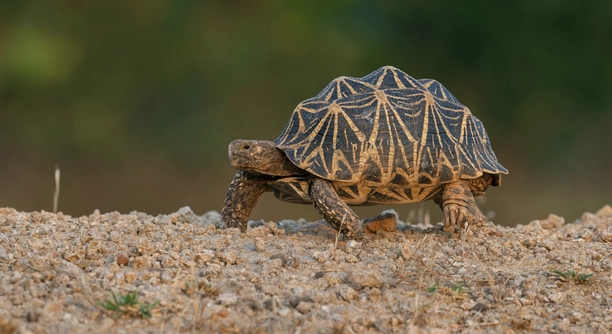
Indian Star Tortoises are fascinating creatures, often displaying unique behaviors. One common behavior pet owners notice is their tendency to spend time in their water dish, which can raise concerns. This article explores why this happens.
Indian Star Tortoises might spend time in their water dish due to instinctual behaviors or environmental factors. In the wild, these tortoises seek out water sources for hydration and cooling. A dry or warm enclosure could encourage this behavior.
Understanding the reasons behind this behavior will help you create a better environment for your tortoise. It’s important to know how temperature and habitat can influence their actions and well-being.
Understanding the Importance of Hydration
Tortoises need hydration to maintain healthy digestion and skin. While they get most of their water intake from food, having access to fresh water is still important. Your Indian Star Tortoise might seek out its water dish simply because it’s trying to stay hydrated. It’s important to make sure the water is always clean and easily accessible. This is especially true if the enclosure is too dry. Some tortoises instinctively go to water to help regulate their body temperature and avoid dehydration.
A water dish also serves as a place to help them stay cool. Tortoises may soak in the dish during hotter months, using it as a way to lower their body temperature. If the humidity levels in their environment are off, they may turn to the dish more often.
This behavior can be a sign of a bigger issue. If your tortoise is constantly in the water, it could indicate that the humidity levels or temperature in the tank aren’t right. Adjusting these factors can lead to a more comfortable and healthy environment for your pet.
Temperature and Humidity Issues
It’s not just the water dish itself that might be influencing your tortoise’s behavior, but the environment as a whole. Temperature plays a huge role in how they behave, and improper heating can cause them to search for cooler areas. If the enclosure is too hot, the water dish might become their go-to spot.
Inadequate humidity can also cause them to soak in the dish more often. Indian Star Tortoises are accustomed to dry but humid environments. If the air is too dry, they may resort to water to rehydrate or find relief. Be sure to monitor the humidity levels to keep your tortoise comfortable.
Stress and Anxiety Factors
Stress can lead to odd behaviors in Indian Star Tortoises. If they feel threatened or unsafe, they may turn to their water dish as a comforting retreat. This can happen if there’s too much noise, too many people around, or if the tank is too small.
Sometimes, a change in their surroundings or a sudden shift in the environment can cause stress. For instance, moving their tank or placing it in a busier area might make them feel insecure. Over time, this could lead to them spending more time in their water dish. It’s also possible that a lack of hiding spots or a lack of stimulation causes them to retreat to the water.
If your tortoise’s behavior becomes repetitive or seems driven by anxiety, it’s crucial to create a more peaceful environment. Adding hiding spots, minimizing disruptions, and keeping the tank in a quiet space can help reduce stress and encourage more normal behavior. A consistent routine can also make your tortoise feel more secure.
Overheating Concerns
Another reason your tortoise might constantly be in its water dish is to avoid overheating. Indian Star Tortoises are used to warmer environments, but if the temperature in their enclosure becomes too high, they may seek out water for relief.
Maintaining a steady temperature range between 80°F and 90°F is key for their health. Anything above or below this range could cause your tortoise to act out in unusual ways, including spending more time in their water dish. Regularly check the temperature with a thermometer to make sure it stays within the safe range. You might also want to offer different temperature zones in their tank so they can move around and regulate their body heat.
Proper heating helps prevent overheating while keeping your tortoise comfortable and healthy. Keep their tank well-balanced to ensure they don’t feel the need to hide in their water dish too often.
Poor Diet and Dehydration
A poor diet can also lead to dehydration, which might cause your tortoise to spend more time in the water dish. If they’re not getting enough moisture from their food, they may turn to the dish for extra hydration.
Ensure your tortoise is getting a varied diet with leafy greens and vegetables that are rich in water content. Over time, a dehydrated tortoise may show signs of stress, and seeking water becomes a way to compensate for their lack of fluids. Adjusting their diet can help prevent this behavior.
Improper Substrate Choices
The substrate in your tortoise’s tank plays a role in regulating humidity. If it’s too dry or doesn’t retain moisture, your tortoise might end up spending more time in the water dish.
Choosing a suitable substrate like coconut coir or a mixture of organic soil can help maintain proper humidity levels. This allows your tortoise to avoid constantly soaking in the water dish, as it can help them find the right moisture balance in their environment.
Behavior Related to Mating
Sometimes, unusual behavior can be a sign of mating instincts. Tortoises may act differently when they’re in the breeding season, which could involve spending more time in certain areas of their habitat, including the water dish.
If your tortoise is alone, it’s possible they could still display behaviors related to mating. Keep an eye on their general behavior and make adjustments to their environment if necessary, ensuring it’s still suitable for their needs.
FAQ
Why does my Indian Star Tortoise spend so much time in its water dish?
Your tortoise may be spending time in its water dish due to various factors, such as hydration, temperature regulation, or environmental stress. In the wild, tortoises use water sources for hydration and cooling. If the humidity or temperature in their enclosure is off, they might seek out the dish to help stay cool or rehydrate. Check the humidity and temperature levels in the enclosure, ensuring they fall within the appropriate ranges for your tortoise.
Can my Indian Star Tortoise be too stressed in its enclosure?
Yes, stress can cause your tortoise to spend excessive time in the water dish. Changes in the environment, like noise or overcrowding, can make them feel threatened. Stress can also arise from not having enough hiding spots or enrichment in their tank. To reduce stress, place your tortoise’s tank in a quiet, safe area, and make sure there are plenty of hiding places for them to retreat to when they feel anxious.
Is it normal for my tortoise to soak in the water dish?
It is normal for tortoises to soak in their water dish occasionally. Soaking helps them stay hydrated, and they may also use it to regulate their body temperature. However, if your tortoise spends an unusually long amount of time in the water dish, it might be a sign of environmental issues like incorrect temperature or humidity. Regularly check your tank’s conditions to ensure they are within a healthy range.
What temperature should my tortoise’s enclosure be?
Indian Star Tortoises prefer a temperature range between 80°F and 90°F (27°C – 32°C). If the temperature in the enclosure is too high or too low, your tortoise may seek refuge in the water dish more often. Make sure you provide a heat source, like a basking light, that allows your tortoise to move between cooler and warmer areas. Check the temperature regularly with a thermometer to avoid overheating or cooling down your tortoise too much.
How can I improve the humidity levels in my tortoise’s tank?
To keep your Indian Star Tortoise comfortable, aim for humidity levels between 50-60%. You can increase humidity by misting the tank regularly or using a humidifier. Adding a substrate that retains moisture, such as coconut coir, can help. Be careful not to overdo it, as excessive humidity can cause other health problems. Monitor the humidity levels with a hygrometer to make sure they stay in a healthy range.
Should I change my tortoise’s diet to prevent excessive soaking?
Yes, a proper diet plays a role in your tortoise’s hydration. Feeding them leafy greens, fruits, and vegetables with high water content can help maintain hydration, which may reduce the need to soak in the water dish. Avoid feeding them dry foods that can lead to dehydration. If your tortoise’s diet lacks moisture-rich food, they may seek out water more often. Ensure their diet is varied and balanced for their hydration and overall health.
Is it safe for my tortoise to spend so much time in the water?
While occasional soaking is fine, excessive time spent in the water dish might indicate underlying environmental or health issues. Prolonged soaking can cause skin problems, including shell rot, and may be a sign that the enclosure is too dry, too hot, or too stressful. Make sure the tank is well-maintained with proper temperature, humidity, and hiding spots to prevent your tortoise from feeling the need to soak excessively. If the behavior continues, consult a veterinarian to rule out any health problems.
What can I do if my tortoise constantly seeks out the water dish?
If your tortoise spends too much time in the water dish, first check the temperature and humidity levels in its tank. Adjusting these to the correct levels might help. Ensure the tank is large enough for your tortoise to move around and find cooler or warmer areas when needed. Adding hiding spots and reducing stress factors can also help. If the behavior persists, consider consulting a vet to rule out health issues like dehydration or skin infections.
How often should I clean the water dish for my tortoise?
The water dish should be cleaned regularly, ideally every 2-3 days or whenever it becomes dirty. Tortoises can be messy, and their water can quickly become contaminated with debris, food scraps, or waste. A dirty water dish can lead to bacterial growth, which could harm your tortoise’s health. Make sure to scrub the dish thoroughly with a safe cleaner or just hot water before refilling it with fresh, clean water.
Could my tortoise’s behavior be related to its age?
Young tortoises, especially hatchlings, may spend more time in the water dish because they are still developing and may need more hydration. Older tortoises, on the other hand, may not need to soak as often but could still seek out water due to environmental factors. Age alone isn’t typically the primary cause of excessive soaking, but younger tortoises may exhibit this behavior more often as they adjust to their habitat.
Does the type of substrate affect my tortoise’s water intake?
Yes, the type of substrate in your tortoise’s tank can affect water intake. If the substrate is too dry, your tortoise may feel the need to drink more or soak more often. A moisture-retaining substrate like coconut coir helps maintain the right humidity level, reducing the need for excessive water consumption. Be sure to choose a substrate that both absorbs moisture and provides a natural environment for your tortoise. This can help regulate their hydration and prevent them from spending too much time in the water dish.
Final Thoughts
Your Indian Star Tortoise’s behavior of spending time in its water dish is not necessarily a cause for concern, but it can be a sign that something in its environment needs adjustment. Tortoises are naturally drawn to water for hydration and temperature regulation. In the wild, they often seek out water sources to stay cool and hydrated. If your tortoise is frequently in its water dish, it could be responding to an environmental factor like temperature or humidity that isn’t quite right. It’s important to make sure their enclosure has the correct conditions for them to thrive, with proper heating and humidity levels.
Over time, adjusting the temperature, humidity, and substrate in your tortoise’s habitat can help encourage more balanced behavior. If the enclosure is too dry or too warm, your tortoise may instinctively try to find water for relief. On the other hand, if the temperature is just right, your tortoise will feel more comfortable, and the need to spend time in the water dish should decrease. Pay attention to the tank’s conditions and make sure your tortoise has different areas to choose from, like a basking spot and cooler areas, to regulate its body temperature. You may also want to provide hiding spots for security, as a sense of safety can reduce the need to seek comfort in the water.
While this behavior is generally not harmful, it’s still worth keeping an eye on. If your tortoise’s time in the water dish seems excessive, it might be worth consulting a veterinarian. They can rule out health issues like dehydration, skin infections, or other underlying problems that could cause your tortoise to behave this way. Keeping your tortoise’s living conditions in check, ensuring it has a proper diet, and providing a stress-free environment are key steps in maintaining its health and happiness. By making these adjustments, you’ll create a better living space for your pet, and its behavior should naturally improve.

Hello,
If you enjoy the content that we create, please consider saying a "Thank You!" by leaving a tip.
Every little bit helps us continue crafting quality advice that supports the health, happiness, and well-being of pets around the world, for pets of all shapes, sizes, and species.
We really appreciate the kindness and support that you show us!