
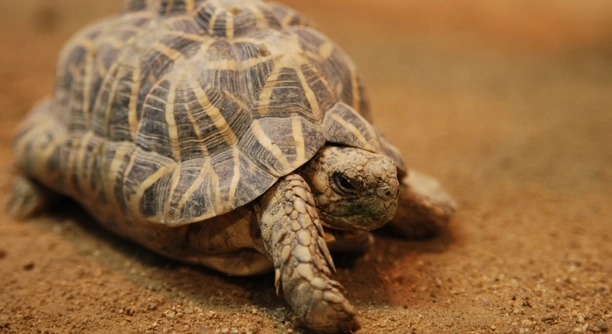
Indian Star Tortoises are known for their fascinating behavior, especially during the egg-laying season. Observing these changes can offer valuable insights into their reproductive cycle and help caretakers ensure a healthy environment for them.
Before egg-laying, Indian Star Tortoises exhibit behavioral changes, including increased restlessness, searching for nesting sites, and changes in appetite. These shifts typically indicate that the tortoise is preparing for egg deposition and requires a safe, quiet space to do so.
Recognizing these behaviors helps in providing the right care and environment for your tortoise, ensuring they have a safe place to lay their eggs.
Understanding the Behavior of Indian Star Tortoises Before Egg-Laying
Before egg-laying, Indian Star Tortoises go through noticeable changes in behavior. These reptiles will typically become more active, moving around their enclosures more than usual. They seem to search for a secluded spot where they can dig and lay eggs in peace. During this time, they may refuse food or show a reduced appetite, as their energy is focused on the reproductive process. Restlessness is another key behavior; they might pace or wander around in search of a suitable location. Such signs indicate that the tortoise is nearing the time to lay its eggs.
These behaviors are important for anyone caring for Indian Star Tortoises. They help signal when changes in their environment are needed. Providing a proper nesting area ensures that your tortoise feels secure during this time.
The process of laying eggs is a delicate one for these tortoises. They need a soft, moist substrate in a quiet, dark spot where they can dig a hole and deposit their eggs. If the environment is unsuitable or stressful, the tortoise may abandon the egg-laying process, leading to complications. Creating a nesting area with the right conditions will encourage successful egg-laying, which is essential for the health of both the mother and the eggs.
How to Prepare for Egg-Laying
To prepare for egg-laying, make sure to offer a well-established nesting site. Tortoises require this space to feel comfortable and secure.
The nesting area should be spacious enough for the tortoise to dig, with soft soil or sand that holds moisture but doesn’t get soggy. Keep the temperature stable and ensure there’s no disturbance in the tortoise’s surroundings. Avoid sudden changes in their routine, as this could increase stress. Regularly check the enclosure for signs of egg-laying, such as digging or changes in behavior. As soon as the tortoise lays the eggs, it’s important to leave them undisturbed, ensuring they can be incubated naturally.
Key Signs to Look for Before Egg-Laying
As egg-laying time approaches, the behavior of Indian Star Tortoises can become more predictable. Restlessness and excessive digging are key signs to watch for. The tortoise will start searching for a quiet spot to lay its eggs.
You’ll also notice changes in their appetite. Tortoises preparing to lay eggs often eat less or refuse food altogether. This is because they are focused on their reproductive needs rather than feeding. If the tortoise begins pacing or digging in specific areas, it’s a clear indication that egg-laying is near. Observing these behaviors closely helps in providing the right environment at the right time.
It’s also important to consider the timing of these behaviors. Some tortoises may show these signs a few days before laying, while others may start weeks in advance. Keeping track of these changes and ensuring the right conditions, such as a soft substrate and a quiet space, is essential for the tortoise’s comfort and successful egg-laying.
Creating a Proper Nesting Area
To support your tortoise during this process, create an appropriate nesting area. It should have a soft, well-moistened substrate that allows the tortoise to dig comfortably.
A suitable nesting area offers privacy and calm, reducing stress. The substrate should retain moisture but not be overly wet, as too much water can cause problems. The tortoise will instinctively know what it needs, so placing a layer of soil or sand in a hidden corner of the enclosure can provide the security it seeks. If possible, avoid disturbing the nesting site once the tortoise begins to dig.
It’s essential to ensure the area stays warm but not hot, with a temperature range similar to the tortoise’s natural habitat. Having a designated nesting spot helps the tortoise feel safe and allows for a smooth egg-laying experience. If you notice signs of stress or difficulty laying, be ready to adjust the environment as needed.
Stress and Its Impact on Egg-Laying
Stress can disrupt the egg-laying process. If the environment is too noisy, overcrowded, or uncomfortable, the tortoise may delay laying or abandon the process entirely.
Stress can also make the tortoise less likely to lay eggs. Keeping the enclosure calm and quiet during this time is crucial. Any major disruptions in temperature, humidity, or light levels can cause distress, leading to complications. Ensuring that the tortoise feels secure and has enough space to move around and find a suitable nesting site is key to a smooth egg-laying process.
Monitoring the Egg-Laying Process
Once the tortoise starts digging and laying eggs, it’s best to let it continue without interference. Avoid touching the eggs or disturbing the area unless absolutely necessary.
By keeping the nesting site undisturbed, you’re providing the tortoise with the privacy and space it needs to lay its eggs in a safe, secure environment. Monitoring is essential, but don’t interfere unless you see signs of difficulty. It’s also helpful to check for egg shells or signs of stress afterward, as these can signal any potential complications.
FAQ
What is the ideal temperature for egg-laying in Indian Star Tortoises?
The ideal temperature for egg-laying should range between 28°C to 32°C (82°F to 89°F). This temperature range mimics their natural habitat, promoting a healthy environment for egg-laying. Too high or low of a temperature can cause stress and disrupt the tortoise’s egg-laying process. Ensure that the nesting area remains stable, especially during this time, to avoid any temperature extremes.
How do I know when my tortoise is ready to lay eggs?
You can notice the behavior changes before egg-laying. Tortoises will often start digging, pacing, and searching for secluded areas. They may also stop eating or eat much less. These signs are usually followed by the actual process of digging a hole to lay eggs. It’s important to monitor the tortoise during this period, as it’s a delicate time in their reproductive cycle.
Can I move the tortoise during the egg-laying process?
It’s best not to move the tortoise once it begins the egg-laying process. Moving it can cause stress, which may interfere with the successful laying of eggs. If you need to move it for some reason, try to do so only after the process is complete. During the actual laying, keeping the tortoise in a quiet, calm environment is crucial.
What should I do if my tortoise isn’t laying eggs after digging?
If your tortoise has started digging but isn’t laying eggs, it could be due to stress or an unsuitable nesting environment. Check if the temperature, humidity, and substrate are appropriate. You may also want to leave the tortoise alone, as too much interference can cause delays. If the situation doesn’t resolve, a vet’s advice might be needed.
How long does the egg-laying process take?
The egg-laying process in Indian Star Tortoises usually takes a few hours. After digging a hole, the tortoise will lay the eggs, cover them with substrate, and then leave the area. It’s important to give the tortoise ample space and time to complete the process without disturbances.
How can I help my tortoise feel more comfortable during egg-laying?
Providing a suitable nesting area is key to ensuring the tortoise feels comfortable. Make sure the area is quiet, dark, and private. The substrate should be soft and moist, not too wet. Ensure the tortoise has enough space to dig and move around without feeling crowded. A stable temperature will also help in reducing stress.
How often do Indian Star Tortoises lay eggs?
Indian Star Tortoises typically lay eggs once or twice a year, depending on their age, health, and environmental factors. Female tortoises may lay eggs even without mating, a process known as parthenogenesis. However, egg-laying frequency can vary greatly between individuals.
What happens if the eggs aren’t incubated properly?
Improper incubation can lead to poor hatch rates or deformities in the hatchlings. Eggs that are kept too cold may not develop properly, while those that are too hot can lead to deformities or the death of the embryos. It’s essential to incubate the eggs at the proper temperature and humidity to ensure healthy hatchlings.
Should I remove the eggs after they are laid?
It’s generally a good idea to leave the eggs where the tortoise laid them, as disturbing them can stress the tortoise and may affect the eggs. If you plan to incubate the eggs artificially, carefully remove them after the tortoise has finished and transfer them to a proper incubator. Make sure to handle them gently and avoid rotating or shaking them.
Can I expect all the eggs to hatch?
Not all eggs may hatch, as hatchability depends on factors such as egg health, temperature, and humidity levels during incubation. Some eggs may be infertile or may not develop properly. It’s important to monitor the eggs during incubation and remove any that show signs of not being viable.
What are the signs that the eggs are fertilized?
Fertilized eggs usually appear firm and slightly translucent. You may also notice veins or an embryo developing inside the egg after a few weeks of incubation. Infertile eggs tend to be soft and may have an opaque appearance. If you’re uncertain, you can try candling the eggs (shining a light through them) to check for signs of fertilization.
Final Thoughts
Understanding the behavioral changes that occur before egg-laying in Indian Star Tortoises is crucial for anyone who cares for them. These tortoises go through various signs and behaviors, such as increased restlessness and digging, which help signal the need for a proper nesting area. By being aware of these changes, you can better support your tortoise during this sensitive time and ensure that it has everything needed to lay its eggs safely. Creating a comfortable, quiet, and private environment for the tortoise to lay eggs is essential for a successful egg-laying process.
Once the tortoise begins to show signs of egg-laying, it’s important to minimize disturbances. These creatures need time and space to lay their eggs naturally, so providing a proper nesting area is critical. Make sure the substrate is soft and moist, the temperature is stable, and the area is quiet. It’s tempting to intervene, but keeping things calm and undisturbed will allow the tortoise to complete the process on its own. After laying the eggs, avoid handling them unless necessary. It’s essential to let nature take its course as much as possible to prevent stress or complications.
Finally, while many of these behaviors are natural, paying close attention to your tortoise can help avoid potential issues during egg-laying. If your tortoise is experiencing difficulty or you notice any signs of stress, try to address the environment by adjusting the temperature, humidity, or offering more privacy. Understanding the needs of your Indian Star Tortoise and being proactive during this process will not only ensure a smoother egg-laying experience but also improve the overall well-being of your tortoise.

Hello,
If you enjoy the content that we create, please consider saying a "Thank You!" by leaving a tip.
Every little bit helps us continue crafting quality advice that supports the health, happiness, and well-being of pets around the world, for pets of all shapes, sizes, and species.
We really appreciate the kindness and support that you show us!