
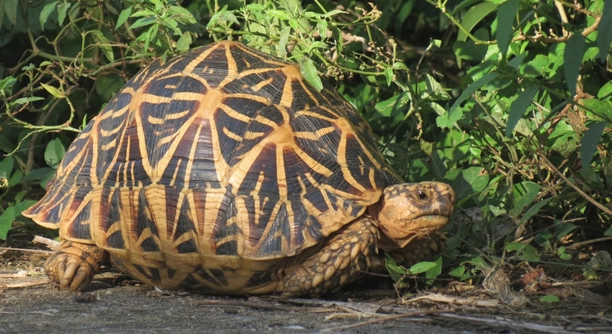
Abnormal shell development in Indian Star Tortoises is a serious concern among pet owners. It can affect the tortoise’s health and overall well-being. Understanding the causes behind these issues is crucial for proper care and treatment.
Abnormal shell development in Indian Star Tortoises is commonly caused by factors such as poor diet, inadequate lighting, dehydration, genetic issues, shell injuries, improper temperature, and lack of proper care. These factors can result in deformities or shell damage.
Knowing the causes of abnormal shell development can help you improve your tortoise’s care routine. Proper care and early intervention can make a big difference in their long-term health.
Poor Diet
A poor diet is one of the leading causes of abnormal shell development in Indian Star Tortoises. Without the right balance of nutrients, their shells can become weak and deformed. These tortoises need a diet that includes a variety of leafy greens, grasses, and some fruits. Calcium and vitamin D3 are particularly important to maintain healthy shell growth. When these nutrients are missing or insufficient, the shell’s structure may be compromised, causing it to soften, grow unevenly, or even develop pyramidal deformities. It’s important to provide a diet rich in fiber, calcium, and low in protein to ensure proper shell formation.
Offering a proper diet filled with variety is crucial to their shell health. Supplementing their food with calcium powder can also be helpful.
Inadequate nutrition can affect not only the shell but also the overall health of the tortoise. When these tortoises lack calcium, they may suffer from metabolic bone disease. The condition weakens their bones and shell, leaving them more prone to injuries and deformities. Vitamin D3 plays a significant role in calcium absorption. Without proper lighting or UVB exposure, the tortoises may fail to absorb calcium, further complicating their shell development. Over time, this imbalance leads to weakened shells that are more susceptible to fractures and infections. By feeding them the correct foods, supplementing with calcium, and ensuring they get enough sunlight or UVB light, you can help maintain their shell health.
Inadequate Lighting
Inadequate lighting can have a significant impact on the development of your tortoise’s shell. Without proper UVB lighting, their bodies cannot process essential nutrients properly.
Tortoises rely on UVB rays to metabolize calcium. Without these rays, they can’t absorb enough calcium to keep their shells healthy and strong. Proper lighting should mimic the natural sunlight they would receive in the wild.
UVB lighting is not just a luxury for pet tortoises but a necessity for their health. Indian Star Tortoises, like many reptiles, need UVB light to produce vitamin D3, which is vital for calcium absorption. When they are deprived of UVB exposure, the tortoise’s body can’t process calcium properly, leading to soft and deformed shells. It’s recommended to provide a high-quality UVB light source for around 10-12 hours a day, especially if your tortoise lives indoors. Natural sunlight is always the best option, but if that’s not possible, a good UVB lamp can help. When choosing lighting, ensure it is the right strength for your tortoise’s size and age.
By ensuring proper lighting and exposure to UVB rays, you can help maintain your tortoise’s shell health, prevent deformities, and promote a longer, healthier life for your pet.
Dehydration
Dehydration is a common cause of shell issues in Indian Star Tortoises. When they don’t drink enough water, their shells can become brittle and prone to deformities. Proper hydration is essential for their overall health, including shell development.
Tortoises rely on water to maintain proper bodily functions, including digestion and metabolism. When dehydrated, their bodies struggle to absorb nutrients efficiently, which can affect the growth of their shell. Inadequate water intake can also cause other health problems, such as kidney issues. To prevent dehydration, always ensure your tortoise has access to fresh, clean water. You may also want to mist their environment to raise humidity, especially in drier climates.
Tortoises are also known to get dehydrated if they are kept in a dry enclosure without humidity control. They may not drink enough water if their habitat is too dry, which can further contribute to shell problems. If you notice signs of dehydration such as dry skin or lethargy, it is important to adjust their living conditions and encourage them to drink water. Sometimes soaking them in a shallow bath for about 20 minutes can help rehydrate them and prevent shell deformities from worsening.
Genetic Issues
Genetics play a significant role in the development of your tortoise’s shell. Some tortoises are born with deformities due to inherited genetic factors.
Certain genetic disorders can cause abnormalities in shell growth, making them more prone to malformations, such as pyramiding or uneven growth. Unfortunately, there isn’t much you can do to fix genetic issues once they’re present. However, keeping your tortoise in optimal living conditions can prevent further complications. It is also a good idea to be cautious when breeding tortoises, as genetic defects can pass on to offspring. If you notice abnormal shell growth early on, a visit to a veterinarian specializing in reptiles can help.
If a tortoise’s shell deformities are traced to genetics, it becomes even more important to manage their health carefully. Proper diet, hydration, UVB lighting, and temperature control will minimize the risk of worsening shell issues. In some cases, deformities may not affect the tortoise’s overall health, but in severe instances, it can lead to painful growths or difficulty moving. Early intervention and close monitoring can make a difference in how the tortoise adapts to the deformities caused by genetic factors.
Shell Injuries
Shell injuries can occur from falls, rough handling, or being kept in unsafe environments. These injuries can lead to permanent shell deformities if not treated properly.
If a tortoise’s shell is cracked or injured, it can affect the way the shell grows. Without treatment, these injuries can become infected, leading to more serious health problems. Always handle your tortoise carefully, and avoid placing them in environments where they might fall or be exposed to rough surfaces. If you notice an injury, take your tortoise to a vet right away to prevent complications.
Shell injuries require prompt care and attention to prevent infection and further damage. A veterinarian can treat the injury with proper cleaning, antibiotics, or even surgery in severe cases. Afterward, the tortoise should be placed in a clean, safe environment to allow healing. If the injury is severe, the tortoise may need extra attention to ensure the shell grows back properly.
Improper Temperature
Improper temperature is another factor that can affect shell development. If your tortoise’s habitat is too hot or too cold, it can cause stress and hinder healthy shell growth.
Tortoises need a temperature range that allows them to digest food properly and metabolize calcium. A temperature that’s too low can slow their metabolism, while excessive heat can cause dehydration and stress. Ensuring the enclosure is equipped with both a warm basking area and a cooler spot will allow your tortoise to regulate its body temperature. Use a thermometer to monitor the environment and adjust as needed.
Lack of Proper Care
Lack of proper care can lead to a variety of health issues in tortoises, including abnormal shell development. It’s essential to understand their needs to prevent these problems.
When tortoises are not provided with appropriate care, such as a proper diet, adequate lighting, or a suitable habitat, their shells can develop issues. They may experience weakened or uneven shell growth, as well as other health concerns. Regular monitoring, timely veterinary check-ups, and proper habitat conditions are crucial to maintaining a healthy shell and preventing deformities.
FAQ
What are the signs of abnormal shell development in Indian Star Tortoises?
Signs of abnormal shell development include uneven growth, pyramidal shell shapes, soft spots, cracks, or discoloration. You might notice that the shell becomes more fragile or that the tortoise has trouble moving. If these signs are visible, it’s important to address the issue quickly to prevent further damage. Regularly check the condition of your tortoise’s shell to ensure it is growing properly.
How can I fix a tortoise’s shell if it’s deformed?
Unfortunately, you cannot reverse a shell deformity once it has occurred. However, by addressing the underlying cause—whether it’s diet, lighting, hydration, or environment—you can prevent the deformity from worsening. In severe cases, a veterinarian may offer treatments to help the tortoise live more comfortably or even repair small cracks. It’s essential to monitor your tortoise’s health and ensure proper care to prevent deformities from continuing.
Can dehydration cause shell deformities?
Yes, dehydration can lead to shell issues in tortoises. When they don’t drink enough water, their shells can become weak and brittle. Dehydrated tortoises may also suffer from overall health problems that can further affect their shell growth. Always make sure your tortoise has access to fresh water, and consider soaking them in a shallow bath to keep them hydrated.
How do I ensure my tortoise gets enough calcium?
To ensure proper calcium intake, feed your tortoise a variety of calcium-rich foods, such as leafy greens (collard greens, dandelion greens), and supplement their diet with calcium powder. It’s also important to provide adequate UVB lighting, as it helps them metabolize calcium. You should also avoid feeding them too much protein, as this can lead to imbalances in their diet that affect their shell growth.
Why is UVB lighting important for tortoises?
UVB lighting is essential for tortoises because it helps them produce vitamin D3, which is required for calcium absorption. Without UVB light, they won’t be able to process calcium properly, which can lead to weak or malformed shells. It’s important to provide UVB lighting for at least 10-12 hours a day, especially for indoor tortoises. Natural sunlight is the best option, but if that’s not possible, a high-quality UVB light should be used.
How can I prevent shell injuries in my tortoise?
To prevent shell injuries, handle your tortoise carefully and avoid letting them roam in unsafe areas where they could fall or bump into hard surfaces. Keep their enclosure free from sharp objects or rough edges that could cause injury. Always supervise them during outdoor time, especially if they’re exploring unfamiliar spaces. If your tortoise does get injured, take them to a vet immediately to ensure proper care and healing.
What should the temperature be in my tortoise’s enclosure?
The ideal temperature for an Indian Star Tortoise’s enclosure should range between 80°F and 85°F (27°C-29°C) during the day. You should also provide a basking area with a temperature of 90°F to 95°F (32°C-35°C). At night, the temperature can drop to around 70°F (21°C). Using a thermometer will help you keep track of the temperature and ensure that it’s suitable for your tortoise’s needs.
Is it safe to breed Indian Star Tortoises?
Breeding Indian Star Tortoises should be done with great caution. It’s important to only breed healthy tortoises with no genetic deformities to avoid passing on problematic traits to offspring. Additionally, breeding should only be done by experienced individuals who can care for the babies properly. The environmental conditions for both the male and female must be carefully managed to encourage successful breeding and to ensure the health of both parents and offspring.
How often should I clean my tortoise’s enclosure?
It’s essential to clean your tortoise’s enclosure regularly to maintain a healthy environment. Spot clean the enclosure daily to remove waste, and perform a full cleaning once a week, including washing food and water dishes, substrate, and any decorations. This helps prevent the buildup of harmful bacteria that can affect your tortoise’s health and shell.
Can Indian Star Tortoises live with other animals?
Indian Star Tortoises are generally solitary creatures and should not be kept with other species, especially those that might be more aggressive or carry diseases that can affect tortoises. It’s also best to avoid housing multiple tortoises together unless they have been introduced gradually and can coexist peacefully. Overcrowding or incompatible species can lead to stress and health issues, including shell damage.
Final Thoughts
Caring for Indian Star Tortoises requires attention to their diet, environment, and overall health. A well-balanced diet rich in calcium, vitamins, and fiber is essential to ensure proper shell growth. Avoid overfeeding protein and make sure they have access to fresh water at all times. When it comes to their environment, providing the right temperature, humidity, and UVB lighting is crucial for their well-being. Without proper lighting, tortoises cannot absorb calcium correctly, which can lead to shell deformities. Understanding these basic needs will go a long way in keeping your tortoise healthy and happy.
Shell deformities can occur for various reasons, including poor diet, dehydration, genetic issues, and even injury. If you notice any changes to your tortoise’s shell, it’s important to take action quickly. In many cases, providing a balanced diet, hydration, and proper lighting can help prevent further issues. However, if deformities or injuries do occur, taking your tortoise to a veterinarian is essential. Early intervention can prevent more serious problems and ensure the best possible outcome for your tortoise’s health. Remember that proper care can help prevent most of these issues from arising in the first place.
Overall, caring for Indian Star Tortoises requires a commitment to understanding their needs and providing them with a safe and healthy environment. Their shell health is a reflection of how well their basic needs are met, so it’s important to regularly check on their shell and overall condition. By paying attention to their diet, hydration, lighting, and enclosure, you can help prevent common issues such as abnormal shell development. With the right care and attention, your tortoise can live a long and healthy life.

Hello,
If you enjoy the content that we create, please consider saying a "Thank You!" by leaving a tip.
Every little bit helps us continue crafting quality advice that supports the health, happiness, and well-being of pets around the world, for pets of all shapes, sizes, and species.
We really appreciate the kindness and support that you show us!