
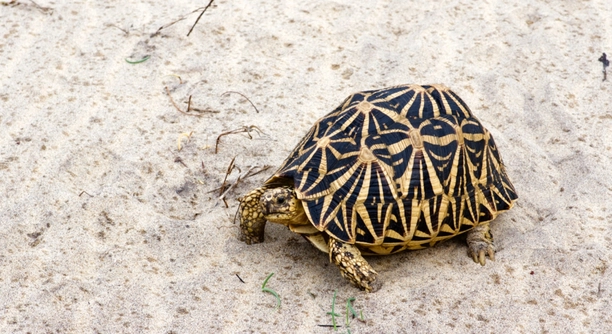
Indian Star Tortoises are known for their calm and gentle nature, but sometimes they avoid their food bowls, leaving owners wondering what might be the cause. Understanding why this happens can help improve your tortoise’s eating habits.
One of the most common reasons your Indian Star Tortoise avoids its food bowl is stress or discomfort in its environment. This could include factors like changes in temperature, lighting, or enclosure placement, which can negatively impact your tortoise’s appetite.
There are several potential reasons behind this behavior, ranging from environmental stress to health concerns. Keep reading to learn what may be affecting your tortoise’s eating habits and how you can help them adjust.
Stress in the Environment
One of the main reasons your Indian Star Tortoise might be avoiding its food is stress caused by its environment. A stressed tortoise is less likely to eat or even approach its food bowl. This could happen if the temperature in the enclosure is too high or low. Tortoises are cold-blooded, meaning they rely on the ambient temperature to regulate their body heat. If the temperature isn’t right, they may not feel like eating. Additionally, improper lighting could affect their digestion. UVB light is essential for tortoises, and without it, they can become weak and unwilling to eat. Even something as simple as the placement of the enclosure can affect your tortoise’s comfort and food habits. If the area is too noisy, too dark, or in constant motion, it can create a stressful environment that makes your tortoise hesitant to eat.
Sometimes, the environment can change without you realizing it, like a shift in the daily routine or changes in temperature from season to season. Pay attention to these small details.
If your tortoise is avoiding food, take a moment to assess its living space. Make sure the temperature is stable and the lighting is adequate. Stress-free surroundings will likely encourage your tortoise to return to its normal eating habits.
Health Issues
If your tortoise is not eating, it may be due to an underlying health issue. Common health problems such as infections, parasites, or mouth rot can make your tortoise less inclined to eat. These conditions can cause discomfort, making food seem unappealing. Even if your tortoise shows no obvious signs of illness, a lack of appetite could still signal that something is wrong internally. You should always be aware of subtle symptoms, like changes in behavior, slow movement, or unusual lethargy.
It’s crucial to monitor your tortoise for any signs of health issues, as these can worsen over time. A veterinarian specializing in reptiles can provide a proper diagnosis and treatment plan.
A checkup from a vet is highly recommended if you suspect health issues. With the right care, most health concerns can be resolved, and your tortoise will likely start eating again. Always prioritize your pet’s well-being to ensure they live a long, healthy life.
Improper Diet
Another reason your tortoise may be avoiding food is an improper diet. These tortoises are herbivores and need a diet that’s high in fiber and low in protein. If the food offered is too rich in nutrients or not the right type, your tortoise might not find it appealing. Overfeeding on certain fruits or vegetables can also make your tortoise picky. Stick to a balanced variety of leafy greens like dandelion greens, collard greens, and clover. Ensure that the food is clean, fresh, and free of pesticides. Tortoises can also develop food preferences, and if they get used to one type of food, they may refuse to try something new. Offering food in a consistent manner, like placing it in the same spot each day, helps them build a routine.
Sometimes, it might take a little patience to encourage your tortoise to try different types of food. It’s a good idea to introduce new foods gradually. Observe what your tortoise likes and dislikes to create a diet they enjoy.
Always aim to feed your tortoise a variety of safe, healthy foods to maintain their well-being. Keeping their diet interesting while sticking to the essentials can help your tortoise enjoy mealtime again.
Overfeeding or Underfeeding
Overfeeding or underfeeding can both lead to your tortoise avoiding its food. If your tortoise is overfed, it may not feel the need to eat at the next feeding time. Likewise, underfeeding can cause it to feel weak, which may make it less interested in food.
When a tortoise is overfed, it’s important to adjust its portions to avoid over-saturation. Tortoises need regular but controlled portions of food. If they’re underfed, they might not have enough energy to eat properly. Overfeeding or underfeeding can disrupt your tortoise’s eating habits and overall health, making portion control essential.
A proper feeding schedule with the right amount of food will keep your tortoise healthy. It’s crucial to strike a balance, ensuring that your pet is neither hungry nor too full. Monitor how much food your tortoise is eating and adjust accordingly to maintain its ideal weight.
Tortoise’s Age or Size
The age and size of your tortoise can affect its eating habits. Young tortoises need more food and variety to grow, while older tortoises may have a slower metabolism and require less food. As they mature, their dietary preferences can also change.
Older tortoises might prefer a more consistent and simpler diet compared to their younger counterparts. When they’re young, they are more active and will require larger portions to fuel their growth. As they age, their energy needs decrease, and they may eat less, but this is normal as long as they maintain a healthy weight.
Age also affects the rate at which tortoises digest their food. For older tortoises, providing a diet rich in fiber can help them maintain proper digestion, which will ensure they continue to eat and digest efficiently.
Incorrect Food Bowl Placement
If the food bowl is placed in a spot where your tortoise doesn’t feel comfortable, it might avoid it. Tortoises prefer quiet, calm areas to eat. If the bowl is in a high-traffic spot or under direct light, this could cause stress.
Moving the bowl to a quieter, darker corner may help your tortoise feel more at ease. Tortoises often need a secure and private space for eating. A more peaceful location can encourage them to approach the bowl and eat. Consider placing the food bowl where your tortoise spends most of its time.
Environmental Changes
A sudden change in your tortoise’s environment can lead to a loss of appetite. New decorations, rearranging the enclosure, or moving the habitat can all cause stress. Tortoises like routine and stability, and changes can affect their comfort.
It’s important to avoid drastic changes. If you must adjust the environment, do so gradually. Small, less intrusive changes will help your tortoise adjust without causing too much stress. Stability in the enclosure will help create a more relaxed atmosphere, encouraging your tortoise to eat as it normally would.
Seasonal Changes
Tortoises are sensitive to the seasons and temperature fluctuations. As the seasons change, they may slow down and eat less. This behavior is often a natural response to colder weather, as their metabolism decreases. You might notice a reduction in appetite during the cooler months.
It’s essential to maintain a proper temperature in the enclosure to minimize this natural slowdown. In colder months, make sure the basking spot is warm enough. Keeping the environment consistent can prevent your tortoise from feeling sluggish and ensure they continue to eat regularly.
FAQ
Why isn’t my tortoise eating after being moved to a new enclosure?
When you move your tortoise to a new enclosure, it can feel disoriented and stressed. Tortoises are creatures of habit and dislike changes in their environment. This can make them refuse food until they feel comfortable again. Ensure that the temperature, lighting, and humidity are appropriate in the new setup to reduce stress. Give your tortoise some time to adjust, and try offering food once it seems settled.
How can I tell if my tortoise is sick or just not hungry?
If your tortoise isn’t eating, it’s important to watch for other signs of illness. Look for lethargy, runny eyes, or a dull shell, which could indicate health issues. If it refuses food for an extended period or shows other unusual symptoms, it’s time to consult a vet. Healthy tortoises will usually show interest in food unless there’s an underlying problem.
Can temperature affect my tortoise’s eating habits?
Yes, temperature plays a big role in your tortoise’s appetite. If the temperature is too cold, your tortoise may feel sluggish and less likely to eat. On the other hand, if it’s too hot, it could also make your tortoise uncomfortable. Ensure that your tortoise has a basking area with a consistent, warm temperature and a cooler area where it can retreat when necessary.
What is the best food for an Indian Star Tortoise?
Indian Star Tortoises require a diet high in fiber and low in protein. Leafy greens like dandelion greens, collard greens, and clover are ideal. You can also offer safe plants like hibiscus flowers and cactus pads. Avoid fruits and high-protein foods, which can lead to obesity and other health problems.
Why is my tortoise eating but still losing weight?
If your tortoise is eating but losing weight, this could be a sign of an underlying health issue such as parasites, infections, or metabolic disorders. Poor digestion, even with a normal diet, could also be a factor. It’s important to take your tortoise to a vet to check for any internal health concerns.
How often should I feed my tortoise?
A young tortoise should be fed daily, while an older tortoise may need food every other day. You should offer food once a day, in the amount your tortoise can eat within an hour. Keep in mind that the frequency and portion size should be adjusted based on your tortoise’s age, size, and activity level.
Can stress cause my tortoise to stop eating?
Yes, stress can definitely impact your tortoise’s appetite. Changes in their environment, handling them too often, or introducing new animals can all cause stress. Tortoises thrive in calm, stable environments. If your tortoise is stressed, it’s important to eliminate the source of the stress and give it time to feel secure again.
Should I worry if my tortoise isn’t eating for a day or two?
If your tortoise isn’t eating for a day or two but appears active and healthy otherwise, it may just be a temporary issue. It’s not unusual for tortoises to skip a meal occasionally. However, if the lack of appetite lasts longer, it’s worth investigating environmental factors or potential health problems.
Can I give my tortoise treats like fruit?
Tortoises can have fruits as treats, but they should be given sparingly. Fruits are high in sugar and can upset their digestive system if fed in large amounts. It’s best to offer fruits like apples or strawberries only once or twice a week. The main part of their diet should consist of leafy greens and fibrous plants.
What are the signs of overfeeding in tortoises?
Overfeeding can lead to obesity and digestive problems. Signs include your tortoise becoming sluggish, gaining excessive weight, or having difficulty moving around. Overfed tortoises might also refuse food as their body adjusts to the excess. Monitoring food portions is important to maintain a healthy weight and prevent these issues.
Does the type of substrate in my tortoise’s enclosure affect eating habits?
Yes, the substrate in the enclosure can play a role in your tortoise’s comfort. If the substrate is too rough, it might irritate your tortoise or make it hesitant to eat. You should use a soft, safe substrate like coconut coir, which is easy on their feet and helps them feel more at ease when eating.
In conclusion, if your Indian Star Tortoise is avoiding its food bowl, there are several factors to consider. The environment plays a key role in your tortoise’s comfort and eating habits. Stress caused by temperature fluctuations, incorrect lighting, or even the placement of the food bowl can all contribute to a lack of appetite. Tortoises need a stable, calm environment to thrive, and small changes to their habitat can make a big difference in their eating patterns. It’s important to make sure their living space is comfortable and stress-free to help them feel at ease when approaching food.
Health issues are another common reason why a tortoise might avoid its food. Like any pet, a tortoise can experience illness or discomfort, which could make it unwilling to eat. Infections, parasites, and even dental problems can cause a loss of appetite. If your tortoise shows other signs of illness, such as lethargy or unusual behavior, it’s crucial to seek veterinary care. A professional can help diagnose and treat any underlying health issues, ensuring your tortoise remains healthy and happy. Regular checkups and attention to any changes in behavior will help you catch potential problems early.
Lastly, diet and feeding habits play an important part in your tortoise’s eating routine. Offering the right types of food, in the right amounts, and at consistent times helps ensure your tortoise gets the nutrients it needs. Avoid overfeeding, as it can lead to obesity, and underfeeding, which can cause weakness. A balanced diet that includes high-fiber plants and greens will keep your tortoise healthy and encourage it to eat regularly. By paying attention to these factors, you can help your Indian Star Tortoise maintain a healthy appetite and live a long, happy life.

Hello,
If you enjoy the content that we create, please consider saying a "Thank You!" by leaving a tip.
Every little bit helps us continue crafting quality advice that supports the health, happiness, and well-being of pets around the world, for pets of all shapes, sizes, and species.
We really appreciate the kindness and support that you show us!