
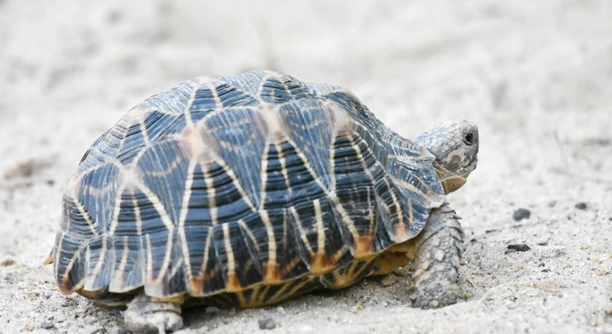
When caring for Indian Star Tortoise hatchlings, choosing the right substrate is essential for their health and well-being. The surface they walk on affects their behavior, digestion, and overall comfort.
The ideal substrate for Indian Star Tortoise hatchlings should mimic their natural environment, offering a balance of moisture, texture, and easy maintenance. Sand, soil, and coconut fiber are popular choices for creating a safe and healthy habitat.
By understanding the right materials to use, you can ensure a happy and thriving tortoise. Let’s explore the best substrate options to keep your hatchlings comfortable and healthy.
Coconut Fiber Substrate
Coconut fiber is one of the best substrates for Indian Star Tortoise hatchlings. It provides a natural, soft surface that is safe and comfortable for your hatchlings to move on. Coconut fiber holds moisture well, preventing the substrate from becoming too dry. This is particularly important as tortoises often require slightly higher humidity levels to stay healthy. Additionally, coconut fiber is easy to clean and helps control odors, making it a practical choice for tortoise owners.
When purchasing coconut fiber, choose a high-quality product free from chemicals or additives. Many commercial coconut fiber products are already pre-moistened, so you can use them right away. A thick layer of coconut fiber will provide your hatchlings with ample space to burrow and explore. It’s also a more eco-friendly option compared to other substrates, as coconut fiber is biodegradable.
Regularly check the moisture levels of the coconut fiber. If it starts to dry out, simply mist it lightly with water. Keeping the substrate moist but not soggy will maintain the humidity levels your tortoises need.
Soil-Based Substrate
Soil-based substrates are another excellent option for Indian Star Tortoise hatchlings.
They mimic the natural ground in the wild, allowing your tortoises to feel right at home. Soil retains moisture, which is crucial for maintaining the necessary humidity for hatchlings to thrive. The substrate can be mixed with sand to enhance drainage and prevent it from becoming too compact.
To create a suitable soil-based environment, use organic, chemical-free soil without fertilizers or pesticides. Mixing the soil with sand creates a balance of moisture retention and good airflow. The tortoises can dig and move around easily, satisfying their natural behaviors. This combination also helps maintain humidity levels that support shell health. Avoid using garden soil with additives, as these may harm your hatchlings.
With regular maintenance and moisture management, a soil-based substrate can provide a natural, safe, and healthy environment for your Indian Star Tortoise hatchlings.
Sand Substrate
Sand is a commonly used substrate for Indian Star Tortoise hatchlings. It mimics the natural environment of desert habitats, where these tortoises are often found. However, it’s important to use the right type of sand to avoid health issues.
Using fine, play sand works best as it provides a soft texture for your hatchlings to walk on. Coarse sand or sand with sharp edges could cause injury to their sensitive feet. While sand is great for allowing the tortoises to dig, it must be kept dry, as excess moisture can cause bacteria growth. To maintain the right conditions, you should mix sand with other substrates, like coconut fiber, for better moisture balance.
Be careful not to overdo it with sand. Too much can lead to impaction, where the tortoise accidentally swallows it, which can cause serious digestive issues. A thin layer of sand, around 2-3 inches, is ideal, combined with other substrates to balance texture and moisture levels.
Grass Mats
Grass mats are a unique option for Indian Star Tortoise hatchlings.
They provide a natural feel while being easy to clean. Grass mats also allow tortoises to move around without slipping, which is beneficial for their overall mobility. Though they might not provide the same digging potential as other substrates, they can be a good base for your hatchlings’ habitat.
However, it’s essential to monitor the humidity levels when using grass mats. Without proper moisture, they may dry out quickly, reducing their effectiveness in maintaining the right humidity. In this case, misting the mats lightly or placing them over a layer of coconut fiber or soil can help. Grass mats are especially useful in combination with other substrates, ensuring that moisture and temperature levels remain balanced.
When using grass mats, be sure to clean them regularly, as they can accumulate debris. Regularly replacing or washing the mats will also ensure that your tortoises are living in a hygienic environment.
Reptile Carpet
Reptile carpets are another popular substrate for Indian Star Tortoise hatchlings. They are soft and provide a stable surface for tortoises to walk on. These carpets are easy to clean and reusable, making them a practical choice for many tortoise keepers.
However, reptile carpets don’t offer much in terms of humidity control, so they should be paired with other moisture-retaining substrates like coconut fiber or soil. The lack of moisture absorption can also make it difficult to maintain proper humidity, which is vital for hatchlings. Regular cleaning is needed to keep it free of waste, ensuring a hygienic habitat for your tortoises.
Turf Mats
Turf mats provide a textured surface that helps mimic a natural environment.
They are durable, washable, and prevent your tortoises from slipping. Turf mats are a good option for hatchlings that may be active and move around frequently. Like reptile carpets, turf mats don’t retain moisture well, so combining them with a more absorbent substrate is a good idea.
Newspaper or Paper Towels
Using newspaper or paper towels is a low-cost and easy-to-maintain option for hatchlings.
They are safe, disposable, and help keep your tortoises’ habitat clean. However, they don’t allow for much digging or humidity control, which is a disadvantage.
FAQ
What is the best substrate for Indian Star Tortoise hatchlings?
The best substrate for Indian Star Tortoise hatchlings combines moisture retention, softness, and ease of cleaning. Coconut fiber and soil-based substrates are excellent options. They offer a comfortable surface for your hatchlings to move around, while also helping maintain the necessary humidity levels. Adding sand to the mix can improve drainage, but be careful not to use too much. A balance of these materials ensures that your hatchlings have a healthy, safe environment.
How often should I change the substrate for my hatchlings?
It’s important to change the substrate regularly to keep the environment clean and free from bacteria. For coconut fiber and soil-based substrates, you should replace them every 2-3 months, depending on how much waste accumulates. For sand, a light cleaning every few weeks is sufficient, but always monitor the moisture levels. If you use grass mats or reptile carpets, these should be washed or replaced weekly to ensure they remain hygienic.
Can I mix substrates?
Yes, mixing substrates is a great way to create a more balanced environment. Combining coconut fiber with sand or soil allows you to provide moisture retention and drainage. This mix supports both humidity and comfort. For example, a 70% coconut fiber and 30% sand blend can work well for your hatchlings, as it offers the best of both worlds. Just ensure that the mixture does not become too compact, as it could affect the tortoise’s ability to burrow.
Can I use sand alone for my hatchlings?
Using sand alone is not ideal for Indian Star Tortoise hatchlings. While sand mimics their natural desert habitat, it doesn’t retain moisture well, which is necessary for their health. Hatchlings need higher humidity to support proper shell development. A thin layer of sand can be used, but it should be mixed with other substrates, like coconut fiber or soil, to balance moisture and texture. Always monitor humidity levels when using sand to avoid it becoming too dry or causing impaction if swallowed.
Do I need to provide a humidity source for my hatchlings?
Yes, Indian Star Tortoise hatchlings require higher humidity to thrive, particularly during their early stages of life. You can maintain the right humidity levels by misting the substrate or placing a shallow water dish in the enclosure. Some substrates, like coconut fiber and soil-based mixes, naturally help retain moisture. A humidity range of 50%-70% is ideal for hatchlings. Keep an eye on the humidity with a hygrometer to ensure the environment is comfortable for your tortoises.
Can I use wood chips or mulch for my hatchlings?
Wood chips or mulch are not ideal for Indian Star Tortoise hatchlings. They can be difficult to clean and might cause respiratory issues if the dust is inhaled. Additionally, they don’t retain moisture well, which can lead to humidity issues. If you do choose to use wood products, make sure they are free from chemicals or pesticides and are finely shredded. However, it’s better to stick to substrates like coconut fiber, soil, or grass mats that are safer and easier to manage.
How deep should the substrate be?
The substrate should be deep enough to allow your hatchlings to burrow and explore naturally. A depth of about 2-3 inches for a sand-based substrate is ideal, while for coconut fiber or soil mixes, a depth of 3-4 inches is preferable. This depth allows your hatchlings to dig and engage in natural behaviors. Make sure to avoid excessive depth, as it can make it difficult for hatchlings to find food or navigate their environment.
Can I use newspaper or paper towels as a substrate?
While newspaper or paper towels are easy to clean and inexpensive, they are not the best substrate for Indian Star Tortoise hatchlings. These materials don’t offer any moisture retention or support for natural digging behavior. They also lack the ability to maintain proper humidity. If you need a temporary substrate, newspaper or paper towels can work, but it’s important to switch to a more natural substrate, like coconut fiber or soil, for the long-term health of your hatchlings.
How do I maintain proper humidity with the substrate?
Maintaining proper humidity is essential for Indian Star Tortoise hatchlings. Substrates like coconut fiber and soil are naturally more humid and help to keep the environment moist. You can also mist the substrate with water regularly to prevent it from drying out. If the humidity levels are too low, a shallow water dish or a humidity box can be added. Always monitor the levels with a hygrometer to ensure that they stay between 50%-70%. Avoid letting the substrate get too wet, as excessive moisture can lead to mold growth or respiratory issues.
Is it safe to use calcium sand for my hatchlings?
Calcium sand is not recommended for Indian Star Tortoise hatchlings. While it might seem like a good idea to add extra calcium to your tortoise’s diet, calcium sand can cause serious health problems. If ingested, it can lead to impaction or digestive blockages. Instead, provide a separate calcium supplement like cuttlebone or calcium powder sprinkled over their food. It’s better to stick to natural, safe substrates like coconut fiber and soil mixes.
Choosing the right substrate for your Indian Star Tortoise hatchlings is crucial for their health and comfort. The substrate plays a significant role in regulating humidity, allowing for natural behaviors like burrowing, and keeping the habitat clean. There are several options to consider, from coconut fiber and soil to sand and grass mats. Each has its benefits, but it’s important to select the one that fits your tortoise’s needs and your care routine. Combining different substrates can often be the best solution, providing moisture retention, comfort, and ease of maintenance.
While coconut fiber and soil-based substrates are popular for their ability to retain moisture and create a comfortable surface for your hatchlings, sand and other options like grass mats can also be useful. Sand should be used with caution, especially if it is the only substrate. It doesn’t retain moisture well and can cause digestive issues if ingested. Grass mats offer a non-slippery surface for movement but don’t provide much humidity control. Whatever substrate you choose, ensure it mimics the natural environment of the tortoise and supports its needs for a healthy and thriving life.
Finally, don’t forget that substrate alone won’t guarantee your hatchlings’ well-being. Regular cleaning, monitoring humidity, and adjusting the habitat’s temperature are just as important. Keep the enclosure free of waste, and be sure to replace or clean the substrate as needed. By combining the right substrate with proper care, you will provide an environment where your Indian Star Tortoise hatchlings can grow, explore, and stay healthy for years to come.

Hello,
If you enjoy the content that we create, please consider saying a "Thank You!" by leaving a tip.
Every little bit helps us continue crafting quality advice that supports the health, happiness, and well-being of pets around the world, for pets of all shapes, sizes, and species.
We really appreciate the kindness and support that you show us!